


A Living Tribute
Blog
Recent Posts
-
 Read More
A New Chapter in Forest Restoration
Every year, thousands of supporters help restore forests across North America by dedicating memorial and celebration trees. This year marks another exciting milestone.
We're proud to announce new Evertrack™ planting sites for the 2026–2027 planting season, expanding restoration efforts into forests recovering from wildfire, storms, habitat loss, and decades of environmental change.
Unlike traditional honorary tree planting programs, every Evertrack tree includes access to its planting location through interactive Google Earth maps, allowing supporters to see where their trees are growing.
Why These New Sites Matter
Each Evertrack project is selected because it provides meaningful conservation benefits, including:
- Native forest restoration
- Wildlife habitat improvement
- Watershed protection
- Carbon storage
- Biodiversity enhancement
- Long-term forest resilience
Once a treeplanting site reaches capacity, future trees move to the next restoration project or an adjacent restoration block.
For supporters hoping to become part of one of these inaugural forests, now is the opportunity.
2026–2027 Evertrack Planting Projects
Georgia
Glennville, Georgia
Google Earth Map:
https://www.google.com/maps/d/u/2/edit?mid=1E3ptLWwzOIUGZSfiqiz41u4avaEERm8With the successful completion of this past January's Oak Park project, tree planting efforts are expanding east toward Georgia's coastal forests near Glennville.
Native trees planted here will help restore forest habitat surrounding Savannah, Georgia and the Wassaw National Wildlife Refuge, strengthening wildlife corridors while protecting watersheds flowing toward Georgia's coast.

California
Stanislaus National Forest
Google Earth Map:
https://www.google.com/maps/d/u/2/edit?mid=13HemdQd5vVvcPLsjAz3clYh3bVkEpNkBuilding on the success of the original Groveland project near the entrancce to Yosemite, new restoration sites now extend deeper into the Rim Fire burn scar and surrounding landscapes near New Melones Lake.
Visitors can explore several scenic viewpoints near the planting areas, including Buck Meadows, Pine Mountain Lake, Vista Rim of the World, and overlooks across the Rim Fire restoration zone.

South Carolina
Sumter National Forest
Google Earth Map:
https://www.google.com/maps/d/u/2/edit?mid=1cfhv_y0MgOkGeOoNBDmeToYUD6ywrxsSouth Carolina restoration efforts are expanding directly adjacent to the original lobolly pine plantation (planted in January 2026) near Callison.
This allows returning supporters such as A Living Tribute to continue growing the same forest they helped establish while restoring native loblolly pine habitat.

Alabama
Cahaba River Region
Google Earth Map:
https://www.google.com/maps/d/u/2/edit?mid=1xHONIU78YnmXH-QbQRTnVBqty0C4rvELocated near West Blocton, these new plantings continue restoration efforts surrounding the Cahaba River National Wildlife Refuge.
The Cahaba River supports one of the richest freshwater ecosystems in North America, making forest restoration especially valuable for protecting water quality and wildlife.

Mississippi
Tombigbee National Forest
Google Earth Map:
https://www.google.com/maps/d/u/2/edit?mid=1ZUeKA-Yynkuzf73sQlKkOVB43O91r1MNew plantations continue restoration within the Wilder Branch and Nails Creek area near Shuqualak.
These new sites sit adjacent to the previous groves, allowing returning supporters to expand their existing forests while restoring native longleaf and loblolly ecosystems.

Michigan
Crawford County Red Pine Restoration
Google Earth Map:
https://www.google.com/maps/d/u/2/edit?mid=1A6TARvz7JZ9Fx5CnxgP4o1qbXY5St7YOur Michigan program continues expanding northward through Crawford County near Higgins Lake, Hartwick Pines State Park, and the Au Sable River.
Native red pine plantations will help restore one of Michigan's iconic forest ecosystems.


Oregon
Fremont-Winema National Forest
Google Earth Map:
https://www.google.com/maps/d/u/2/edit?mid=1nZb_Fysh-m9geufyIy3hQ3NbB59KC9AThe Bootleg Fire restoration continues into its second year.
New planting sites expand beyond the 2025 plantation east of Summer Lake, restoring additional acreage throughout the Klamath Basin.

Florida
Withlacoochee State Forest
Google Earth Map:
https://www.google.com/maps/d/u/2/edit?mid=16ByYvfrRJ5NtfKp6f819icZpbSkqXXsAdditional planting plots have been added within Florida's Withlacoochee State Forest.
Native longleaf pine will continue restoring one of the Southeast's most threatened ecosystems while supporting habitat for countless native plant and animal species.

Visit Your Trees
One of the most unique features of the new Evertrack program is the ability to explore every planting site online through interactive Google Earth maps.
Whether you're planning a road trip through California's Sierra Nevada, Michigan's Northwoods, Florida's Nature Coast, or the forests of the Southeast, you can see exactly where your contribution is helping rebuild America's forests.
Reserve Your Place in These New Forests
Because each planting site has a finite capacity, these new forests will only remain available until their designated acreage has been filled.
As each site fills, planting efforts move to new restoration locations. Reserving your trees now means becoming one of the first supporters helping establish these new forests from the very beginning.
Whether you're honoring a loved one, celebrating a milestone, or simply giving back to nature, your gift will leave a living legacy that continues growing for generations.
This blog article will be updated throughout 2026 and 2027 as new planting sites are added/confirmed or completed.
Planting maps and aerial imagery are powered by Veritree Technology, Inc., providing supporters with a unique view of the forests they're helping restore.
2026–2027 Evertrack Reforestation Projects
-
 Read More
Bringing Mississippi's Forests Back to Life
Mississippi's forests have long shaped the state's economy, culture, and natural heritage. Stretching across landscapes influenced by the Mississippi River and its many tributaries, these forests provide critical wildlife habitat, support thousands of jobs, protect watersheds, and help store carbon for future generations.
In recent years, however, increasingly destructive wildfires have placed growing pressure on these valuable forest ecosystems. As wildfire activity intensifies, large areas of forest require active restoration to recover and continue providing the benefits that local communities and wildlife depend upon. In the Tombigbee National Forest region of eastern Mississippi, wildfire damage has left working forests in need of restoration.
Today, reforestation efforts in Noxubee County, Mississippi are helping restore lands impacted by wildfire through the planting of native loblolly pine. By combining active forest management with ecological restoration, this project is rebuilding forest cover, supporting wildlife habitat, and strengthening the resilience of Mississippi's working forests.
A Forest Landscape Shaped by Fire and Recovery
Mississippi is home to one of the most productive forestry sectors in the United States, with forest-related industries supporting more than five percent of the state's workforce. Healthy forests provide timber, wildlife habitat, recreation opportunities, clean water, and countless environmental benefits.
While these forests remain a cornerstone of Mississippi's economy, they also face increasing threats from severe weather, drought, invasive pests, and wildfire. In recent years, wildfire activity across the Southeast has become more destructive, leaving behind damaged landscapes that require active management and restoration.
Following a wildfire, forestry professionals often conduct salvage logging operations to remove dead, dying, and heavily damaged trees. This process serves several important purposes:
- Recovering economic value from affected timber
- Reducing future wildfire fuel loads
- Improving site conditions for reforestation
- Supporting the long-term health of surrounding forests
Once these activities are completed, restoration crews begin the important work of re-establishing native forest cover.
Re-establishing Native Loblolly Pine
At the heart of this restoration effort is the planting of loblolly pine, one of the most important native tree species throughout the southeastern United States.
Loblolly pine grows quickly, adapts well to a wide variety of site conditions, and provides valuable habitat for numerous wildlife species. It also plays a critical role in stabilizing soils, improving water quality, and capturing atmospheric carbon as forests mature.
By re-establishing loblolly pine across wildfire-affected landscapes in Noxubee County, this project helps restore the structure and function of forests that support both local communities and regional biodiversity.
Over time, these newly planted forests will develop into thriving ecosystems that provide environmental, economic, and recreational benefits for decades to come.
Supporting Wildlife and Biodiversity
Healthy forests provide habitat for countless species of birds, mammals, reptiles, amphibians, and pollinators.
When wildfire damages large areas of forest cover, wildlife can lose critical nesting sites, food sources, and shelter. Reforestation helps reconnect fragmented habitats and accelerates the return of healthy ecological conditions.
As these new forests mature, they will once again provide habitat for many of Mississippi's native wildlife species while strengthening the biodiversity that makes southern forests among the most productive ecosystems in North America.
Restoration activities also improve habitat quality by creating healthier forest conditions that are better able to withstand future environmental pressures.
Building Resilience Through Active Forest Management
One of the most important aspects of this project is its integration of restoration with active forest management.
Working forests provide renewable resources while also delivering significant environmental benefits. Through sustainable forestry practices, damaged landscapes can be restored in ways that support wildlife, reduce future fire risk, improve ecosystem resilience, and maintain long-term forest productivity.
This approach demonstrates how carefully managed forests can contribute meaningfully to broader conservation goals while continuing to support local economies and communities.
Climate and Watershed Benefits
The benefits of reforestation extend far beyond the planting site itself.
As young loblolly pines grow, they absorb carbon dioxide from the atmosphere and store it within their wood, roots, and surrounding soils. These forests also help regulate water movement across the landscape, reduce erosion, and improve watershed health throughout the Mississippi River basin.
Key benefits of this project include:
- Carbon sequestration
- Wildlife habitat restoration
- Reduced erosion
- Improved watershed protection
- Reduced future wildfire risk
- Increased forest resilience
- Enhanced biodiversity
- Sustainable forest productivity
Together, these outcomes contribute to healthier forests and stronger communities throughout Mississippi.
Restoring Mississippi's Working Forests
The forests of Mississippi have always been a vital part of the state's identity. Through strategic reforestation efforts like this one in Noxubee County, damaged landscapes are being transformed into healthy, productive forests once again.
Every seedling planted helps restore habitat, strengthen ecosystem resilience, and ensure that Mississippi's forests continue providing benefits for generations to come.
By combining ecological restoration with sustainable forest management, this project demonstrates how reforestation can support both environmental recovery and long-term community well-being.
Explore the Restoration Area
Current planting efforts are taking place in Noxubee County, Mississippi, where wildfire-affected lands are being replanted with native loblolly pine to restore forest cover and wildlife habitat.
View the planting areas on Google Maps:
- Planting Site 1: https://maps.google.com/?q=32.942783,-88.702735
- Planting Site 2: https://maps.google.com/?q=32.949945,-88.715200
These mapped planting areas represent active restoration sites where reforestation is helping recover forest landscapes impacted by wildfire while supporting habitat, carbon sequestration, and long-term forest resilience.
Plant a Tree in Mississippi
Mississippi's forests provide wildlife habitat, protect watersheds, support local communities, and help capture carbon from the atmosphere. Reforestation projects like this one help ensure these forests remain healthy and resilient for future generations.
If you'd like to support reforestation efforts across Mississippi, consider dedicating a tree in honor of a loved one or celebrating a special occasion with a living gift that will grow for decades to come.
🌲 Support Mississippi Reforestation:
https://shop.alivingtribute.org/products/plant-a-tree-mississippiEvery tree planted helps restore habitat, strengthen forests, and create a healthier future for Mississippi's natural landscapes.
Restoring Mississippi's Forests: Replanting Native Pines After Wildfire in Noxubee County
-
 Read More
Restoring Alabama's Pine Forests: Replanting Native Trees in the Cahaba River Watershed
Bringing New Life to Alabama's Working Forests
Alabama's pine forests across the Bankhead and Talladega National Forests and surrounding private lands are central to wildlife habitat and the state's timber economy. Yet these forests face growing challenges from invasive pests, changing climate conditions, and increasing environmental stress.
Today, reforestation efforts in Bibb County, Alabama are helping restore native pine forests impacted by Southern Pine Beetle infestations. By planting thousands of native longleaf and loblolly pine seedlings, this project is rebuilding forest cover, improving wildlife habitat, and strengthening one of Alabama's most important forest ecosystems for future generations.
Located near the Cahaba River National Wildlife Refuge, these restoration efforts demonstrate how active forest management and ecological recovery can work hand in hand to create healthier, more resilient forests.

A Forest Under Pressure
Alabama's forests are among the most productive in the southeastern United States. The pine-dominated landscapes found throughout the region provide habitat for countless species while also supporting a significant timber economy.
One of the greatest threats facing these forests is the Southern Pine Beetle.
Although native to the southeastern United States, Southern Pine Beetle populations can periodically explode under favorable conditions. During severe outbreaks, beetles tunnel beneath the bark of pine trees, disrupting the flow of nutrients and ultimately killing large areas of forest.
Warmer winters have allowed beetle populations to remain active for longer periods throughout the year, increasing the frequency and severity of infestations. As a result, millions of pine trees across the Southeast have been lost to beetle activity.
When infestations occur, foresters often remove affected, dead, and dying trees through carefully managed harvesting operations. While this helps reduce future beetle spread and lowers wildfire risk, it leaves behind areas that require active restoration to return to healthy forest conditions.
Replanting Alabama's Native Pines
To restore these impacted landscapes, forestry professionals are planting a mix of native longleaf pine and loblolly pine throughout affected areas.
Loblolly pine is one of the most important tree species in the southeastern United States. Known for its rapid growth and adaptability, it provides valuable wildlife habitat while helping stabilize soils and capture atmospheric carbon.
Longleaf pine, once the dominant tree across much of the Southeast, supports one of North America's most biologically diverse forest ecosystems. Longleaf forests provide habitat for hundreds of plant and animal species and are renowned for their resilience to drought, fire, and changing environmental conditions.
Together, these native species help rebuild forest structure, increase biodiversity, and create more resilient ecosystems capable of withstanding future challenges.
View the Restoration Area
Current planting efforts are taking place in Bibb County, Alabama near the Cahaba River watershed, where native longleaf and loblolly pine seedlings are being planted to restore forest cover, improve wildlife habitat, and strengthen ecosystem resilience.
Project Coordinates: 33°06'47.5"N, 87°05'05.2"W
📍 Explore the planting area on Google Maps:
View Alabama Reforestation Site Map
These coordinates represent one of the active restoration areas where reforestation efforts are helping recover forests impacted by Southern Pine Beetle infestations while supporting biodiversity, carbon sequestration, and long-term forest health.
Supporting Wildlife Across Central Alabama
As these forests recover, they provide critical habitat for a wide variety of native wildlife species.
Among the animals that benefit from healthy pine forests in this region are:
-
Eastern Gray Squirrel
-
Eastern Fence Lizard
-
Alabama Map Turtle
-
Raccoon
These species rely on healthy forest ecosystems for food, shelter, nesting sites, and protection from predators. Reforestation helps reconnect fragmented habitats and creates healthier landscapes that support wildlife populations for decades to come.
The restoration of pine forests also benefits migratory birds, pollinators, reptiles, amphibians, and countless other species that depend upon Alabama's diverse forest ecosystems.

Protecting the Cahaba River Watershed
Current planting efforts are taking place near the Cahaba River National Wildlife Refuge, one of Alabama's most ecologically significant regions.
The Cahaba River is widely recognized for its extraordinary biodiversity and serves as an important freshwater resource for both wildlife and local communities. Healthy forests surrounding the watershed help improve water quality by reducing erosion, filtering runoff, and stabilizing streambanks.
As newly planted forests mature, they will continue providing valuable watershed protection while helping maintain the ecological integrity of the region.
Climate Benefits of Reforestation
In addition to supporting wildlife and watershed health, these restoration efforts contribute to long-term climate resilience.
Young forests actively absorb carbon dioxide from the atmosphere as they grow. Over time, these trees store carbon within their trunks, roots, and surrounding soils, helping reduce greenhouse gas concentrations while rebuilding healthy ecosystems.
By restoring forest cover on previously impacted lands, this project helps:
-
Sequester atmospheric carbon
-
Improve soil health
-
Reduce erosion
-
Lower wildfire risk
-
Increase ecosystem resilience
-
Support long-term forest productivity
These benefits extend well beyond the planting site, contributing to broader conservation and climate goals throughout the southeastern United States.

Restoring Working Forests for Future Generations
One of the most important aspects of this Alabama reforestation project is its integration of ecological restoration with sustainable forest management.
Working forests provide renewable resources, economic opportunities, wildlife habitat, and environmental benefits. Through careful management and replanting efforts, landscapes impacted by pests and disturbance can continue supporting both local communities and healthy ecosystems.
By restoring native pine forests throughout Bibb County and the surrounding region, this project demonstrates how active forestry practices can play a meaningful role in ecosystem recovery, biodiversity conservation, and climate action.
Plant a Tree in Alabama
Alabama's forests are constantly evolving in response to pests, wildfires, storms, and changing environmental conditions. Reforestation projects like this one help restore wildlife habitat, improve forest health, reduce wildfire risk, and ensure future generations can enjoy the benefits of healthy, thriving woodlands.
If you'd like to support reforestation efforts across Alabama, you can dedicate a tree in honor of a loved one, celebrate a special occasion, or simply help restore America's forests one seedling at a time.
🌲 Support Alabama Reforestation:
https://shop.alivingtribute.org/products/plant-a-tree-alabamaEvery tree planted helps rebuild habitat, capture carbon, protect watersheds, and contribute to a healthier future for Alabama's forests.
Restoring Alabama's Pine Forests: Replanting Native Trees in the Cahaba River Watershed
-
-
 Read More
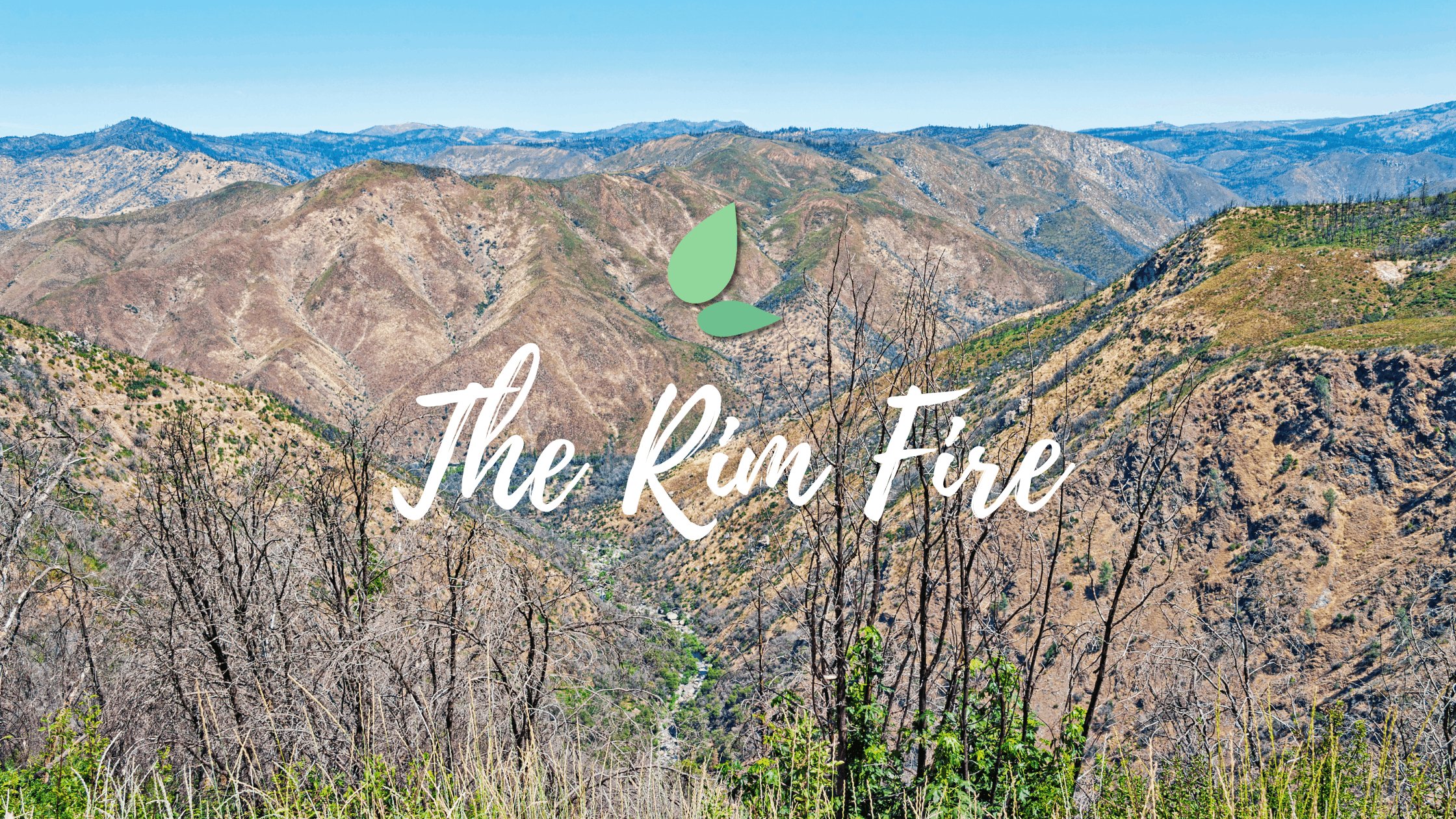
Planting Hope in the Forests Near Yosemite
Help Rebuild the Stanislaus National Forest After the Devastating Rim Fire
Just beyond the western gateway to Yosemite National Park, a new forest is beginning to emerge.
The mountains, forests, and watersheds that surround Yosemite are among the most beloved landscapes in North America, drawing millions of visitors each year to experience the beauty of California's Sierra Nevada. Yet many travelers are unaware that just outside the park's boundaries lies a landscape still recovering from one of the largest wildfires in California history.
In 2013, the Rim Fire burned more than 257,000 acres across the Stanislaus National Forest and surrounding Sierra Nevada, transforming vast stretches of native forest into a patchwork of charred trees and shrub-covered hillsides. More than a decade later, restoration efforts are helping this landscape recover.
Today, native conifers are being planted near Groveland, California, to restore wildlife habitat, improve water quality, capture carbon, and rebuild the diverse forest ecosystem that once thrived here. What was once a symbol of devastation is steadily becoming a story of renewal, resilience, and hope—one seedling at a time.
For those who love Yosemite and the Sierra Nevada, this project offers a unique opportunity to help restore the forests that define this extraordinary region and ensure they continue to thrive for generations to come.

The Rim Fire: One of California's Most Destructive Wildfires
In August 2013, an illegal campfire ignited what would become one of the largest wildfires in California history.
Known as the Rim Fire, the blaze burned more than 257,000 acres across the Sierra Nevada, including vast portions of the Stanislaus National Forest. Fueled by drought, heavy fuel loads, and extreme fire conditions, the fire spread rapidly across mountains, valleys, watersheds, and wildlife habitat.
While fire is a natural part of many western forest ecosystems, portions of the Rim Fire burned with unusual intensity.
In many locations, native conifer forests were so heavily damaged that natural regeneration became difficult. Instead of young trees returning to the landscape, dense shrub fields began to dominate large portions of the burn area.
Without active restoration, these areas can remain trapped in a cycle of brush growth and recurring wildfire for decades.
That's where reforestation becomes essential.
Restoring a Forest That Once Defined the Sierra Nevada
The Stanislaus National Forest is a mixed-conifer landscape where ponderosa pine, Douglas fir, incense cedar, and other native tree species have long shaped the forest alongside periodic fire.
Today, a multi-year restoration effort is underway to restore native forest cover across the Rim Fire burn area.
The goal is not simply to plant trees. It is to rebuild a functioning ecosystem.
As native seedlings become established, they will help:
-
Restore wildlife habitat for birds, mammals, pollinators, and countless other species.
-
Improve water quality by stabilizing soils and reducing erosion.
-
Enhance biodiversity throughout the forest.
-
Capture and store carbon in growing trees and forest soils.
-
Reduce future wildfire risks by helping establish healthier forest conditions.
-
Promote more natural and resilient fire cycles.
-
Prevent shrub-dominated landscapes from replacing native forests.
Every tree planted helps move the forest one step closer to recovery.
Why Post-Wildfire Reforestation Matters More Than Ever
Across the American West, wildfires are becoming larger, more frequent, and more destructive.
Longer fire seasons, drought, rising temperatures, and changing climate conditions are placing enormous pressure on forests that once recovered more easily from wildfire.
Post-fire restoration plays a critical role in helping forests recover.
Reforestation helps prevent soil erosion, protect watersheds, restore wildlife habitat, support biodiversity, and improve resilience to future disturbances. It also supports local economies through forestry and restoration work while ensuring that future generations inherit healthy, functioning forests rather than degraded landscapes.
Planting a tree may seem like a small act, but when thousands of people come together, those seedlings become forests.

A Perfect Tree Planting Project for Yosemite Lovers
For many supporters, the most exciting part of this project is its location.
The Groveland restoration area sits just outside Yosemite National Park and within the same breathtaking Sierra Nevada landscape that has inspired millions of visitors from around the world.
If you've ever stood beneath Yosemite's towering pines, gazed up at granite cliffs, hiked through mountain forests, or watched sunlight filter through the trees, you understand why protecting this region matters. This makes the Rim Fire Restoration Project one of the most meaningful ways for Yosemite enthusiasts to give back.
By planting trees near Yosemite, you're helping restore the broader Sierra Nevada ecosystem that surrounds and supports the park. The forests, wildlife corridors, watersheds, and mountain landscapes extend far beyond Yosemite's boundaries, and their health is critical to the entire region.
For those who love Yosemite, this project offers a unique opportunity to leave a living legacy in the landscape that makes Yosemite possible.
Explore the Restoration Areas
One of the most exciting aspects of this project is that supporters can view the restoration areas themselves on Google Earth.
The 2025 replanting location is situated near the western entrance to Yosemite and within the Stanislaus National Forest landscape affected by the Rim Fire.
37.772864, -119.878706
Explore the area:
Google Maps:
https://www.google.com/maps/search/?api=1&query=37.772864,-119.878706Google Earth:
https://earth.google.com/web/search/37.772864,-119.878706Viewing the landscape helps bring the project to life and provides a deeper appreciation for the scale of restoration taking place throughout the Sierra Nevada.
Leave a Living Legacy in California's Forests
The trees planted through this restoration effort will grow for decades.
Long after today's planting crews have left the site, these forests will continue providing wildlife habitat, protecting watersheds, storing carbon, improving biodiversity, and helping ensure the long-term health of California's mountain ecosystems.
A single tree can begin a story that lasts generations.
Whether you're honoring a loved one, celebrating a birthday, commemorating a wedding, marking an anniversary, or simply giving back to nature, your gift helps rebuild a forest that was forever changed by wildfire.
Together, we can help restore the Stanislaus National Forest and ensure that future generations experience the beauty, wildlife, and natural wonder of the Sierra Nevada.
Help Rebuild a Sierra Nevada Forest Near Yosemite
When you plant a tree through A Living Tribute's California tree planting program, you're helping support reforestation efforts in the Stanislaus National Forest and other critical restoration projects across the state.
Your gift helps restore wildlife habitat, improve water quality, capture carbon, and rebuild forests that have been impacted by wildfire.
Plant a Tree in California:
https://shop.alivingtribute.org/products/plant-a-tree-californiaTogether, we can turn a wildfire scar into a forest once again.
Planting Hope in the Forests Near Yosemite
-
-
 Read More
Client gallery powered by Picflow
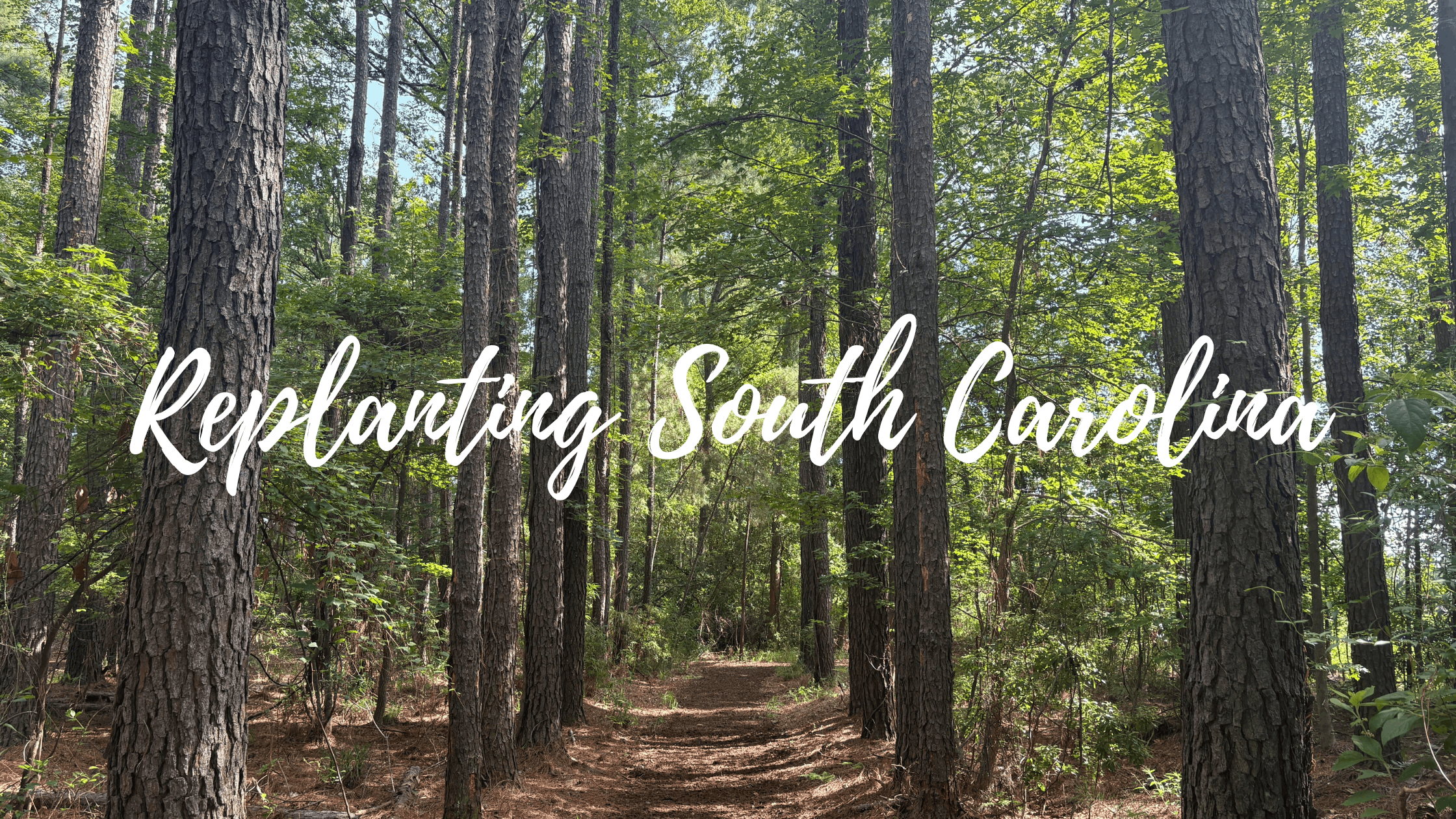
Loblolly Pine Reforestation in Sumter National Forest
Nestled within the rolling woodlands of South Carolina, the Sumter National Forest is undergoing important reforestation efforts following the widespread damage caused by Hurricane Helene. Powerful winds and heavy rainfall impacted large sections of forestland, leaving behind damaged trees, erosion concerns, and areas in need of long-term restoration.
Today, new loblolly pine seedlings are being planted to help restore these forests and support the recovery of one of the Southeast’s most important ecosystems. Native to the region, loblolly pines are valued for their resilience, rapid growth, and ability to provide habitat for wildlife while helping stabilize soils and improve watershed health.
These reforestation efforts are helping transform storm-impacted landscapes into thriving forests once again. As the seedlings mature, they will contribute to cleaner air, healthier habitats, and stronger forests for future generations throughout the Sumter National Forest region.
From Seedling to Forest: Loblolly Pine Reforestation in South Carolina
-
 Read More
Client gallery powered by Picflow
Red Pine Reforestation in Roscommon State Forest
Located in the heart of northern Michigan, this section of the Roscommon State Forest near Grayling showcases a landscape defined by sandy soils, gently rolling terrain, and expansive conifer forests most notably, thriving stands of red pine.
This region is part of one of the largest state forest systems in the eastern United States, with a history shaped by intensive logging during the late 1800s and early 1900s. Today, those once harvested lands have become a cornerstone of modern reforestation. Carefully planned plantings of red pine and jack pine are established in managed rows, helping restore forest cover, support diverse wildlife habitats, and ensure the long term health and sustainability of the ecosystem.
The area is known for its clean air, quiet beauty, and remarkable resilience. Here, young plantations steadily grow into mature forests creating a lasting legacy of restoration that will benefit both the environment and future generations.
From Seedling to Forest: Red Pine Reforestation in Roscommon State Forest
-
 Read More
Evertrack 2026: Track Your Trees from Seedling to Forest 🌿
Explore our latest verified memorial tree planting sites across the United States—where your tribute trees take root, grow, and restore forests in real, measurable ways.
California
In the wake of the Rim Fire, reforestation efforts on Stanislaus National Forest—just outside Yosemite National Park—focus on rebuilding fire-impacted landscapes. Native species such as pine and fir are carefully planted to restore forest ecosystems and stabilize the terrain.
Location: Stanislaus National Forest
GPS Coordinates: 37°46'23.9"N 119°52'52.3"W
Impact:
The 2013 Rim Fire scorched thousands of acres of Sierra Nevada forest, leaving a lasting impact on local ecosystems. Today, restoration efforts are underway to reestablish native forest cover, with plantings that include ponderosa pine, Douglas fir, and incense cedar. These efforts help reduce wildfire risk, support natural fire cycles, and restore ecological balance. By limiting shrub encroachment and improving water quality, the project rebuilds critical wildlife habitat, enhances carbon sequestration, and supports a more resilient forest for generations to come.
Species: Ponderosa pine, Douglas fir, Incense cedar
Oregon
In Oregon’s Klamath Basin, just west of Summer Lake, reforestation efforts are restoring landscapes impacted by the Bootleg Fire—reviving native forests and rebuilding resilience, one seedling at a time.
Location: Fremont-Winema National Forest
GPS Coordinates: 42°47'52.7"N 120°56'03.1"W
Impact:
Years of fire suppression have left Oregon’s forests overgrown and vulnerable to severe wildfires, with the Klamath Falls Basin especially impacted. Once a thriving ecosystem and critical habitat, the region is now the focus of a major reforestation effort.
This project will restore tree cover, improve water quality, and support biodiversity—helping create a more resilient future for wildlife and communities alike.Species: Lodgepole pine, Ponderosa pine, Douglas fir, Western larch
Michigan
In Michigan’s Roscommon State Forest area, restoration efforts focus on replanting red pine stands—supporting wildlife habitat while helping protect vital freshwater ecosystems for decades to come.
Location: Crawford County (MI)
GPS Coordinates: 44°31'18.7"N 84°49'17.2"W
Impact:
Michigan's forests are a cornerstone of the state's rural communities, playing a vital economic and ecological role. This crucial restoration initiative focuses on red pine, a keystone species. Each year, as part of the natural growth cycle, 70 to 90-year-old red pine plantations on state land are replanted with red pine seedlings, rapidly re-establishing these essential landscapes.
Species: Red pine
Florida
Longleaf pine restoration in West Central Florida is helping rebuild one of North America’s most important ecosystems. These forests provide critical habitat for a wide variety of wildlife, including gopher tortoises, Sherman’s fox squirrels, red-cockaded woodpeckers, and bobwhite quail.
Location: Withlacoochee State Forest
GPS Coordinates: 28°43'44.5"N 82°33'47.2"W
Impact:
Longleaf pine forests, a defining feature of the southern U.S., play a vital role in Florida’s ecological resilience. At Withlacoochee State Forest, this project focuses on restoring a fire-adapted, drought-resistant ecosystem that supports rich biodiversity and protects water quality. By bringing back these resilient pines, we strengthen carbon sequestration, preserve the Withlacoochee River watershed—a key water source for eight counties—and create habitat for endangered species.
Species: Longleaf pine
Georgia
Our Georgia Evertrack sites, verified through veritree, are replanted with native loblolly pine to restore forest cover and support sustainable forestry practices. Current tree planting efforts are underway in Oak Park, Georgia, just south of Atlanta.
Location: Tattnall County (GA)
GPS Coordinates: 32°26'37.1"N 82°21'20.3"W
Impact:
Georgia’s forests have faced combined impacts from wildfires and Hurricane Helene, leaving working forests degraded and wildlife habitat fragmented. With forestry central to the state’s economy, restoration is both an ecological and economic priority. This project replants native loblolly pine—sequestering carbon, restoring habitat connectivity, and supporting wildlife.
Species: Loblolly pine
South Carolina
Tree planting efforts in Sumter National Forest help restore native ecosystems and improve long-term forest health.
Location: Greenwood County (SC)
GPS Coordinates: 33°59'34.6"N 82°04'39.0"W
Impact:
Hurricane damage has significantly impacted South Carolina’s forests, leaving working landscapes degraded and ecosystems vulnerable. This restoration project replants affected areas—advancing sustainable land stewardship under Sustainable Forestry Initiative standards, while sequestering carbon and restoring habitat for local species.
Species: Loblolly pine
Alabama
By planting a mix of longleaf and loblolly pine, this project supports biodiversity and advances sustainable forest management. Current planting efforts are underway within the Cahaba River National Wildlife Refuge in central Alabama.
Location: Bibb County (AL)
GPS Coordinates: 33°06'47.5"N 87°05'05.2"W
Impact:
Alabama’s forests face ongoing pressure from the Southern Pine Beetle, whose infestations can devastate softwood pines across the Southeast. Affected areas are logged to remove infested trees, leaving landscapes in need of restoration. This project replants native loblolly pine—reducing fire risk, limiting further infestation, sequestering carbon, and creating habitat for local wildlife.
Species: Loblolly pine
Mississippi
In the Tombigbee National Forest region of eastern Mississippi, wildfire damage has left working forests in need of restoration. This project replants native loblolly pine across affected areas—helping rebuild resilient ecosystems, capture carbon, and restore critical habitat for local wildlife.
Location: Noxubee County (MS)
GPS Coordinates: 32°56'44.8"N 88°42'34.4"W
Impact:
In the wake of wildfire impacts, sites in Mississippi underwent salvage logging to clear damaged trees and prepare the land for renewal. In early 2026, planting began with native loblolly pine seedlings—marking the start of a long-term forest recovery effort.
Species: Loblolly pine
Verified Impact. A Gift That Grows.
With EverTrack, your memorial trees are more than symbolic—they’re planted in verified reforestation projects, with ongoing tracking of their growth, health, and long-term impact.

Photos, GPS, Impact: Meet Evertrack 🌿
-
 Read More
Plant a Tree Tribute Card Guide

When you plant a tree in honor or memory of someone special, the tribute card helps share the meaning behind your gift. Our tribute cards notify recipients that trees have been planted in their honor while supporting reforestation projects across the United States and Canada.
In this guide, explore the tribute card styles from A Living Tribute and choose the tribute card that best reflects your message of remembrance, celebration, or appreciation.
Southern USA

Order this Tribute Card:


Order this Tribute Card:

Order this Tribute Card:

Order this Tribute Card:

Order this Tribute Card:
Plant a Tree in South Carolina

Order this Tribute Card:

Order this Tribute Card:

Order this Tribute Card:
Plant a Tree in North Carolina

Order this Tribute Card:

Order this Tribute Card:
Western USA

Order this Tribute Card:
Additional CA Forests:
Eldorado National Forest (Lake Tahoe)
San Bernardino National Forest
Shasta-Trinity National Forest


Order this Tribute Card:

Order this Tribute Card:

Order this Tribute Card:

Order this Tribute Card:

Order this Tribute Card:

Order this Tribute Card:

Order this Tribute Card:

Order this Tribute Card:
Midwest USA

Order this Tribute Card:

Order this Tribute Card:

Order this Tribute Card:

Order this Tribute Card:
Ozarks and Appalachia USA

Order this Tribute Card:

Order this Tribute Card:
Northeast USA

Order this Tribute Card:

Order this Tribute Card:

Order this Tribute Card:
Forest Friends 2026

Order this Tribute Card:
Plant a Tree for US Forests of Greatest Need
Canada 2026

Order this Tribute Card:
Additional Provinces:


Have questions or need help customizing your tribute card? We’re here to help—contact our customer service team at info@alivingtribute.org

A Living Tribute - Plant a Tree Card Guide
-
 Read More
Restoring California’s Forests: A Look Back at 2021–2022 Reforestation Efforts
Tehama Wildlife Area & California RCD Projects
Over the past several years, California’s forests have faced unprecedented challenges—from high-severity wildfires to prolonged drought that has weakened ecosystems across the state. In response, our community reforestation efforts across the state of California have focused on restoring these damaged landscapes, rebuilding critical ecosystems, and helping forests recover in areas where the need is the greatest.
Through 2021 and 2022, community reforestation efforts played a vital role in stabilizing soils, improving watershed health, and creating the conditions needed for native forests to regenerate and thrive once again. Just as importantly, they supported the California communities that rely on these forests for clean air, water, and long-term environmental resilience.
Thanks to the support of our customers, and trusted planting partners like One Tree Planted, our contributions to these projects helped bring new life to fire scorched forests across California—ensuring these landscapes can recover, grow, and endure for generations to come.

2022 Highlight: Tehama County Reforestation
In 2022, restoration efforts in Tehama County focused on areas heavily impacted by wildfire within the Tehama Wildlife Area (near Lassen National Forest) and Sacramento River watershed.
Project Impact
- 290 hectares restored
- 34 jobs supported
- 20 families benefited
- 10 wildlife species supported
These efforts reintroduced native species such as White Fir, Ponderosa Pine, and Douglas Fir, helping to rebuild forest structure and accelerate natural recovery.
Why This Work Matters
The Tehama Wildlife Area, located near Lassen National Forest, spans approximately 44,500 acres of diverse grasslands, oak woodlands, and chaparral. Recent wildfires have significantly impacted these ecosystems, disrupting wildlife habitat, affecting water quality, and reducing soil stability. Ongoing restoration efforts aim to reestablish native vegetation, support local wildlife, and strengthen the long-term resilience of this important Northern California landscape.
Reforestation in this region plays a critical role by:
- Preventing soil erosion
- Protecting downstream water systems
- Restoring habitat for species like deer, wild pigs, and birds of prey
- Rebuilding forest canopy for long-term ecosystem health
Biodiversity & Watershed Recovery
The planting site lies within one of the most ecologically important parts of the Sacramento River watershed. Wildfires had increased sedimentation and damaged aquatic ecosystems, particularly for sensitive fish species.
Restoration efforts help:
- Improve water quality
- Stabilize soil and reduce runoff
- Rebuild habitat for threatened and endangered species
- Support long-term ecological resilience

2021 Highlight: California RCD Restoration Project
In 2021, reforestation efforts extended across multiple counties in California through partnerships with local landowners and conservation districts.
Project Impact
- 1,000 hectares restored
- 16 landowners supported
- Ponderosa pine, Red fir, Douglas-fir and 5 other native species planted
These projects focused on restoring forests affected by both wildfire and drought, helping communities recover while improving long-term forest health.
Where This Work Took Place
Planting efforts spanned several counties, including:
- Calaveras
- El Dorado
- Fresno
- Kern
- Madera
- Mariposa
- Placer
- San Diego
- Tuolumne
Restoring Forests, Supporting Communities
Beyond environmental impact, this project played a vital role in supporting local communities. By working directly with landowners, the program helped restore private lands that might otherwise struggle to recover.
Reforestation in these areas:
- Prevents erosion and improves soil health
- Supports clean water systems
- Reestablishes wildlife habitat
- Increases carbon sequestration potential
These efforts helped re-establish critical forest areas while supporting landowners who may not otherwise have access to resources for recovery.

A Combined Impact Across California
Together, these two projects represent a powerful step forward in restoring California’s forests:
- 1,290+ hectares restored
- Dozens of communities and families supported
- Critical wildlife habitats rebuilt
From wildfire recovery zones in Tehama County to multi-county restoration efforts across the state, these initiatives highlight what’s possible when meaningful support meets urgent environmental need.
Plant a Tree in California
If California holds special meaning to you or someone you care about, you can be part of ongoing restoration efforts.
Planting a tree in honor of a loved one is a meaningful way to:
- Celebrate a life or milestone
- Support real environmental recovery
- Create a lasting, living tribute
https://shop.alivingtribute.org/products/plant-a-tree-california
Looking Back: California Wildfire Recovery (2021-2022)


