
Longleaf Pine Reforestation on Florida State Parks

Restoring Florida's State Parks: Longleaf Pine Reforestation
Over the past century, Florida has seen a dramatic decline in one of its most iconic and ecologically important trees: the longleaf pine (Pinus palustris). Once spanning over 90 million acres across the Southeastern United States, longleaf pine ecosystems have dwindled to less than 5% of their original range—largely due to logging, land development, and fire suppression. But thanks to dedicated reforestation efforts, including restorative programs like "Plant-a-Pine" by Florida State Parks, the longleaf pine is making a slow but determined comeback.
Why Longleaf Pine Matters
Longleaf pine forests are some of the most biologically diverse ecosystems in North America. They provide critical habitat for a range of wildlife species, including:
-
The endangered red-cockaded woodpecker
-
Gopher tortoises, a keystone species that support over 300 other species through their burrows
-
Unique groundcover plants and wildflowers
Longleaf pines are also fire-adapted, meaning they rely on regular, low-intensity fires to thrive—fires that help reduce underbrush, recycle nutrients, and prevent more catastrophic wildfires.
Plant-a-Pine Program
Launched by the Florida State Parks Foundation in 2020, the Plant-a-Pine program offers visitors and supporters a chance to directly contribute to the restoration of longleaf pine ecosystems. Since 2021, A Living Tribute has been sponsoring the planting of longleaf pine seedlings in designated Florida state parks that are undergoing habitat restoration.
Some of the reforestation efforts have taken place in state parks such as:
-
Ichetucknee Springs State Park
-
Fort Cooper State Park
-
Mike Roess Gold Head Branch State Park
-
Lake Kissimmee State Park
-
Dunns Creek State Park
-
Alafia River State Park
-
Highlands Hammock State Park
-
Oscar Scherer State Park
-
Florida Caverns State Park
-
Ponce de Leon Springs State Park
-
Big Shoals State Park
-
Torreya State Park
- Three Rivers State Park
These native pine tree plantings not only support forest recovery, but also enhance trails, protect watersheds, and improve the overall visitor experience.
Past Tree Plantings
In 2020, A Living Tribute contributed to a large scale tree planting effort on the Goethe State Forest — a 53,587-acre protected forest on Florida's Gulf Coast. The land is named in honor of Mr. J.T. Goethe, who sold much of the property to the state in 1992 through the Conservation and Recreation Lands (CARL) program.
Goethe State Forest is cared for with long-term sustainability in mind. The forest supports a wide variety of wildlife, offers outdoor recreation opportunities for visitors, and continues to be restored through ongoing reforestation and habitat management efforts.
How the Tree Planting Works
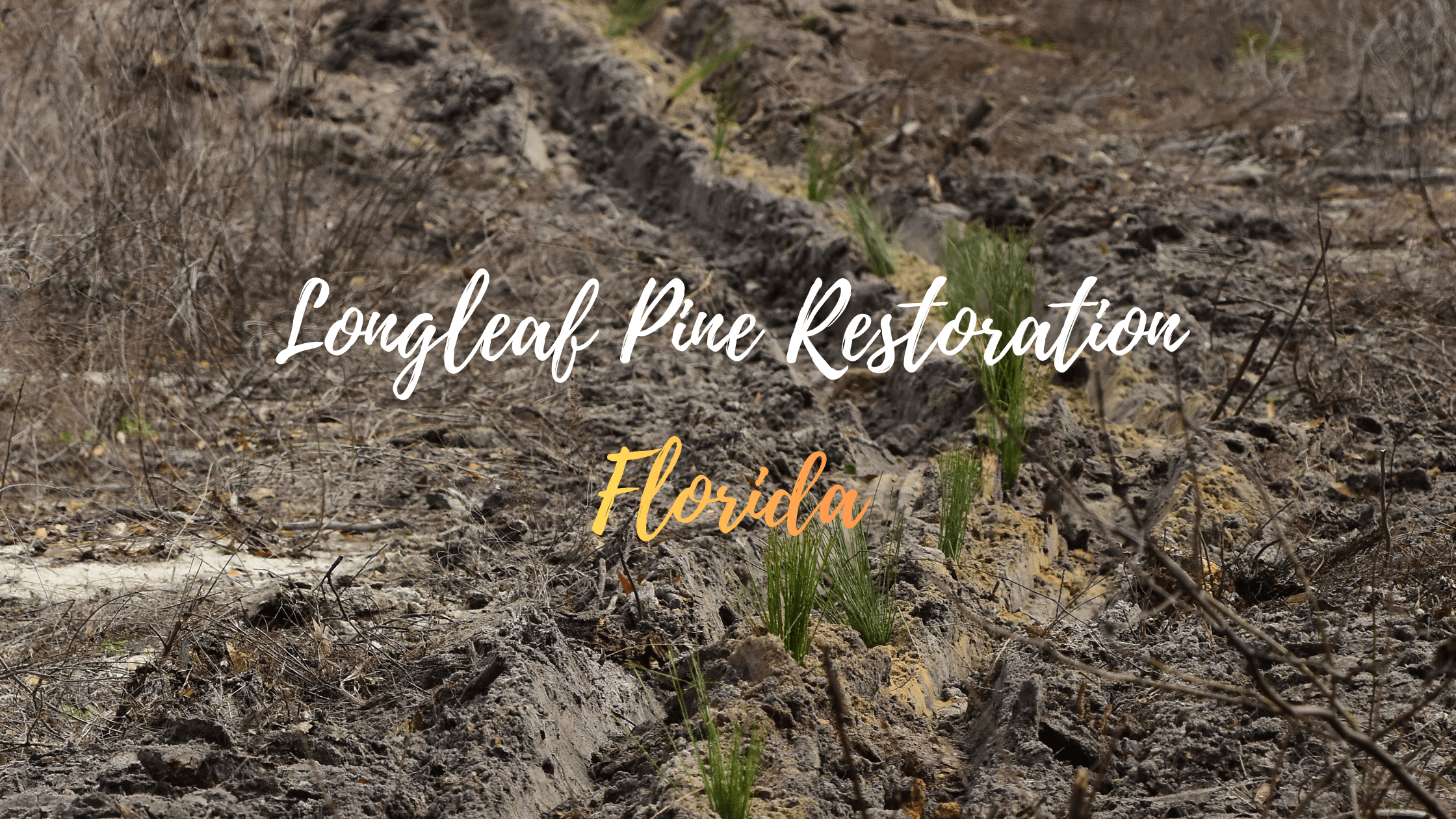
Florida’s longleaf pine restoration begins with careful site selection and preparation. Forestry teams and park staff remove invasive species, clear dense undergrowth, and prepare the soil for planting. Longleaf pine seedlings are then hand or machine planted during the cooler months—typically between December and February—when conditions are ideal for root establishment.
After planting, the sites are monitored regularly. Prescribed burns may be introduced to mimic the natural fire cycles that longleaf ecosystems depend on. This management helps young pines grow stronger and supports the native flora and fauna that thrive in open, fire-maintained habitats.
While many of the reforestation projects we support take place in the spring, Florida is a little different. The ideal planting season there is from November through January, when cooler temperatures and consistent rainfall help young seedlings take root and grow strong. Planting during this mild, wetter weather gives the trees the best possible start.
A Living Tribute: Honor Someone with a Longleaf Pine
At A Living Tribute, we’re proud to support tree planting efforts in Florida and across the United States. When you plant a memorial tree through our platform, you help restore habitats like the longleaf pine forests of Florida—places that symbolize resilience, legacy, and renewal.
Each tree is planted in partnership with trusted reforestation organizations and state agencies, and a personalized tribute card is mailed to the recipient to commemorate the gift.
🌲 Plant a tree. Restore a forest. Honor a life.
Recommended Reading
The Blog-
 Read More
Client gallery powered by Picflow
To contribute to smart reforestation projects like these:
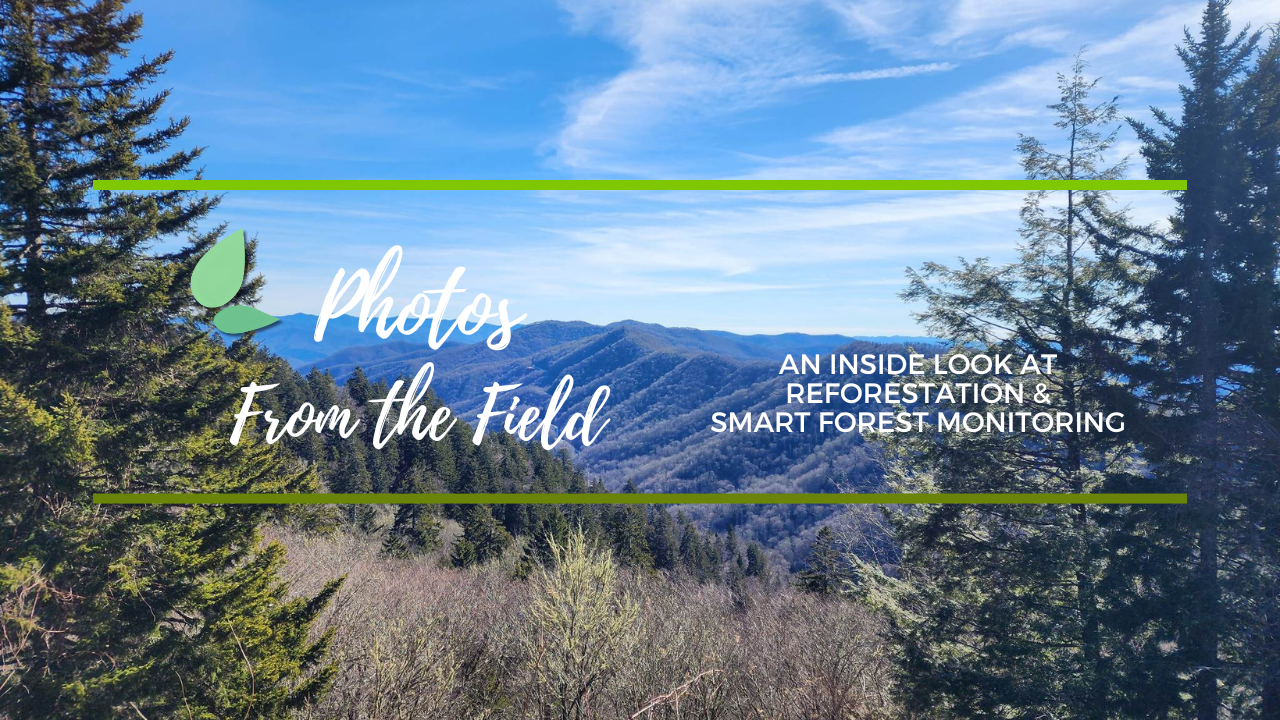
Plant a Memorial TreeAdvanced forest monitoring is powered by Veritree Technology, Inc., providing A Living Tribute supporters with a unique view of the forests they're helping restore.
Photos From The Field: Advanced Forest Monitoring
-
 Read More
A New Chapter in Forest Restoration
Every year, thousands of supporters help restore forests across North America by dedicating memorial and celebration trees. This year marks another exciting milestone.
We're proud to announce new Evertrack™ planting sites for the 2026–2027 planting season, expanding restoration efforts into forests recovering from wildfire, storms, habitat loss, and decades of environmental change.
Unlike traditional honorary tree planting programs, every Evertrack tree includes access to its planting location through interactive Google Earth maps, allowing supporters to see where their trees are growing.
Why These New Sites Matter
Each Evertrack project is selected because it provides meaningful conservation benefits, including:
- Native forest restoration
- Wildlife habitat improvement
- Watershed protection
- Carbon storage
- Biodiversity enhancement
- Long-term forest resilience
Once a treeplanting site reaches capacity, future trees move to the next restoration project or an adjacent restoration block.
For supporters hoping to become part of one of these inaugural forests, now is the opportunity.
2026–2027 Evertrack Planting Projects
Georgia
Glennville, Georgia
Google Earth Map:
https://www.google.com/maps/d/u/2/edit?mid=1E3ptLWwzOIUGZSfiqiz41u4avaEERm8With the successful completion of this past January's Oak Park project, tree planting efforts are expanding east toward Georgia's coastal forests near Glennville.
Native trees planted here will help restore forest habitat surrounding Savannah, Georgia and the Wassaw National Wildlife Refuge, strengthening wildlife corridors while protecting watersheds flowing toward Georgia's coast.

California
Stanislaus National Forest
Google Earth Map:
https://www.google.com/maps/d/u/2/edit?mid=13HemdQd5vVvcPLsjAz3clYh3bVkEpNkBuilding on the success of the original Groveland project near the entrancce to Yosemite, new restoration sites now extend deeper into the Rim Fire burn scar and surrounding landscapes near New Melones Lake.
Visitors can explore several scenic viewpoints near the planting areas, including Buck Meadows, Pine Mountain Lake, Vista Rim of the World, and overlooks across the Rim Fire restoration zone.

South Carolina
Sumter National Forest
Google Earth Map:
https://www.google.com/maps/d/u/2/edit?mid=1cfhv_y0MgOkGeOoNBDmeToYUD6ywrxsSouth Carolina restoration efforts are expanding directly adjacent to the original lobolly pine plantation (planted in January 2026) near Callison.
This allows returning supporters such as A Living Tribute to continue growing the same forest they helped establish while restoring native loblolly pine habitat.

Alabama
Cahaba River Region
Google Earth Map:
https://www.google.com/maps/d/u/2/edit?mid=1xHONIU78YnmXH-QbQRTnVBqty0C4rvELocated near West Blocton, these new plantings continue restoration efforts surrounding the Cahaba River National Wildlife Refuge.
The Cahaba River supports one of the richest freshwater ecosystems in North America, making forest restoration especially valuable for protecting water quality and wildlife.

Mississippi
Tombigbee National Forest
Google Earth Map:
https://www.google.com/maps/d/u/2/edit?mid=1ZUeKA-Yynkuzf73sQlKkOVB43O91r1MNew plantations continue restoration within the Wilder Branch and Nails Creek area near Shuqualak.
These new sites sit adjacent to the previous groves, allowing returning supporters to expand their existing forests while restoring native longleaf and loblolly ecosystems.

Michigan
Crawford County Red Pine Restoration
Google Earth Map:
https://www.google.com/maps/d/u/2/edit?mid=1A6TARvz7JZ9Fx5CnxgP4o1qbXY5St7YOur Michigan program continues expanding northward through Crawford County near Higgins Lake, Hartwick Pines State Park, and the Au Sable River.
Native red pine plantations will help restore one of Michigan's iconic forest ecosystems.


Oregon
Fremont-Winema National Forest
Google Earth Map:
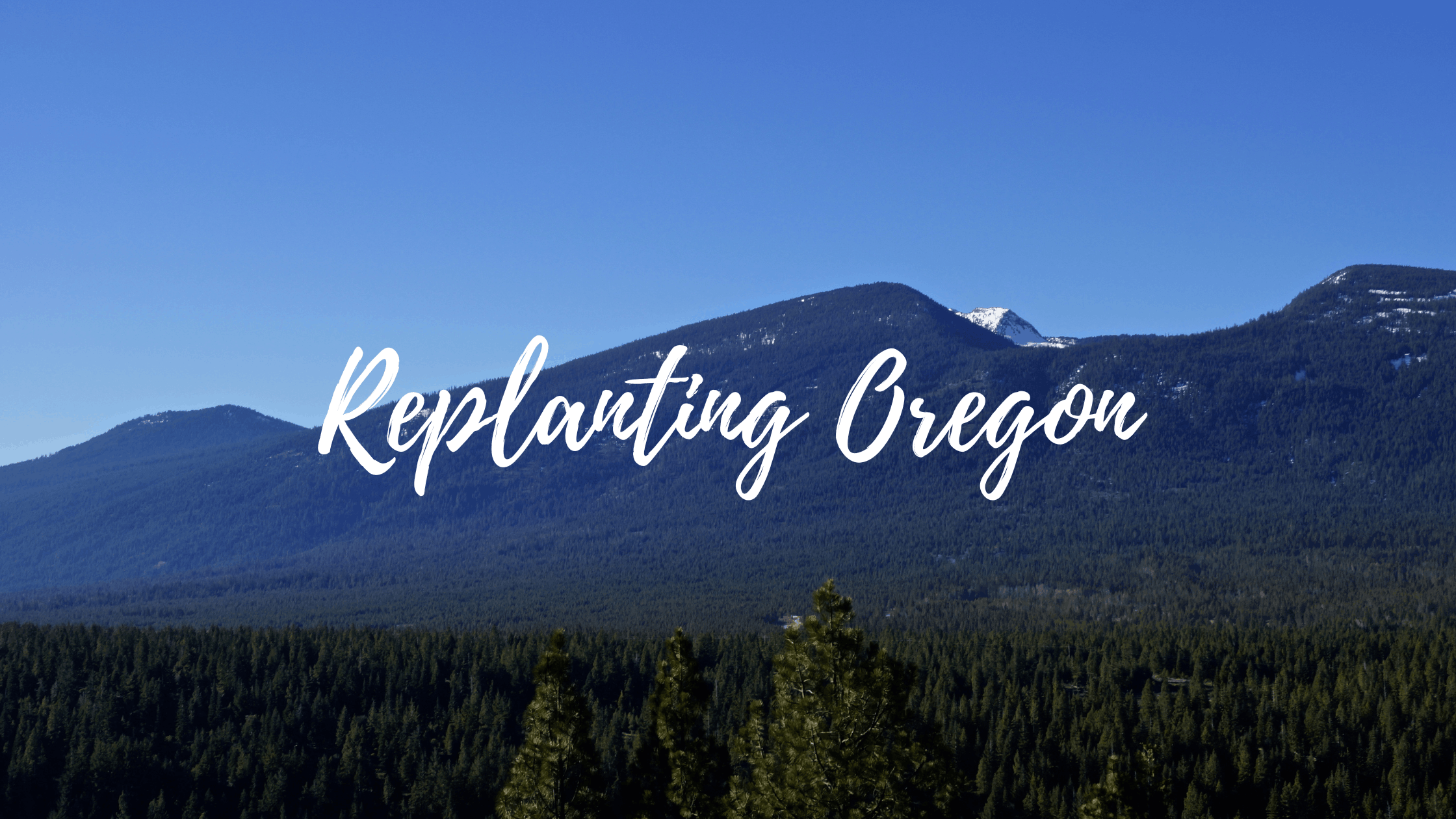
https://www.google.com/maps/d/u/2/edit?mid=1nZb_Fysh-m9geufyIy3hQ3NbB59KC9AThe Bootleg Fire restoration continues into its second year.
New planting sites expand beyond the 2025 plantation east of Summer Lake, restoring additional acreage throughout the Klamath Basin.

Florida
Withlacoochee State Forest
Google Earth Map:
https://www.google.com/maps/d/u/2/edit?mid=16ByYvfrRJ5NtfKp6f819icZpbSkqXXsAdditional planting plots have been added within Florida's Withlacoochee State Forest.
Native longleaf pine will continue restoring one of the Southeast's most threatened ecosystems while supporting habitat for countless native plant and animal species.

Visit Your Trees
One of the most unique features of the new Evertrack program is the ability to explore every planting site online through interactive Google Earth maps.
Whether you're planning a road trip through California's Sierra Nevada, Michigan's Northwoods, Florida's Nature Coast, or the forests of the Southeast, you can see exactly where your contribution is helping rebuild America's forests.
Reserve Your Place in These New Forests
Because each planting site has a finite capacity, these new forests will only remain available until their designated acreage has been filled.
As each site fills, planting efforts move to new restoration locations. Reserving your trees now means becoming one of the first supporters helping establish these new forests from the very beginning.
Whether you're honoring a loved one, celebrating a milestone, or simply giving back to nature, your gift will leave a living legacy that continues growing for generations.
This blog article will be updated throughout 2026 and 2027 as new planting sites are added/confirmed or completed.
Planting maps and aerial imagery are powered by Veritree Technology, Inc., providing supporters with a unique view of the forests they're helping restore.
2026–2027 Evertrack Reforestation Projects