
Western Colorado Reforestation: Tree Planting on the Grand Mesa
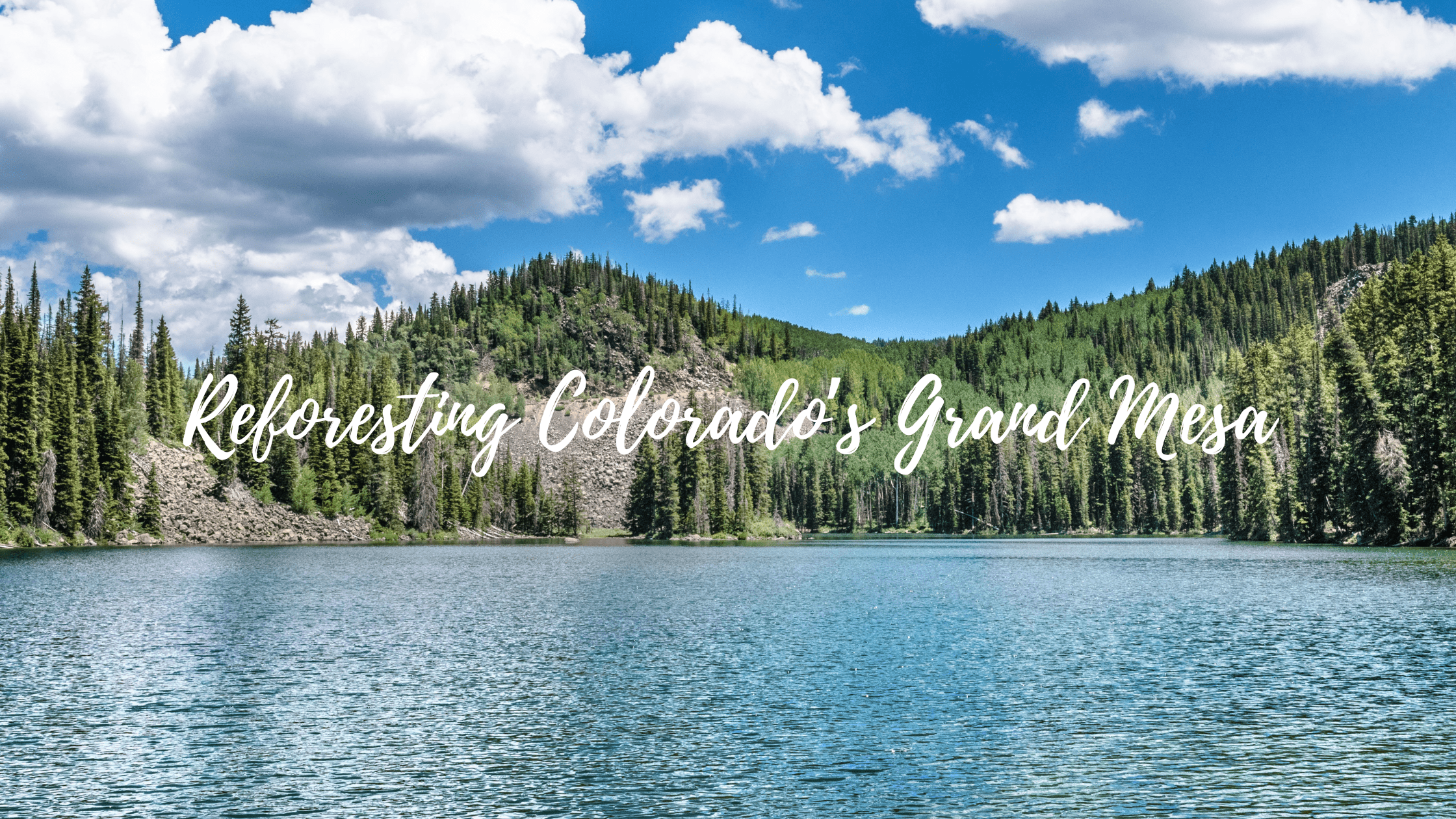
Reforesting Colorado’s Grand Mesa: North Zone Tree Planting in 2024 🌲
High atop western Colorado lies the Grand Mesa, the largest flat-topped mountain in the world. Known for its lakes, forests, and sweeping views, it’s also a place where forests have faced challenges in recent years. Warmer temperatures, insect outbreaks, and wildfires have left behind open gaps where trees once thrived.
In 2024, new life returned to the North Zone of the Grand Mesa through tree planting and reforestation efforts. Thanks to caring supporters, thousands of young seedlings are taking root on this landscape, helping to heal the forest and ensure its beauty lasts for generations to come.

What Happened in 2024
-
New seedlings were planted in priority areas where natural regrowth wasn’t enough on its own.
-
High-elevation species like Engelmann spruce were chosen for their ability to thrive in the cool mountain climate.
-
Careful attention was given to planting sites—such as shady spots and areas with natural moisture—so the young trees have the best chance to grow strong.
Every tree seedling planted brings this reforestation project closer to restoring healthy, diverse forests that can withstand future challenges.
Click here to view the priority planting areas on Google Earth:

Why It Matters
The North Zone of the Grand Mesa is a place where forests provide clean water, wildlife habitat, recreation, and beauty for millions of visitors each year. Planting trees here isn’t just about filling empty spaces—it’s about:
-
Restoring balance to the ecosystem
-
Protecting streams and watersheds
-
Creating future shade and shelter for wildlife
-
Leaving a living legacy for the next generation
A Gift That Lasts Beyond Today
When you choose to plant trees with us, your gift becomes part of this larger story of renewal in Western Colorado. Each tree planted in honor of a loved one, a friend, or a special occasion helps restore a mountain that means so much to Colorado's forests and beyond.
It’s more than just a card or a certificate—it’s a living, growing legacy rooted in one of the country’s most unique and beautiful landscapes.
Looking Ahead
The work doesn’t stop in one season. Future years will bring more seedlings, more areas restored, and more opportunities to rebuild healthy, resilient forests on the Grand Mesa and adjacent forests such as the Gunnison. With continued support, we’ll watch this landscape transform as today’s saplings grow into tomorrow’s towering trees.
🌿 Ready to give back to nature?
Plant a tree in honor of someone today, and let your gift grow on a forest in need for decades to come.
Recommended Reading
The Blog-
 Read More
Client gallery powered by Picflow
To contribute to smart reforestation projects like these:
Plant a Memorial TreeAdvanced forest monitoring is powered by Veritree Technology, Inc., providing A Living Tribute supporters with a unique view of the forests they're helping restore.
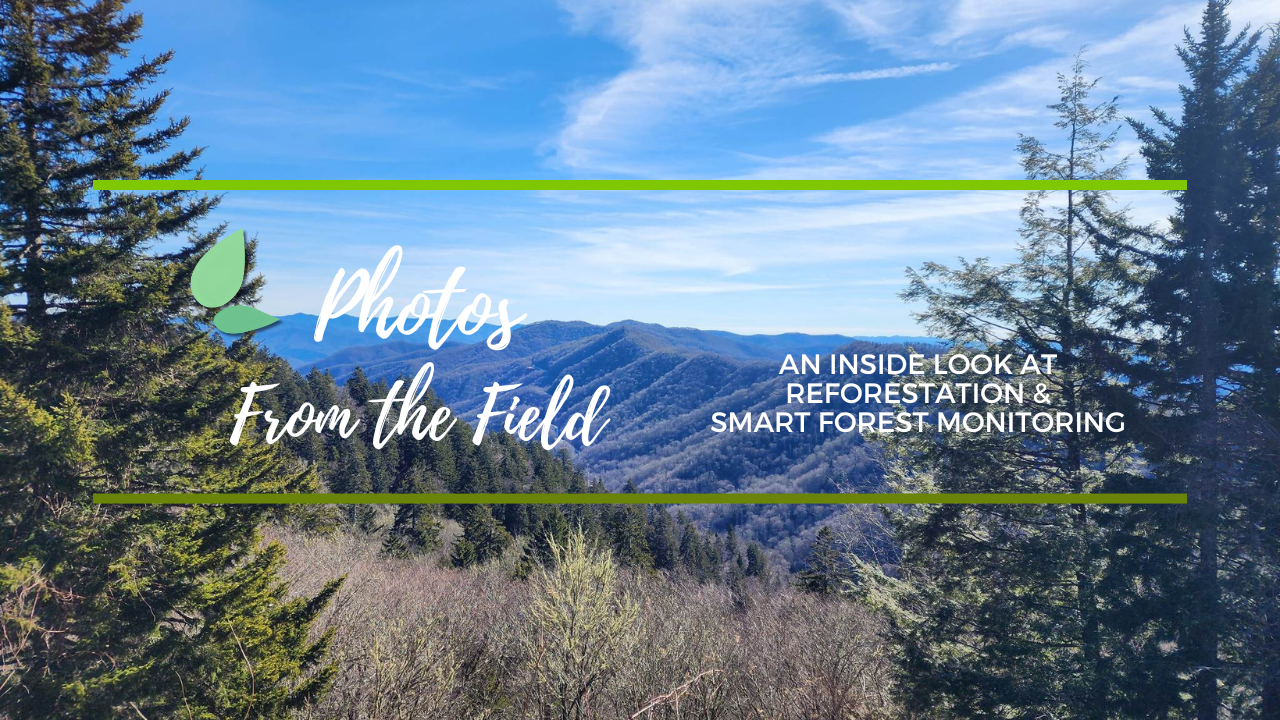
Photos From The Field: Advanced Forest Monitoring
-
 Read More
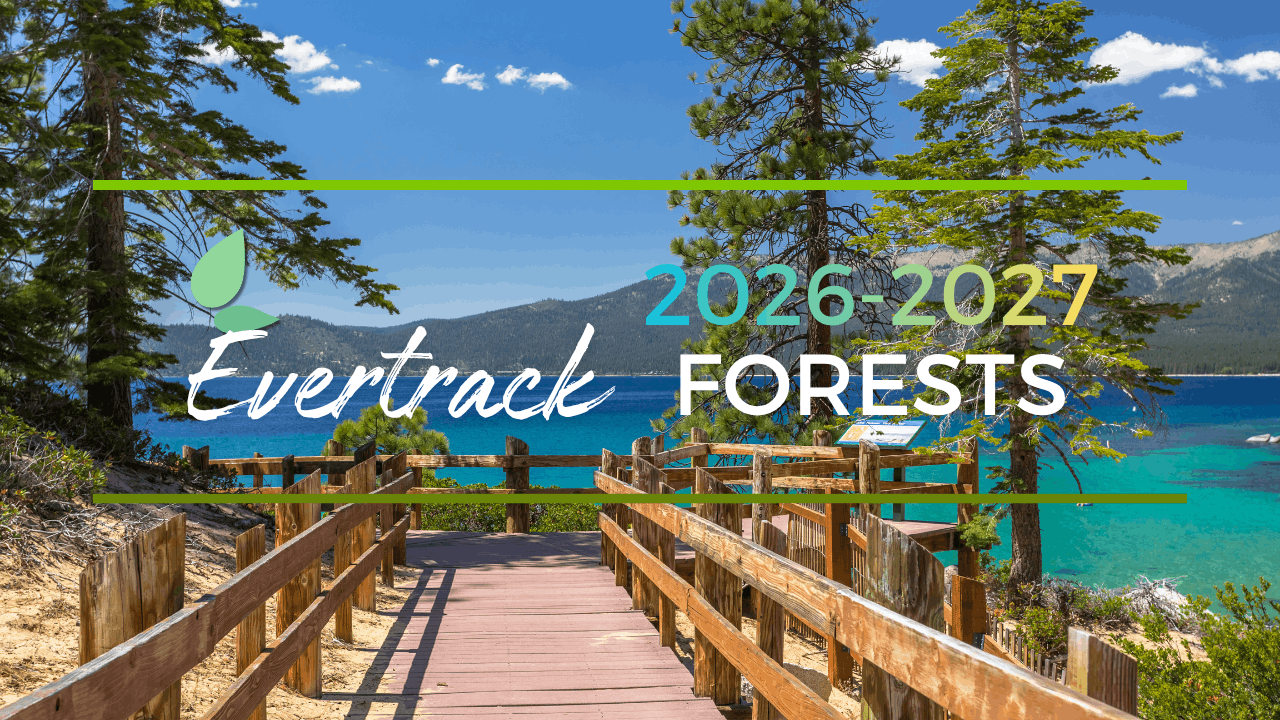
A New Chapter in Forest Restoration
Every year, thousands of supporters help restore forests across North America by dedicating memorial and celebration trees. This year marks another exciting milestone.
We're proud to announce new Evertrack™ planting sites for the 2026–2027 planting season, expanding restoration efforts into forests recovering from wildfire, storms, habitat loss, and decades of environmental change.
Unlike traditional honorary tree planting programs, every Evertrack tree includes access to its planting location through interactive Google Earth maps, allowing supporters to see where their trees are growing.
Why These New Sites Matter
Each Evertrack project is selected because it provides meaningful conservation benefits, including:
- Native forest restoration
- Wildlife habitat improvement
- Watershed protection
- Carbon storage
- Biodiversity enhancement
- Long-term forest resilience
Once a treeplanting site reaches capacity, future trees move to the next restoration project or an adjacent restoration block.
For supporters hoping to become part of one of these inaugural forests, now is the opportunity.
2026–2027 Evertrack Planting Projects
Georgia
Glennville, Georgia
Google Earth Map:
https://www.google.com/maps/d/u/2/edit?mid=1E3ptLWwzOIUGZSfiqiz41u4avaEERm8With the successful completion of this past January's Oak Park project, tree planting efforts are expanding east toward Georgia's coastal forests near Glennville.
Native trees planted here will help restore forest habitat surrounding Savannah, Georgia and the Wassaw National Wildlife Refuge, strengthening wildlife corridors while protecting watersheds flowing toward Georgia's coast.

California
Stanislaus National Forest
Google Earth Map:
https://www.google.com/maps/d/u/2/edit?mid=13HemdQd5vVvcPLsjAz3clYh3bVkEpNkBuilding on the success of the original Groveland project near the entrancce to Yosemite, new restoration sites now extend deeper into the Rim Fire burn scar and surrounding landscapes near New Melones Lake.
Visitors can explore several scenic viewpoints near the planting areas, including Buck Meadows, Pine Mountain Lake, Vista Rim of the World, and overlooks across the Rim Fire restoration zone.

South Carolina
Sumter National Forest
Google Earth Map:
https://www.google.com/maps/d/u/2/edit?mid=1cfhv_y0MgOkGeOoNBDmeToYUD6ywrxsSouth Carolina restoration efforts are expanding directly adjacent to the original lobolly pine plantation (planted in January 2026) near Callison.
This allows returning supporters such as A Living Tribute to continue growing the same forest they helped establish while restoring native loblolly pine habitat.

Alabama
Cahaba River Region
Google Earth Map:
https://www.google.com/maps/d/u/2/edit?mid=1xHONIU78YnmXH-QbQRTnVBqty0C4rvELocated near West Blocton, these new plantings continue restoration efforts surrounding the Cahaba River National Wildlife Refuge.
The Cahaba River supports one of the richest freshwater ecosystems in North America, making forest restoration especially valuable for protecting water quality and wildlife.

Mississippi
Tombigbee National Forest
Google Earth Map:
https://www.google.com/maps/d/u/2/edit?mid=1ZUeKA-Yynkuzf73sQlKkOVB43O91r1MNew plantations continue restoration within the Wilder Branch and Nails Creek area near Shuqualak.
These new sites sit adjacent to the previous groves, allowing returning supporters to expand their existing forests while restoring native longleaf and loblolly ecosystems.

Michigan
Crawford County Red Pine Restoration
Google Earth Map:
https://www.google.com/maps/d/u/2/edit?mid=1A6TARvz7JZ9Fx5CnxgP4o1qbXY5St7YOur Michigan program continues expanding northward through Crawford County near Higgins Lake, Hartwick Pines State Park, and the Au Sable River.
Native red pine plantations will help restore one of Michigan's iconic forest ecosystems.


Oregon
Fremont-Winema National Forest
Google Earth Map:
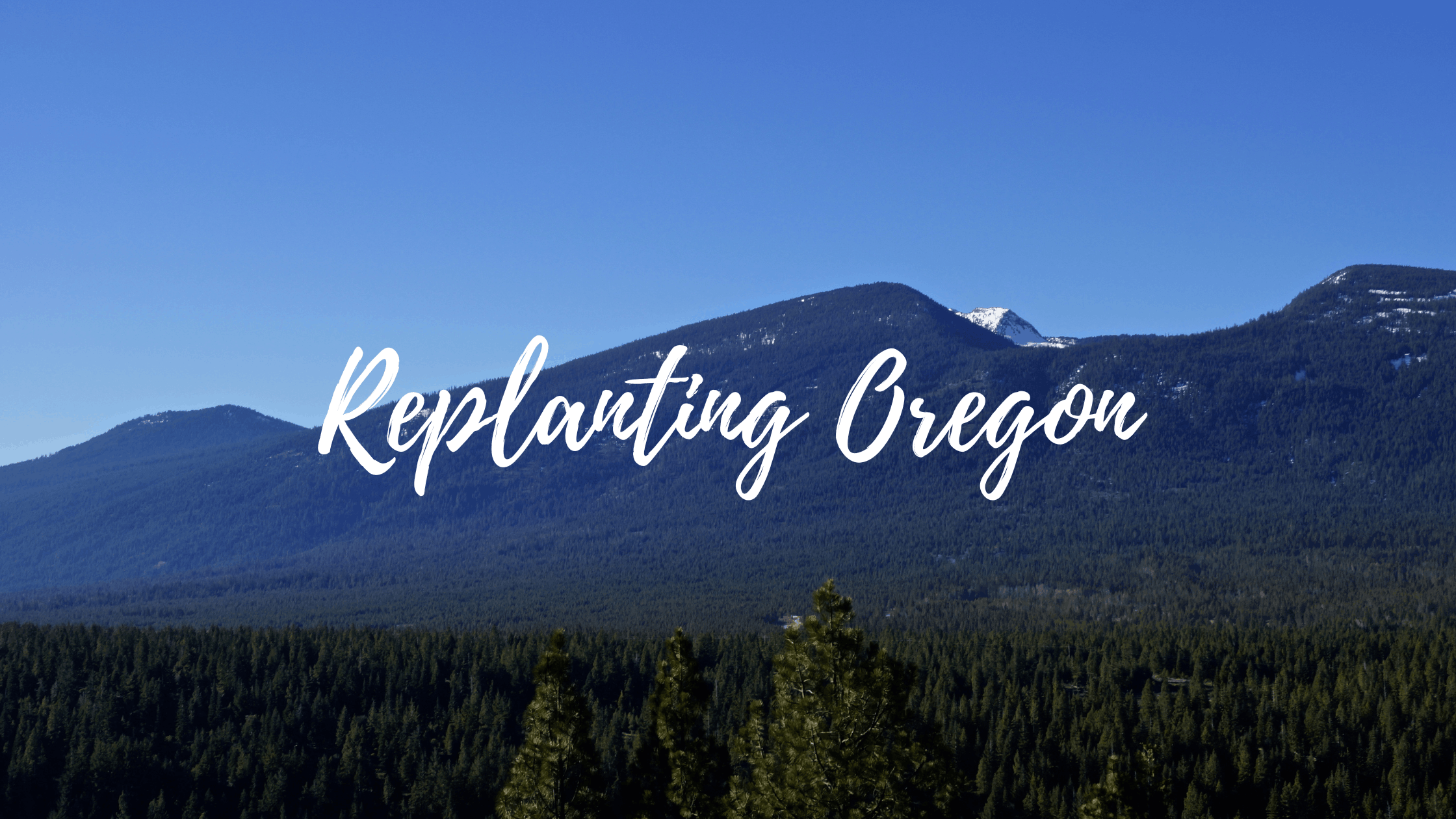
https://www.google.com/maps/d/u/2/edit?mid=1nZb_Fysh-m9geufyIy3hQ3NbB59KC9AThe Bootleg Fire restoration continues into its second year.
New planting sites expand beyond the 2025 plantation east of Summer Lake, restoring additional acreage throughout the Klamath Basin.

Florida
Withlacoochee State Forest
Google Earth Map:
https://www.google.com/maps/d/u/2/edit?mid=16ByYvfrRJ5NtfKp6f819icZpbSkqXXsAdditional planting plots have been added within Florida's Withlacoochee State Forest.
Native longleaf pine will continue restoring one of the Southeast's most threatened ecosystems while supporting habitat for countless native plant and animal species.

Visit Your Trees
One of the most unique features of the new Evertrack program is the ability to explore every planting site online through interactive Google Earth maps.
Whether you're planning a road trip through California's Sierra Nevada, Michigan's Northwoods, Florida's Nature Coast, or the forests of the Southeast, you can see exactly where your contribution is helping rebuild America's forests.
Reserve Your Place in These New Forests
Because each planting site has a finite capacity, these new forests will only remain available until their designated acreage has been filled.
As each site fills, planting efforts move to new restoration locations. Reserving your trees now means becoming one of the first supporters helping establish these new forests from the very beginning.
Whether you're honoring a loved one, celebrating a milestone, or simply giving back to nature, your gift will leave a living legacy that continues growing for generations.
This blog article will be updated throughout 2026 and 2027 as new planting sites are added/confirmed or completed.
Planting maps and aerial imagery are powered by Veritree Technology, Inc., providing supporters with a unique view of the forests they're helping restore.
2026–2027 Evertrack Reforestation Projects