

A Living Tribute
Blog
Recent Posts
-
 Read More
🌲 Restoring Manitoba’s Boreal Forest
Interlake Wildfire Reforestation at Devils Lake
A Look Back at Forest Recovery in Canada’s Interlake Region
In the wake of devastating wildfires across Manitoba’s Interlake Region, the years following 2021 marked a critical period of restoration, resilience, and renewal.
Through the support of our customers, 2025 reforestation efforts by BC-based tree planting partner Blue Green Planet Project helped bring life back to the forests surrounding Devils Lake in Manitoba, Canada—an area that had been severely impacted by insect infestation, logging history, and wildfire. What was once a damaged and understocked landscape is now steadily recovering, one pine or spruce seedling at a time.

📍 A Remote Landscape in Need of Recovery
Located in Manitoba’s Interlake Region between Lake Winnipeg and Lake Winnipegosis, the Devils Lake area is part of Canada’s vast boreal forest—one of the most important ecosystems in the world for carbon storage and biodiversity.
Years prior to the wildfire, this forest had already been weakened by a jack pine budworm infestation, leaving large sections vulnerable. When wildfire swept through the region in 2021, it left behind burned areas with little to no natural seed source—making regeneration extremely slow or even unlikely without intervention.
🔥 From Wildfire to Reforestation
The scale of damage required a coordinated, long-term restoration effort.
Across the region, millions of trees have been planted, with large-scale initiatives aiming to restore tens of millions of trees over time. In some early planting seasons alone, millions of seedlings were planted to accelerate recovery.
Without this intervention, portions of the forest could take decades—or even over a century—to fully recover.
🌱 Targeted Tree Planting for Boreal Recovery
Reforestation efforts focused on native species essential to rebuilding a resilient boreal ecosystem:
- Jack Pine (Pinus banksiana) – the dominant species used in restoration
- Black Spruce (Picea mariana) – a key supporting species
In monitored planting blocks:
- Planting density averaged ~2,400 seedlings per hectare
- Species composition included:
- 95% Jack Pine
- 5% Black Spruce
These species are naturally adapted to fire-prone environments and play a critical role in stabilizing soil, restoring canopy cover, and supporting wildlife habitat.
📊 Verified Survival and Monitoring
One of the most important aspects of tree planting projects sponsored by A Living Tribute is ongoing monitoring and verification.
Field assessments conducted by Blue Green Planet Project after planting showed:
- High seedling survival rates across all planted areas
- Less than 1% mortality observed
- Minor stress indicators (such as red needles) attributed to normal early-stage conditions like planting shock or seasonal drought
Forestry technicians continue to monitor these sites to ensure long-term success—helping confirm that these newly planted forests are establishing as intended.
🤝 Community-Led Restoration and Indigenous Partnership
A defining feature of the Interlake restoration effort is its strong foundation in community collaboration.
The project includes leadership and participation from Indigenous communities, including members of the Opaskwayak Cree Nation, working alongside forestry professionals.
- Community members were directly involved in planting efforts
- Crews participated in physically demanding fieldwork across remote terrain
- The initiative supported training, employment, and long-term stewardship
This approach ensures that restoration is not only environmental—but also social and cultural—strengthening connections between people and the land.
🌎 Why Reforestation Matters Here
Rebuilding the boreal forest delivers long-term environmental benefits:
- 🌿 Restores wildlife habitat across a critical ecosystem
- 💧 Improves watershed health and soil stability
- 🌬️ Supports clean air and carbon sequestration
- 🌍 Helps combat the broader impacts of climate change
These forests are not just local landscapes—they are part of a global system that regulates climate and supports biodiversity.
🌲 A Forest Reborn
While restoration is still ongoing, the transformation is already underway.
What was once a burned and damaged landscape is now steadily becoming a forest again. With continued monitoring and care, these seedlings will grow into mature forests—supporting ecosystems, communities, and future generations.
🌱 Plant a Tree in Canada
You can be part of this ongoing restoration.
By planting a memorial tree in Canada, you help support projects like Interlake Wildfire Reforestation—bringing new life to forests in need while honoring someone special.
👉 Designate your tree planting in Canada and make a lasting impact today.
https://shop.alivingtribute.org/products/plant-a-tree-canada
Interlake Wildfire Reforestation - Manitoba
-
 Read More
🌲 Forest Friends 2026: Reforesting America’s Most Urgent Landscapes

Every year, A Living Tribute’s Forest Friends program supports reforestation where it’s needed most—helping restore US forests that have been impacted by wildfire, disease, drought, and environmental change.
Through Forest Friends 2026, your memorial tree gifts will help support 20+ National Forests across the United States, funding the planting of trees in landscapes that need it most—bringing new life to forests and honoring loved ones in a deeply meaningful way.
🌎 What Is Forest Friends?
Forest Friends—also known as our “Forests of Greatest Need” program—allows us to direct tree plantings toward the areas where reforestation will have the greatest impact.
Rather than designating a single tree planting location, this program supports a network of critical National Forest restoration projects, including:
- Wildfire recovery zones
- Wildlife habitat restoration areas
- Watershed protection regions
- Forests struggling with natural regeneration
This flexibility allows our planting partners to ensure that every tree planted contributes to real, measurable ecological recovery.
🌱 2026 Projects & Locations
Here are some of the key National Forests and restoration efforts planned for the year ahead:
🌄 Colorado Forest Restoration
- Pike-San Isabel National Forest – Tree Planting
- Arapaho-Roosevelt National Forest – Cameron Peak Fire Recovery
These reforestation projects focus on restoring high-elevation forests impacted by wildfire and environmental stress, helping stabilize soils and protect water systems across the Rockies.

🌲 Northern Rockies & Pacific Northwest
- Helena-Lewis and Clark National Forest (MT) – Tree Planting
- Idaho Panhandle National Forests (ID) – Tree Planting
- Umpqua National Forest (OR) – Jack Fire Recovery
- Wallowa-Whitman National Forest (OR) – Restoration Tree Planting
These efforts focus heavily on post-wildfire recovery, reestablishing native species and restoring long-term forest resilience.

❄️ Alaska & Unique Restoration Projects
-
Chugach National Forest (AK)
- Resurrection Creek mining reclamation project (2026)
This project restores land impacted by historic mining—bringing forests back to landscapes that have been altered for generations.

🌳 Southern & Eastern Forest Recovery
- National Forests in Mississippi – Longleaf Pine Restoration
- Wayne National Forest (OH) – Oak-Dominated Ecosystem Enhancement & Restoration
- Mark Twain National Forest (MO) – Native Shortleaf Pine Planting
- Santa Fe National Forest (NM) – Hermits Peak / Calf Canyon Reforestation
- Gila National Forest (NM) – Black Fire & Trout Fire Recovery
These projects support large-scale reforestation and ecosystem restoration, improving biodiversity and strengthening forest health.

🐦 Great Lakes Region & Wildlife Habitat Restoration
- Chequamegon-Nicolet National Forest (WI) – Tree Planting
- Hiawatha National Forest (MI) – Jack Pine Planting / Habitat Work
- Huron-Manistee National Forests (MI) – Kirtland’s Warbler Habitat Restoration
- Superior National Forest (MN) – Tree Planting
- Ottawa National Forest (MI) – Wildlife Habitat Restoration
These projects are especially important for restoring critical wildlife habitat through tree stand improvement, including species like the endangered Kirtland’s warbler.

🌿 California & Western Reforestation
-
Mendocino National Forest (CA) – Northshore / Upper Thomes / Tehama
- Sawtooth National Forest (ID) – Wildfire Recovery, Bald Mountain
- Boise National Forest (ID) – 2024 Wildfire Recovery
These projects focus on wildfire recovery and watershed protection, restoring burned forests that play a vital role in water systems and biodiversity.

🌱 The Impact of the 2026 Program
Across all projects, A Living Tribute's 2026 Forest Friends contributions will support:
- 🌲 Over 50,000 trees planted nationwide
- 🔥 Restoration of wildfire-impacted landscapes
- 🐦 Critical wildlife habitat recovery
- 💧 Protection of watersheds and ecosystems
- 🌎 Long-term carbon sequestration and climate resilience
Each memorial tree purchased contributes directly to these efforts—turning remembrance into real environmental impact.
💚 Honor a Life. Restore a Forest.
When you choose our Forest Friends memorial tree gift, you’re not just planting trees—you’re helping restore entire forests across North America.
Your tribute becomes part of something bigger:
A living legacy that grows, heals, and gives back to the planet for generations to come.
Plant a Forest Friends Memorial Tree Today: https://shop.alivingtribute.org
🌲 A Living Tribute
For over a decade, A Living Tribute has helped individuals and families honor loved ones through meaningful, environmentally impactful tree planting programs.
With Forest Friends, your gift helps ensure that the forests that need it most receive the care—and renewal—they deserve.
Forest Friends 2026
-
 Read More
Stories From the Forest: Spring 2026 Spotlight Forests
Every honorary tree planted through A Living Tribute helps restore forests that have been impacted by wildfire, drought, storms, habitat loss, and decades of ecological change. In Spring 2026, we are proud to continue supporting a growing range of reforestation and restoration efforts across the United States and Canada.
From longleaf pine restoration in Florida to wildfire recovery in California and Oregon, each featured location tells a story of resilience, renewal, and remembrance. These are places where tree planting does more than restore a landscape — it helps protect watersheds, strengthen wildlife habitat, improve forest health, and create a living tribute that carries meaning far into the future.
Below is a closer look at some of our spotlight forests for Spring 2026.
Withlacoochee State Forest, Florida
Longleaf pine forests are one of the most iconic and ecologically important ecosystems in the southeastern United States. In Florida, they play a vital role in supporting biodiversity, improving water quality, and strengthening the land’s natural resilience to drought and fire.
At Withlacoochee State Forest, restoration efforts are focused on bringing back this fire-tolerant, drought-resistant ecosystem. The region has experienced major land-use changes dating back to the 1800s, and work is now underway to help restore it to its natural longleaf pine sandhill habitat.
This restoration supports more than forest recovery alone. It also helps protect the Withlacoochee River watershed, a critical water source for eight counties, while creating habitat for species such as gopher tortoises, Sherman’s fox squirrels, red-cockaded woodpeckers, and bobwhite quail.
For those choosing Florida State Forests for an honorary tree planting, this project offers a meaningful way to honor a loved one while helping preserve the natural legacy of Florida’s Nature Coast.

Angeles National Forest, California
In Southern California, the San Gabriel Mountains continue to recover from years of severe wildfire damage. A Living Tribute’s support in Angeles National Forest helps continue restoration across landscapes impacted by major fires including the Eaton Fire, the Station Fire (2009), and the Powerhouse Fire (2013).
These events left behind large areas with limited natural seed sources, making it difficult for the forest to regenerate on its own. Reforestation helps accelerate recovery by restoring native tree cover and rebuilding ecosystem health in areas where natural recovery would otherwise be slow.
Spring 2026 planting efforts are expected to restore hundreds of acres with tens of thousands of seedlings (61,750), including native species such as Coulter pine, Jeffrey pine, Ponderosa pine, Sugar pine, and Big-Cone Douglas fir. These efforts help stabilize soils, improve watershed health, restore wildlife habitat, and strengthen long-term forest resilience throughout the region.
Most of the plantings will occur in the Charlton-Chilao and Lakes Hughes areas, where both natural tree stands and plantations have been impacted by fire damage as well as drought and insects.

Stanislaus National Forest, California
The 2013 Rim Fire left a lasting mark on California’s Sierra Nevada, burning through vast stretches of forest and disrupting wildlife habitat, water systems, and natural regeneration patterns.
Today, restoration continues in Stanislaus National Forest through the planting of native species such as Ponderosa pine, Douglas fir, and incense cedar. This work helps restore forest cover, improve water quality, reduce the risk of high-shrub takeover, and support healthier fire cycles over time.
By helping this forest recover, honorary tree plantings in California contribute to a broader effort to rebuild a more resilient Sierra landscape for future generations.

Lake Tahoe, California/Nevada
Tree planting around Lake Tahoe is set to resume in late April and continue through the fall, with a brief pause during the peak summer season. These efforts are focused on landscapes impacted by wildfire in and around the Tahoe Basin.
Planned planting areas include the Tamarack Fire scar in Markleeville, Lovers Leap Campground in Twin Bridges, the Caldor Fire scar at Echo Summit, and the Davis Fire scar on the Nevada side of the lake.
This work helps restore one of the West’s most beloved natural landscapes while improving forest health, supporting watershed protection, and helping fire-impacted areas recover with native tree cover.

Fremont-Winema National Forest, Oregon
Oregon’s forests have faced growing pressure from fire suppression, overstocked stands, and increasingly severe wildfires. In the Klamath Basin, these challenges have affected both forest health and the broader ecosystems that depend on it.
Restoration in Fremont-Winema National Forest helps rebuild tree canopy across a region that serves as important habitat for a wide range of wildlife. Reforestation here also supports water quality and long-term ecological resilience in one of Oregon’s most significant natural landscapes.
The broader Klamath Basin is especially important for biodiversity, including nesting bald eagles and native fish species. Re-establishing forest cover in this region has benefits that extend well beyond the planting site itself, helping restore connected ecosystems and strengthen the landscape for the future.

Cahaba River National Wildlife Refuge Area, Alabama
In West Blocton, Alabama, restoration work is focused on pine beetle recovery. Our tree plantings support the long-term health and productivity of forested landscapes through responsible land stewardship and sustainable forest management.
This effort helps enhance biodiversity, protect wildlife habitat, and ensure forests continue to provide ecological and community value over time. It reflects the importance of active restoration in working landscapes and shows how forest recovery can serve both environmental and long-term sustainability goals.

Northern Michigan - Red Pine Terrestrial Reforestation
In northern Michigan, reforestation efforts focus primarily on restoring red pine forests on sites where mature plantations have recently been harvested. Replanting helps quickly re-establish forest cover and supports long-term carbon storage, future forest products, and a range of wildlife habitats.
These planting efforts are part of an ongoing cycle of responsible forest renewal, helping maintain healthy working forests while ensuring the land continues to provide ecological benefits for decades to come.

Sumter National Forest, South Carolina
In South Carolina, restoration efforts are helping reforest areas impacted by Hurricane Helene in 2024. After the disturbance, the site was salvage logged to recover value from downed and damaged trees and prepare the land for replanting.
The area was reforested in early 2026 using native loblolly pine seedlings. This work helps bring forest cover back to the landscape while supporting long-term recovery after a major storm event.

Oak Park, Georgia
In Georgia, this year’s restoration efforts focus on a site that underwent salvage logging following wildfire damage. Salvage logging helps remove dead and damaged trees while preparing the area for successful reforestation.
The site was replanted in early 2026 using native loblolly pine seedlings, representing a new chapter for our work in Georgia. Together, these plantings help restore forest function, stabilize the land, and support future habitat and watershed health.

Tombigbee National Forest Area, Mississippi
Similar restoration work is also underway in Noxubee County, Mississippi, where post-wildfire sites were prepared through salvage logging and reforested in early 2026 with native loblolly pine seedlings.
These efforts help turn damaged landscapes into recovering forests, creating long-term benefits for wildlife, soil stability, and climate resilience.

Central and South Texas Floodplains
In Texas, tree planting efforts are helping restore degraded riparian corridors along creeks, streams, and rivers within major floodplain systems.
These community tree plantings support the re-establishment of forest buffers across parts of Central and South Texas, bringing benefits that include watershed protection, erosion control, flood mitigation, groundwater support, regional cooling, stormwater filtration, and wildlife habitat creation.
Restoring riparian forests is especially important in landscapes that have experienced over a century of ecological degradation. Through tree planting, these 7 areas can begin to recover both function and resilience:
Travis, Bastrop, Hays, Williamson, Caldwell, Burnet and Blanco County

British Columbia, Canada
In British Columbia, severe wildfires have left many forested areas understocked and struggling to recover naturally. Continued drought has added even more stress, making active restoration increasingly important.
This project supports the reforestation of impacted landscapes to improve carbon sequestration, rebuild wildlife habitat, and restore the overall stability of the land. It also helps reintroduce important native plant communities that benefit both biodiversity and local communities.
Our first EverTrack tree plantings in British Columbia will take place in regions such as Nadina, Nicola Valley, and Williams Lake, marking an important expansion of verified planting opportunities in Canada.

Verified Honorary Tree Planting Across the U.S. and Canada
Through A Living Tribute’s EverTrack program, honorary tree planting can do even more. Verified locations offer added transparency through features such as GPS coordinates, seedling photos, and post-planting growth tracking, helping families and gift recipients feel more closely connected to the restoration their tribute supports.
EverTrack locations currently include forests and restoration sites in:
-
Oregon
-
California
-
Florida
-
Michigan
-
Georgia
-
Alabama
-
South Carolina
-
Mississippi
-
Canada
Each location offers a different restoration story, but all share the same purpose: to create meaningful, lasting impact through trees planted in honor of loved ones.
Plant a Tree in Honor of Someone Special
When you plant a tree through A Living Tribute, you are helping restore forests that need it most while creating a living memorial or gift with lasting meaning. Whether your tribute supports wildfire recovery in the West, longleaf restoration in Florida, riparian planting in Texas, or reforestation in Canada, every tree helps tell a story of remembrance, renewal, and hope.
Explore our current planting locations and choose the forest that feels most meaningful for your tribute.
Stories from the Forest: Spring 2026
-
-
 Read More
Florida’s longleaf pine forests are among the most unique and ecologically important ecosystems in North America. Through our new Florida Terrestrial Restoration project, we are proud to support new tree plantings in Withlacoochee State Forest in partnership with veritree and the Florida Forest Service.
Together, these efforts are helping restore one of Florida’s historic forest landscapes—bringing back the native longleaf pine sandhill ecosystem that once dominated much of the southeastern United States.
A Forest Landscape Shaped by History
The lands that make up Withlacoochee State Forest have undergone significant changes over the past two centuries. Beginning in the 1800s, widespread logging, agriculture, and shifting land-use practices altered large portions of the region’s natural forest structure.
Historically, these landscapes were dominated by longleaf pine forests—open, sunlit ecosystems maintained by natural fire cycles. Over time, however, many of these native forests were replaced or fragmented, reducing habitat for wildlife and disrupting the ecological balance of the region.
Today, restoration efforts are working to return these landscapes to their natural longleaf pine condition, rebuilding a resilient sandhill ecosystem that can support wildlife, protect soil and water resources, and strengthen Florida’s forest heritage.
Rebuilding the Longleaf Pine Sandhill Ecosystem
The focus of this project is the re-establishment of native longleaf pine, a keystone species that defines Florida’s sandhill habitats.
Longleaf pine forests are uniquely adapted to Florida’s climate and fire ecology. Their open canopy allows sunlight to reach the forest floor, supporting a rich understory of native grasses and wildflowers that form the foundation of the sandhill ecosystem.
Restoring this forest type provides numerous ecological benefits:
-
Improved watershed protection through healthier soils and natural water filtration
-
Greater climate resilience, as longleaf pines are well adapted to drought, fire, and storm conditions
-
Enhanced biodiversity, supporting one of the most species-rich ecosystems in North America
By planting native seedlings and managing the land to encourage natural regeneration, this project helps rebuild a forest that can thrive for generations to come.
Supporting Wildlife Across Florida’s Sandhills
Restoring longleaf pine forests creates vital habitat for many species that depend on this ecosystem.
Among the wildlife that benefit from longleaf pine restoration in Withlacoochee State Forest are:
-
Gopher tortoise – A keystone species whose burrows provide shelter for hundreds of other animals
-
Sherman's fox squirrel – A distinctive Florida subspecies that thrives in open pine habitats
-
Red-cockaded woodpecker – A federally endangered bird that nests exclusively in mature pine forests
-
Northern bobwhite – A ground-dwelling bird that relies on healthy grassland and pine ecosystems
As longleaf pine forests recover, they provide the open canopy, native groundcover, and fire-maintained habitat these species need to survive and flourish.
Visit the replanting areas on Google Earth:
https://www.google.com/maps/d/u/2/edit?mid=16ByYvfrRJ5NtfKp6f819icZpbSkqXXs&usp=sharing
Verified Restoration Through veritree
A key component of this project is transparency and measurable impact. Through our partnership with veritree, each tree planted contributes to a restoration effort that is tracked and verified through advanced monitoring technology.
This approach helps ensure that every planting project delivers meaningful environmental benefits while providing donors and supporters with greater visibility into the real-world impact of their contributions.
Restoring Florida's Forests for Future Generations
The restoration work underway in Withlacoochee State Forest represents more than simply planting trees—it is part of a long-term effort to rebuild a historic ecosystem that supports wildlife, protects watersheds, and strengthens Florida’s forests.
By restoring longleaf pine landscapes across Florida’s sandhills, projects like this help return the land to the resilient, biodiverse forest ecosystems that once defined the region.
Each tree planted brings us one step closer to restoring this extraordinary forest for future generations.
If you would like to designate an honorary tree planting in support of this new restoration project, simply choose “Florida State Forests” as your Preferred Forest when placing your order.
By selecting this option, your tribute tree planting will help support longleaf pine restoration efforts within Withlacoochee State Forest and other important conservation areas managed by our planting partners.
🌲 Designate your honorary tree planting here:
https://shop.alivingtribute.org/products/plant-a-tree-floridaReplanting the Withlacoochee: Florida State Forest Restoration
-
-
 Read More
Restoring Minnesota’s Wind Storm-Damaged Forests
Northern Minnesota’s forests have faced powerful and destructive windstorms over the past two decades.
Events known as “blowdowns”—intense straight-line windstorms similar to inland hurricanes—have flattened large areas of both the Chippewa National Forest and the Superior National Forest, leaving behind miles of toppled trees, damaged habitat, and disrupted ecosystems. One of the most severe storms in the region’s history struck the Boundary Waters area of the Superior, changing the landscape almost overnight. Other major storms, including in 2012, caused additional widespread damage across northern Minnesota forests.
These storms didn’t just knock trees down. They reshaped entire landscapes.
Why Reforestation Is So Important After Blowdown Events
When large areas of forest are lost all at once, recovery can take decades without help. That’s why reforestation efforts in these forests focus on:
-
Replanting native tree species
-
Restoring wildlife habitat
-
Protecting water and soil health
-
Reducing future wildfire risk
-
Helping damaged landscapes recover naturally and sustainably
Tree by tree, these forests are being given a second chance.
Visit the Reforestation Areas
https://www.google.com/maps/d/u/2/edit?mid=1sWm_IO15AgN6bGj7XmQUd3a75GyJCfY&usp=sharing
Tree Species Planted
-
Jack Pine
-
White Spruce
-
White Pine
-
Tamarack
-
Northern Red Oak
-
Northern White Oak
-
Black Spruce
-
Balsam Fir
-
Other native species planted: Bur Oak, Common Hackberry, Red Pine, American Basswood, Shagbark Hickory, Bitternut Hickory, Chokecherry, American Plum, Highbush Cranberry
🌲 Plant a Living Memorial for Someone
Help restore our nation's forests in need while honoring someone special.
Replanting Minnesota: Wind Storm Tree Recovery
-
-
 Read More
-
39.34691, -120.086677
(Truckee sugar pine restoration)
An acre of sugar pine seedlings resistant to white pine blister rust have been planted in Truckee (a town nestled in the Tahoe National Forest) to restore this majestic native species and overall forest health.
-
39.057554, -120.120969
(Sugar Pine Point State Park)
An acre of sugar pine seedlings resistant to white pine blister rust have been planted in Sugar Pine Point State Park to restore this majestic native species and overall forest health.
-
38.802273, -120.080917
(Caldor Fire restoration area)
An acre of native tree seedlings have been planted in the Caldor Fire burn scar on the Eldorado National Forest to restore all majestic native species and seed in the future forest.
-
38.683460, -119.802380
(Tamarack Fire restoration area)
An acre of native tree seedlings have been planted in the Tamarack Fire to restore all majestic native species and seed in the future forest.
-
39.231863, -120.11761
(Kings Beach – western white pine restoration)
An acre of western white pine seedlings resistant to white pine blister rust have been planted in Kings Beach to restore this majestic native species and overall forest health.
-
39.311528, -120.406194
(Donner Summit – western white pine restoration)
View a map of all reforestation areas on Google Maps:
https://www.google.com/maps/d/u/2/edit?mid=1Ovb1JXLc9uqSf5-NSNoay5pchnTtwGc&usp=sharing
Lake Tahoe Reforestation Sites (2025)
-
-
 Read More
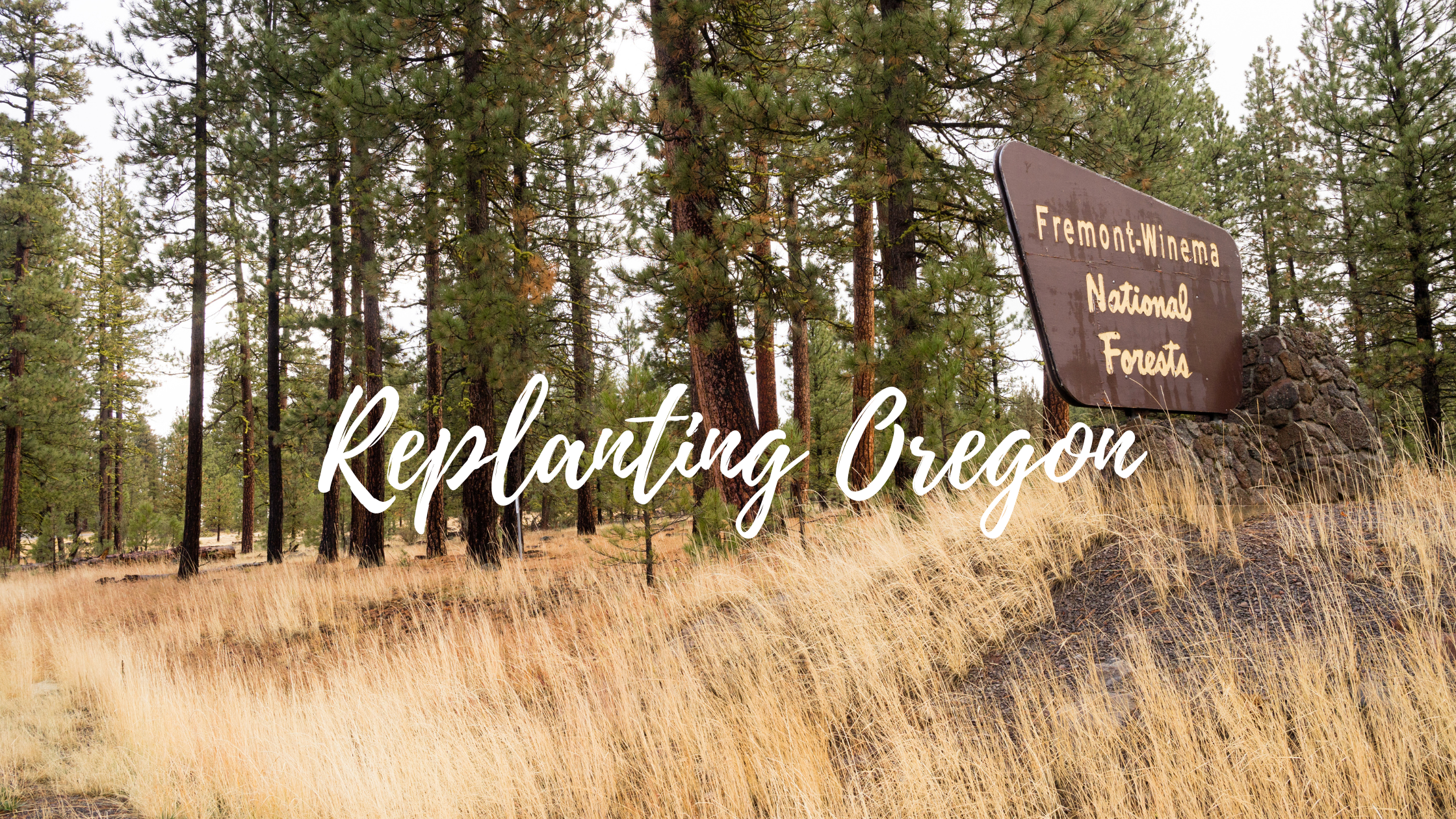
The Bootleg Fire: Replanting Oregon’s Fremont–Winema National Forest
The Bootleg Fire of 2021 was one of the largest wildfires in Oregon’s history, burning nearly 400,000 acres across the Fremont–Winema National Forest. Ignited by lightning during a period of extreme drought, the fire spread through dense conifer stands, dry brush, and drought-stressed forests—creating a megafire that transformed the landscape on a massive scale.
Even after the flames were extinguished, one truth remained: this forest will need years of care, new seedlings, and committed reforestation partners to fully recover.
Where the Bootleg Fire Burned
The fire ignited near Fuego Mountain on the Chiloquin Ranger District and rapidly spread across mixed conifer forests, lodgepole pine stands, and high-country meadows. Rural communities such as Beatty, Sycan Estates, Sprague River, and Chiloquin faced evacuations as shifting winds pushed flames toward homes and ranchlands.
The burn area also overlaps with the ancestral territory of the Klamath Tribes, affecting important ecological and cultural landscapes—especially the riparian corridors that support native fish species.
Why the Fire Became a Megafire
Several conditions combined to make the Bootleg Fire one of the most significant wildfires ever recorded in Oregon:
-
Severe drought and record heat dried fuels to critical levels
-
Strong winds and low humidity caused rapid fire spread
-
Dense, overstocked forests allowed flames to climb into the canopy
-
The fire generated pyrocumulus clouds and even its own lightning
More than 2,000 personnel worked to contain it, and full containment took over a month.
What the Fire Revealed
The aftermath of the Bootleg Fire highlighted two striking contrasts across the Fremont–Winema landscape:
Treated Forests Survived Better
In areas where the Forest Service and partners had completed thinning projects or prescribed burns, the fire burned at lower severity. These pockets—often called green islands—retained mature trees and provided safer zones for firefighters, underscoring how critical adequate Forest Service funding is for keeping our forests healthy and resilient.
Untreated Forests Burned Hotter
Where fuels were heavy or drought stress was extreme, the fire created large patches of high-severity burn, killing most standing trees and leaving little natural seed source for regeneration.
The Bootleg Fire has since become a case study in how active forest management can improve resilience in a warming, drying climate.
Recovery and Reforestation on the Fremont
Restoration work began immediately after the fire:
Natural Regeneration
Areas that experienced moderate burn are already showing signs of recovery, with seedlings, shrubs, and grasses returning as surviving trees drop new seed.
Active Reforestation
High-severity zones require intentional replanting with climate-tolerant, native species such as ponderosa pine, Douglas-fir, and lodgepole pine. Restoration partners are:
-
Collecting local seed
-
Growing millions of tree seedlings
-
Replanting priority zones with limited natural regeneration
-
Restoring riparian areas impacted by erosion and sediment
Long-Term Vision
Full recovery will take years, but these efforts will help stabilize soils, restore wildlife habitat, and rebuild the forest structure needed for future resilience.
Our Trees Planted on the Bootleg Fire Burn Scar
A Living Tribute is honored to support the restoration of Oregon's Klamath Falls Basin region following the Bootleg Fire.
In partnership with reforestation teams on the ground, we are planting native tree seedlings directly within the burn scar to help regenerate high-severity areas with limited natural recovery.
Our planting areas are located just west of Summer Lake and east of Yamsay Mountain, a landscape shaped by centuries of ecological change. You can explore these restoration sites in detail using the virtual map below:
https://www.google.com/maps/d/u/2/edit?mid=1nZb_Fysh-m9geufyIy3hQ3NbB59KC9A&usp=sharing

Tree Types Planted:
-
Lodgepole Pine
-
Ponderosa Pine
-
Western Larch
-
White Fir
How You Can Help Restore Oregon’s Forests
When you plant a tree in Oregon as a gift or living memorial through A Living Tribute, you are directly supporting ongoing restoration efforts in wildfire-affected areas—including the Bootleg Fire scar.
You can honor a loved one, celebrate a special occasion, or give a meaningful gift while helping new trees take root where they are needed most.
👉 Plant a Tree in Oregon:
https://shop.alivingtribute.org/products/plant-a-tree-oregon
A Living Tribute: Our Commitment to Wildfire Recovery
For more than a decade, A Living Tribute has helped families, friends, and communities plant memorial and tribute trees across North America. Many of our trees are planted in regions recovering from major wildfires, storms, and forest health challenges.
Our mission is simple:
Restore forests, honor lives, and help new trees take root for future generations.Thank you for being part of this recovery effort and for supporting the ongoing restoration of Oregon’s forests.
Replanting Oregon’s Fremont–Winema National Forest
-
-
 Read More
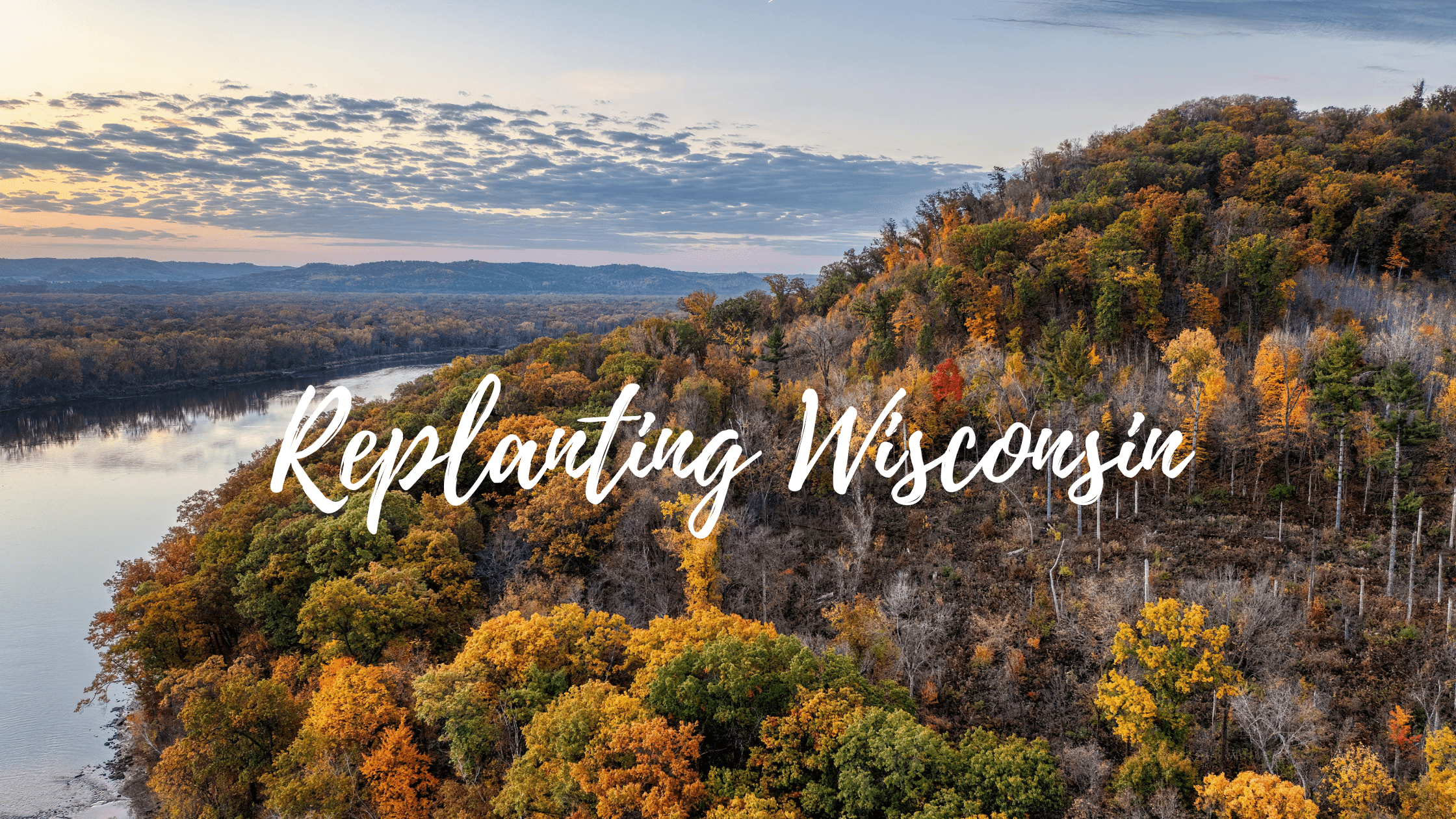
Restoring Wisconsin’s National Forests: White Pine, Red Oak, Hemlock & Tamarack Take Root
Wisconsin’s forest landscapes have gone through major changes over the last century. Historic logging, wildfires, invasive pests, and land-use changes left many areas in need of renewal. Today, reforestation efforts across Wisconsin’s National Forests — including the Chequamegon-Nicolet — are helping restore iconic tree species that once defined this region: eastern white pine, red oak, eastern hemlock, and tamarack.
By planting new trees in areas where forests were lost or damaged, foresters are rebuilding thriving ecosystems that will benefit people and wildlife for generations.
🌲 Bringing Back Eastern White Pine
White pine was once the dominant tree across northern Wisconsin — especially prized by early loggers for its tall, straight trunks. But massive timber harvests in the late 1800s and early 1900s drastically reduced white pine populations.
Reforestation projects are now working to re-establish white pine where it historically flourished. This fast-growing native species:
-
Provides excellent cover and winter shelter for wildlife
-
Stores large amounts of carbon as it matures
-
Helps rebuild multi-layered forest structure and long-term diversity
White pine seedlings planted today will grow into the towering giants Wisconsin’s forests were once known for.
🌲 Strengthening Forest Resilience with Eastern Hemlock
Eastern hemlock adds cool, shaded habitat and stabilizes streambanks — making it essential for healthy waterways and cold-water fisheries. But Wisconsin has seen steep declines in hemlock due to over-harvesting and the spread of hemlock woolly adelgid in other states.
Planting hemlock in suitable habitat supports:
-
Better water quality and more stable trout streams
-
Increased biodiversity in northern hardwood forests
-
Future seed sources that help rebuild the species’ range
Restoring hemlock helps preserve a uniquely northern forest environment rich in wildlife.
🌲 Restoring Wetlands with Tamarack
Tamarack (also known as American larch) is one of the few deciduous conifers — it turns golden in autumn and drops its needles in winter. Once widespread in northern bogs and wetlands, tamarack is now being replanted to offset losses from pests like the larch sawfly and changes in hydrology.
Why tamarack matters:
-
Supports marsh birds, beavers, and rare bog species
-
Stabilizes wetland soils and improves water storage
-
Adds resilience to habitats vulnerable to climate shifts
Replanting tamarack ensures Wisconsin’s wetlands continue to support rich ecosystems.
🌱 Why Reforestation Matters
Tree planting in National Forests helps ensure that:
✔ Forests damaged by harvest, storms, or pests recover quickly
✔ Wildlife habitat and food sources are restored
✔ More carbon is captured and stored in living forests
✔ Future generations can enjoy healthy woodlands and clean airEach new seedling nurtures long-term forest health while preserving Wisconsin’s natural heritage.
A Living Forest Legacy
The work being done today in Wisconsin’s National Forests ensures that iconic northern tree species — white pine, hemlock, and tamarack — continue to define the landscape for decades to come.
As these young seedlings grow into mature forests, they will protect wildlife, strengthen local ecosystems, and keep Wisconsin wild, green, and thriving.
Explore Wisconsin’s Living Reforestation Map
If you’d like to see where tree planting is actually happening on the ground, you can explore our interactive map of past and present reforestation locations across Wisconsin’s forests:
https://www.google.com/maps/d/u/2/edit?mid=1y-6CxtezVvxZro-2cH_T47IsMENWERk&usp=sharing
Zoom in to view specific project areas, follow along stream corridors and ridgelines, and get a real sense of how white pine, red oak, hemlock, and tamarack trees are being re-established across the landscape.

Restoring Wisconsin’s Forests: White Pine, Red Oak, Hemlock & Tamarack Take Root
-