


A Living Tribute
Blog
Recent Posts
-
 Read More
Restoring Minnesota’s Wind Storm-Damaged Forests
Northern Minnesota’s forests have faced powerful and destructive windstorms over the past two decades.
Events known as “blowdowns”—intense straight-line windstorms similar to inland hurricanes—have flattened large areas of both the Chippewa National Forest and the Superior National Forest, leaving behind miles of toppled trees, damaged habitat, and disrupted ecosystems. One of the most severe storms in the region’s history struck the Boundary Waters area of the Superior, changing the landscape almost overnight. Other major storms, including in 2012, caused additional widespread damage across northern Minnesota forests.
These storms didn’t just knock trees down. They reshaped entire landscapes.
Why Reforestation Is So Important After Blowdown Events
When large areas of forest are lost all at once, recovery can take decades without help. That’s why reforestation efforts in these forests focus on:
-
Replanting native tree species
-
Restoring wildlife habitat
-
Protecting water and soil health
-
Reducing future wildfire risk
-
Helping damaged landscapes recover naturally and sustainably
Tree by tree, these forests are being given a second chance.
Visit the Reforestation Areas
https://www.google.com/maps/d/u/2/edit?mid=1sWm_IO15AgN6bGj7XmQUd3a75GyJCfY&usp=sharing
Tree Species Planted
-
Jack Pine
-
White Spruce
-
White Pine
-
Tamarack
-
Northern Red Oak
-
Northern White Oak
-
Black Spruce
-
Balsam Fir
-
Other native species planted: Bur Oak, Common Hackberry, Red Pine, American Basswood, Shagbark Hickory, Bitternut Hickory, Chokecherry, American Plum, Highbush Cranberry
🌲 Plant a Living Memorial for Someone
Help restore our nation's forests in need while honoring someone special.
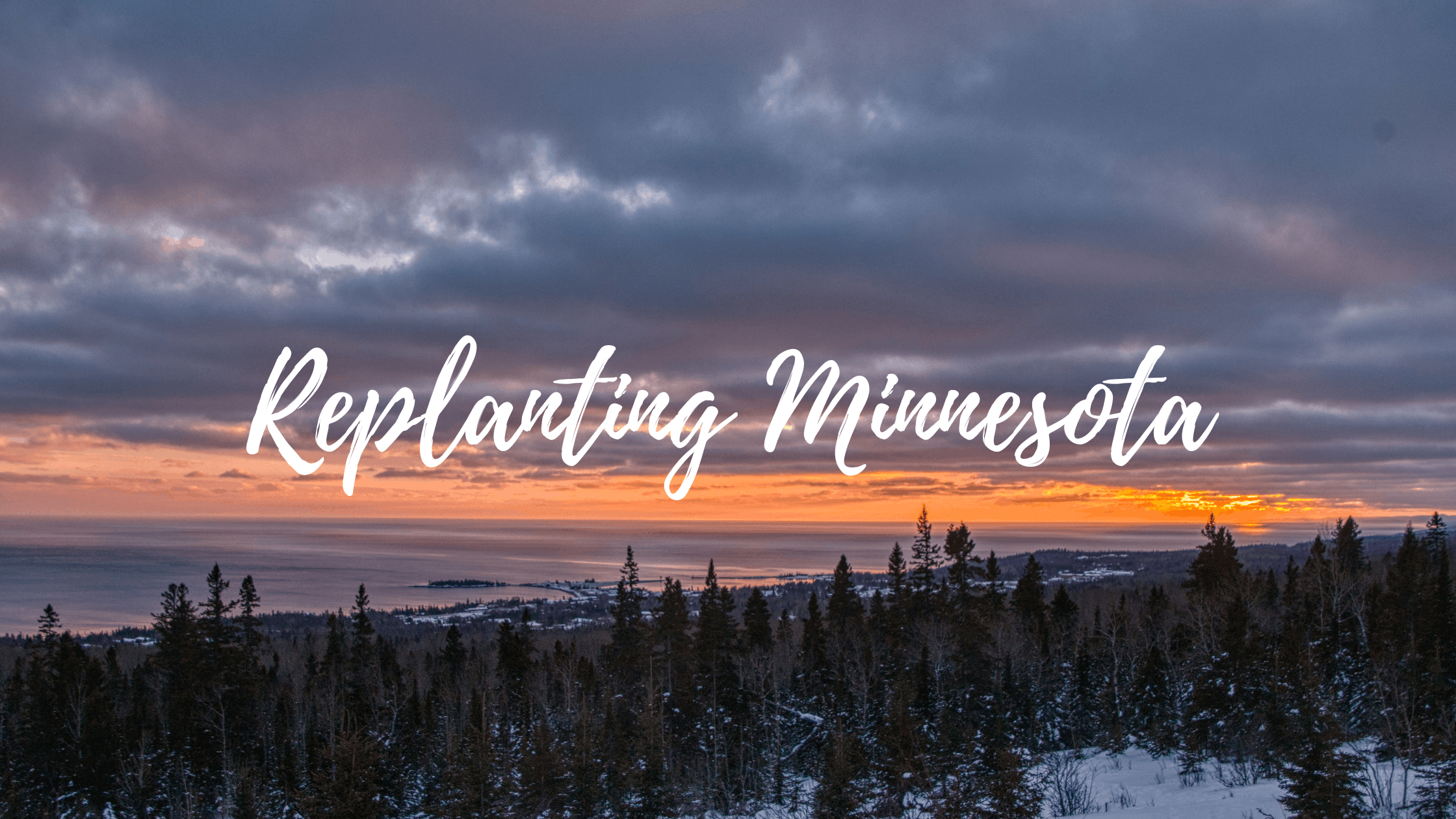
Replanting Minnesota: Wind Storm Tree Recovery
-
