


A Living Tribute
Blog
Recent Posts
-
 Read More
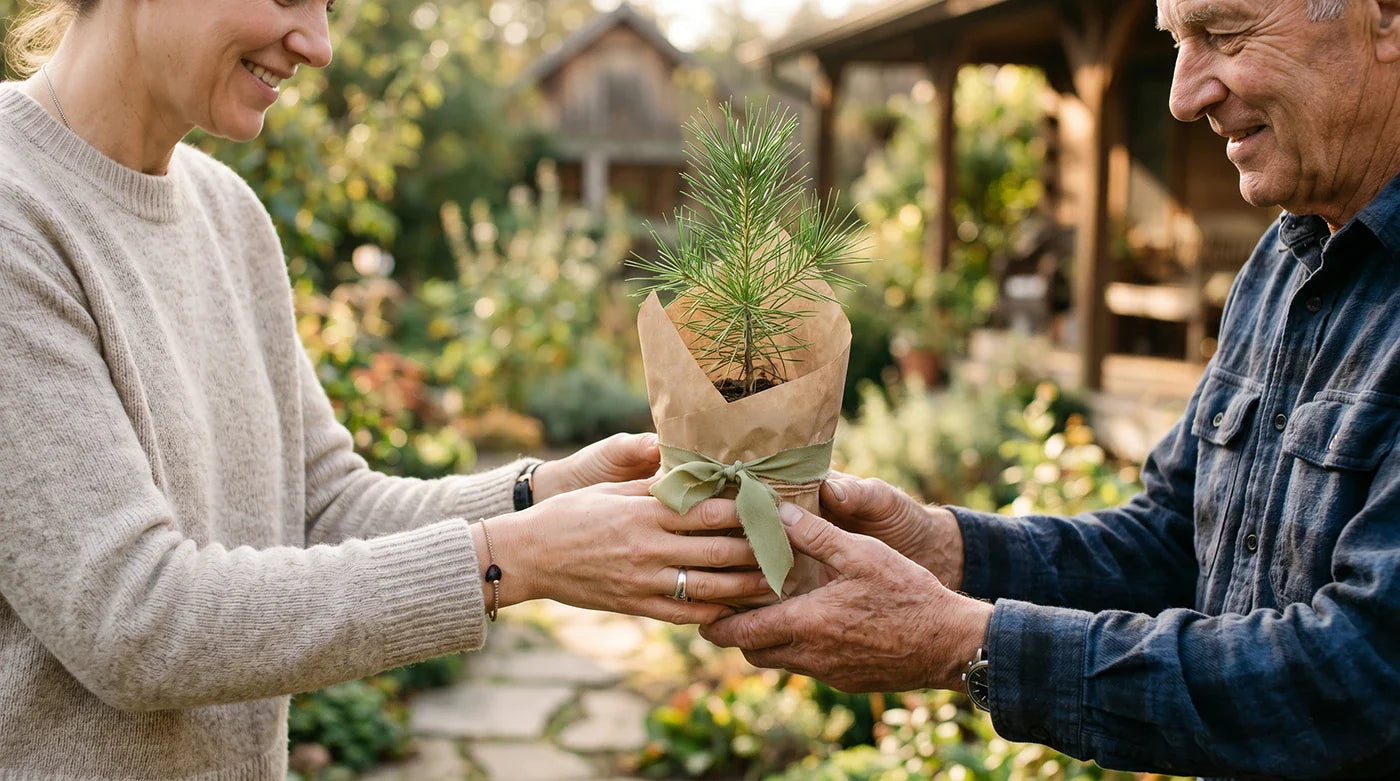
When you give a tree as a gift, you are choosing something that most gifts never manage to be: permanent.
Flowers fade within a week. Gift cards go unspent. Candles burn down, wine gets opened, and most things wrapped in a box eventually disappear. A tree planted in someone's name keeps growing. It deepens its roots through seasons, contributes to a forest that needed it, and carries the meaning of the moment that inspired it for decades to come.
There is no single right occasion for a living tribute. Loss calls for it. Celebration calls for it. Love, gratitude, environmental commitment, and the desire to do something that lasts beyond the moment all call for it.
This guide covers every reason to give a tree as a gift, every occasion that fits, and exactly how the gifting process works through A Living Tribute.
Tree Gifting Takeaways:
-
Giving a tree as a gift works for virtually any occasion: sympathy, birthdays, graduations, weddings, promotions, anniversaries, Mother's Day, Father's Day, new babies, retirement, and more
-
Trees planted in U.S. National Forests through A Living Tribute are real, verified tributes planted by professional foresters, not symbolic gestures
-
Every tribute includes a personalized certificate mailed directly to the recipient, with no logistics required from the gift-giver
-
A living tribute starts at $9.99 and grows for generations, compared to a standard sympathy arrangement that costs $50 to $150 and lasts five to ten days
-
The gift simultaneously honors a person and contributes to verified reforestation where it is needed most
Why give a tree as a gift?
Giving a tree as a gift means offering permanence in a world of fleeting gestures. Most gifts are temporary by design. A tree planted in someone's name is the opposite: it grows stronger with every passing season, contributes to a forest that needs restoration, and serves as a living record of the relationship, occasion, or person it was planted to honor.
The contrast is clearest in sympathy contexts, where cut flowers have long been the default. A standard sympathy arrangement lasts five to ten days. A memorial tree, planted in a U.S. National Forest, grows for generations.
But that permanence carries forward into every other occasion, too. A birthday gift that becomes more meaningful each year. A wedding tribute whose roots deepen alongside the marriage it honors. A graduation plant that matures as the graduate does. A retirement gift that stands as long as the career it celebrates.
Trees also do something no other gift can. They give back to the planet at the same moment they give meaning to a person. Every tree planted through A Living Tribute supports reforestation in National Forests recovering from wildfire, disease, and deforestation. The gift honors someone and heals somewhere. That dual purpose is what separates a living tribute from everything else.
When someone is grieving: the sympathy tree gift
When a loss happens, the instinct to do something meaningful is immediate. Flowers arrive, fade, and disappear before the grief does. A tree planted in memory of someone who has passed away grows instead of wilting. It becomes a living record of a life that mattered and a contribution to a forest that will stand for generations.
When Marcus's colleague lost his father in February, he was 800 miles away and could not attend the service. He spent an evening searching for something that felt like more than a gesture. He found A Living Tribute, wrote a short personal message, and had a personalized sympathy card mailed directly to the family. Three weeks later, his colleague sent him a note: the card was on the mantle. It still was.
That is what a sympathy tree gift does. It arrives when the family needs it. It stays long after most condolences have been forgotten. And it grows in a National Forest, contributing to the restoration of a landscape that needs it.
For anyone reaching for comfort during a loss, plant a tree in memory of a loved one through A Living Tribute. The personalized certificate includes the name of the person being honored and a message you write yourself. We handle everything else, including mailing the card directly to the recipient.
Honoring a beloved pet
Losing a beloved companion is one of the hardest goodbyes. The bond between a person and their pet is as real as any other love, and it deserves to be honored with that same weight.
A tree planted in a pet's name becomes a living tribute rooted in a forest that will stand for decades. It is a gentle, enduring way to say that life mattered. A pet loss memorial tree gift through A Living Tribute includes a personalized certificate with the companion's name and a heartfelt message, sent directly to the pet owner who is grieving.
Celebrating milestones: give a tree for life's big moments
A milestone worth celebrating deserves something as lasting as the moment itself. Gift cards expire. Flowers wilt before the week is over. A living tribute grows alongside the person who received it and marks the day it was planted for years to come.
The best tree gifts for celebrations do one thing consistently: they tie the occasion to something larger than the moment. A tree rooted in a National Forest will still be growing when the recipient's children are grown. That scale of meaning is what makes a tree the right gift for life's most significant occasions.
Birthdays
A birthday tree grows every year alongside the person it honors. Unlike almost anything else you could give, it is becoming more meaningful with time, adding rings, reaching higher, and holding its place in a forest that needed it there.
Jamie turned 60 in March. Her daughters had spent years searching for a gift that matched the weight of the occasion. This year they planted a grove of trees in her honor in a National Forest near the region where she grew up. The certificate arrived on her birthday morning. She kept it on the kitchen table for weeks.
Graduations
A graduation marks the beginning of a new chapter. A tree planted in a graduate's honor takes root at exactly that same moment. As they build their career and their life, their tree is growing in a National Forest, adding to its canopy season by season.
New baby
When a child enters the world, a tree planted in their name begins a parallel life. By the time that child is grown, the tree will be part of a mature forest. It is one of the only gifts that genuinely scales with the significance of the occasion it honors.
Retirement
Decades of work deserve more than a gift card. A tree planted in someone's honor at retirement acknowledges the full scope of what they built and points toward something that will outlast the career that inspired it. It is a tribute to a life well lived and a legacy still taking root.
To plant a tree in honor of someone for any celebration, A Living Tribute offers a personalized tribute card with your message included and direct delivery to the recipient.
Give a gift that celebrates today and grows for generations. A living tribute honors the person and helps restore the forest.
Giving a tree for love and lasting relationships
Weddings and anniversaries
A marriage begins with roots and grows through seasons. A tree planted to honor a wedding mirrors that journey, taking hold in young soil and deepening over decades. It is a gift that reflects the relationship it was planted for.
For anniversaries, particularly milestone years, a tree planted in a National Forest carries the weight of the years behind the couple and the promise of the years ahead. It is not a gesture. It is a living record of everything that has grown between two people.
Mother's Day
A tree planted in a mother's honor grows in a forest that will stand for her children's lifetimes and her grandchildren's. It combines a personal tribute with real reforestation impact. A living tribute for Mother's Day arrives as a personalized card with your message, mailed directly to her, honoring both the person and the planet she helped shape.
Father's Day
Trees and fathers share something: they both provide shade, shelter, and strength over time. A tree planted in a father's honor is one of the only Father's Day gifts that grows deeper with every passing year. A personalized tribute card carries that meaning with his name and your message included.
Give a tree for the planet: eco-conscious gifting
For the environmentalist in your life, giving a tree as a gift is not just meaningful. It is genuinely impactful.
Over 1 million acres of U.S. National Forest land currently require replanting following wildfire, disease, and other damage. Every tree planted through A Living Tribute goes directly toward that restoration, managed by contracted professional tree planters under the supervision of the U.S. Forest Service and non-profit partners including the National Forest Foundation, a partner since 2014, and American Forests, the nation's oldest conservation organization.
This is not symbolic planting. The trees are placed where the forests need them most, selected by professional foresters for the best ecological fit, and maintained for three to five years after planting to help ensure strong survival rates.
For Earth Day, Arbor Day, or any occasion driven by environmental values, a living tribute is the gift that connects personal meaning to verified ecological impact. Give a tree as a gift for someone who wants their celebrations to give back.
Give a tree for your organization: corporate and group gifting
Elena managed a team of 40 people at a regional logistics company. When a senior colleague passed away in January, she needed a way for the organization to honor him that felt genuine rather than corporate. She contacted A Living Tribute, arranged a group of personalized tributes, and had certificates sent to team members across three states. People framed them. A few sent thank-you notes. One was placed in the lobby of the building where he had worked for 22 years.
For organizations, a living tribute scales without losing meaning. Corporate memorial tree programs through A Living Tribute allow HR teams, managers, and leadership to honor employees, recognize clients, or mark organizational milestones with something that carries real weight. Custom cards are available for bulk arrangements, and the entire process is handled online.
How to give a tree as a gift through A Living Tribute
The process was designed for people in any kind of moment: grief, celebration, or simply the desire to give something lasting. It takes minutes from start to finish.
-
Choose your tribute format. Select a sympathy card, an honor tribute, a pet loss certificate, a seasonal product, or a premium framed display based on the occasion.
-
Personalize the certificate. Enter the honoree's name and write your own message. No design skill required.
-
Select your delivery format. Choose a digital e-certificate for instant delivery or a physical card mailed directly to the recipient's address.
-
We handle everything from there. A Living Tribute coordinates the planting with our conservation partners. Trees are typically planted during spring and fall, at the optimal time for each forest site.
The certificate confirms the National Forest region where the tree is planted. Trees are placed in natural settings without physical markers or GPS coordinates, as this is how active reforestation within National Forests works. The tribute is real; the forest simply grows without signage.
For questions about timing, delivery, or what is included, visit our guide to memorial tree planting costs and benefits.
Frequently asked questions
Question: What occasions are trees good gifts for?
Answer: A tree is a meaningful gift for virtually any occasion, including sympathy and memorial, birthdays, graduations, new babies, retirement, weddings, anniversaries, Mother's Day, Father's Day, Earth Day, Arbor Day, holidays, and corporate or group recognition.Question: How does giving a tree as a gift work?
Answer: You choose a tribute format, personalize the certificate with a name and message, and select your delivery preference. A Living Tribute coordinates planting in a U.S. National Forest through verified conservation partnerships. The personalized card is mailed directly to the recipient, or delivered digitally for immediate delivery.Question: Is a tree a good sympathy gift?
Answer: A memorial tree is one of the most lasting sympathy gifts available. Unlike flowers that fade within days, a tree planted in memory of someone who has passed away grows stronger with every season and contributes to forest restoration for decades.Question: How much does it cost to give a tree as a gift?
Answer: Living tribute packages start at $9.99 for a digital e-certificate. Mailed cards, premium photo cards, and framed displays are available at additional tiers. A standard sympathy arrangement typically costs $50 to $150 and lasts five to ten days. A living tribute costs less and lasts for generations.Question: Can I give a tree as a gift online?
Answer: Yes. The entire process is completed online, and the personalized card is mailed directly to the recipient's address anywhere in the U.S. A digital e-certificate can also be delivered instantly by email, including to international recipients honoring someone in the United States.A gift that grows longer than any other
There is a category of gifts people give because they have to. And a category they give because they want the gesture to mean something.
When you give a tree as a gift, you are firmly in the second category.
You are sending something that will still be growing when the occasion that inspired it is decades in the past. Something rooted in real soil, planted by real foresters, contributing to a forest that the land needs. Something personalized with a name and a message that the recipient will keep long after most other gifts have faded.
Every occasion has a gift. For the ones that matter most, give a living tribute. Honor the person. Heal the forest. Let both of them grow.
Plant a tree in their memory or honor, starting at $9.99.
Give a Tree as a Gift: Every Occasion, One Living Legacy
-
-
 Read More
Trees are critical to America's drinking water because forested watersheds naturally filter, store, and regulate the water supply for approximately 180 million Americans, while reducing treatment costs and protecting communities from contamination events that bare or degraded land cannot prevent.
Nearly 1 in 2 Americans turns on their tap each morning and drinks water filtered not by a treatment plant, but by a forest. Most of them have no idea.
This is not a metaphor. Fifty percent of the nation's surface water supply originates on forested land, according to the U.S. Forest Service, even though forests cover only 29 percent of the country's land area. The work those trees do is invisible, continuous, and largely uncompensated. It is also one of the most valuable services in the American water infrastructure.
This article explains exactly how national forests and drinking water are connected, what happens when those forests are lost, and why planting a tree in a National Forest is not only a tribute to someone you love but a direct contribution to the watershed system that serves communities downstream.
Quick Overview:
-
Approximately 180 million Americans in 68,000+ communities rely on forested lands to capture and filter their drinking water, according to the U.S. Forest Service
-
National forests generate 50% of the nation's surface water supply from just 29% of its land area, with an estimated annual water value of $7.2 billion
-
For every 10% increase in forest cover in a water source area, water treatment costs decrease approximately 20%
-
After the 2018 Camp Fire in California, benzene levels in Paradise's water system reached 440 times the EPA's safe exposure limit, demonstrating how directly forest loss translates into water contamination
-
Every tree planted in a U.S. National Forest through A Living Tribute contributes to the watershed filtration infrastructure those forests provide, honoring a life while helping protect water for communities downstream
How many Americans rely on forests for their drinking water?
An estimated 180 million Americans in more than 68,000 communities rely on forested lands to capture and filter their drinking water, according to the U.S. Forest Service. That is more than half the country's population drawing from a natural filtration system made of soil, roots, and canopy.
The concentration is especially striking in the West. Eighty-nine percent of people in western states served by public water systems depend on National Forest and grassland watersheds. Cities including Denver, Salt Lake City, and Portland receive a significant portion of their municipal water from rivers and reservoirs fed by federally managed forest lands.
Nationally, forests cover 29 percent of the country's land area but generate approximately 50 percent of its surface water supply. The U.S. Forest Service estimates the economic value of water supplied from National Forests and Grasslands at $7.2 billion per year, making clean water the single largest economic benefit those federally managed lands provide.
Our forests are not passive landscapes. They function as active water infrastructure. The forests are doing work that would otherwise require some of the largest public investment in American history.
How forests filter water: five mechanisms explained
Understanding why national forests and drinking water are inseparable requires understanding what trees actually do to water. There are five primary mechanisms, each working in concert with the others.
1. The forest floor acts as a natural filtration system
The soil beneath a mature forest is nothing like bare ground. Decades of decomposing leaf litter, root activity, and microbial communities create a living filter several feet deep. As water percolates downward through this organic matrix, impurities bind to clay particles, organic matter absorbs contaminants, and microbial communities process nutrients before the water reaches deeper aquifers.
Forest soils consistently outperform grassland, shrubland, and cultivated soils in both infiltration rate and filtration capacity. The older and more intact the forest, the more effective the filter beneath it.
2. Tree roots slow runoff and recharge groundwater
When rain falls on bare or compacted soil, it runs off quickly, carrying sediment, pollutants, and pathogens into rivers and reservoirs before filtration can occur. When rain falls on a forested watershed, root networks slow that movement and channel water downward rather than across the surface.
Tap roots can facilitate groundwater recharge at depths of more than two meters. Research from the USFS Rocky Mountain Research Station indicates that each 1 percent increase in forest cover in a watershed corresponds to roughly a 3 percent decrease in water turbidity, a direct measure of how clean the water is when it arrives at treatment facilities.
3. Forest canopy intercepts and moderates rainfall
Coniferous tree canopies can intercept up to 45 percent of annual precipitation before it reaches the ground. This interception does two things for water quality. First, it moderates the intensity of rainfall events, reducing flash runoff that scours stream beds and carries sediment and pollutants. Second, it slows the movement of water through the watershed, extending the time available for natural filtration to occur.
The forest canopy also drives evapotranspiration, returning water to the atmosphere through tree leaves, which helps regulate the regional water cycle and keeps streams from swinging between flood and drought extremes.
4. Soil organic matter filters sediment and pollutants
Soil organic matter is one of the most effective natural filters available. Research published in 2022 found that increasing soil organic matter from 1 to 3 percent reduces erosion by 20 to 33 percent. Forests build soil organic matter continuously through leaf fall, root decay, and the activity of soil organisms, sustaining a filtration medium that agricultural or urban land cannot replicate.
The clay minerals and organic compounds in forested soil also have a chemical affinity for many pollutants. Heavy metals, pesticides, fertilizer runoff, and certain contaminants bind to soil particles and are neutralized before reaching drinking water sources. Cleared land loses this buffering capacity almost entirely.
5. Forest cover reduces the need for water treatment
The economic implication of natural filtration is measurable. A landmark study of 27 U.S. drinking water utilities found that for every 10 percent increase in forest cover within a water source area, treatment and operating costs decrease by approximately 20 percent, according to research from the Trust for Public Land. Some watersheds with very high forest coverage require no conventional filtration at all.
The U.S. Forest Service Rocky Mountain Research Station found that reducing total organic carbon by 1 percent reduces treatment costs by 0.46 percent, illustrating how sensitive water treatment economics are to what happens upstream in the forest.
The New York City case: what $1 billion in forest protection saved
In the early 1990s, New York City faced a federal requirement it could not defer. The Environmental Protection Agency required NYC to upgrade its drinking water to meet new federal standards. The city's Catskill and Delaware watersheds, which supply more than 90 percent of the water for 9 million New Yorkers, had served the city without filtration for nearly a century. If they were going to keep doing so, something had to change.
The engineering estimate for a filtration plant came back between $6 billion and $10 billion, plus $100 million or more in annual operating costs.
Then a different option emerged.
Rather than build the plant, NYC invested approximately $1 billion over ten years in purchasing and protecting land in the Catskill and Delaware watersheds. Between 1997 and 2007, the city acquired or protected more than 355,000 acres of forest. It paid farmers and landowners to adopt practices that kept the water clean: riparian buffers, reduced fertilizer use, upgraded septic systems.
The result was a filtration waiver, renewed continuously since 1993 and confirmed as recently as 2022 by the New York City Department of Environmental Protection, that allows the city to provide unfiltered drinking water to millions of residents because the forest does the work. Capital construction costs for the plant that was never built exceed $10 billion in current terms. Annual operational savings exceed $100 million.
The Catskills case is cited across conservation economics as the most thoroughly documented example of what it means for a forest to function as water treatment infrastructure. The trees do the work the plant would have done, at a fraction of the cost, indefinitely.
What happens when forests burn: wildfire and drinking water contamination
The New York City story is a story of protection maintained. What follows is a story of what happens when that protection is lost.
The Camp Fire, November 2018
On November 8, 2018, the Camp Fire destroyed the town of Paradise, California and surrounding communities, killing 85 people and burning more than 150,000 acres. For residents who survived, the immediate crisis was shelter. A second crisis was unfolding underground.
Benzene, a carcinogen associated with burned plastics and petroleum products, entered Paradise's drinking water distribution system during and after the fire. Testing revealed benzene concentrations of up to 2,217 micrograms per liter in the distribution network, according to research published in PMC/NIH. The EPA's chronic exposure standard for benzene in drinking water is 5 micrograms per liter. The contamination reached 440 times the safe limit.
Twenty-nine percent of service connections to destroyed structures showed contamination. The "Do Not Drink / Do Not Boil" advisory was not lifted for surviving homes until May 2020, nearly 17 months after the fire. The people who kept their homes lost their water.
The mechanism matters as much as the number. When a forest burns, its capacity to filter, slow, and absorb water is eliminated. Ash, burned soil, and structural debris become highly mobile in the first rain events that follow. Volatile organic compounds from burned structures volatilize and enter the vapor space of plastic water pipes through a process that investigators documented for the first time at this scale in Paradise.
The broader pattern
Post-fire water temperatures increase an average of 7.9 degrees Celsius, according to research published in Water Resources Research, with effects on stream ecology lasting up to 11 years. Dissolved oxygen degrades. Sediment and nutrient loads spike. Aquatic ecosystems that evolved under forest cover cannot adjust quickly to the altered conditions.
Deforestation by any cause carries quantifiable consequences for water access. A 2019 study published in the Proceedings of the National Academy of Sciences found that each 1 percentage point increase in deforestation corresponds to a 0.93 percentage point decrease in access to clean drinking water. According to USGS research on water quality after wildfire, this relationship holds consistently across regions, making forest loss a public health issue as much as an environmental one.
Why reforestation is a water investment, not just a memorial
Over one million acres of U.S. National Forest land currently need replanting. These gaps exist where wildfire, disease, pest infestation, and other natural disturbances have killed trees faster than the forest can regenerate on its own. Many of the most urgent replanting areas are in active watersheds, which means the forests needing recovery are the same forests filtering water for communities downstream.
A Living Tribute plants trees in U.S. National Forests through verified partnerships with the U.S. Forest Service, the National Forest Foundation (a Tree Planting Partner since 2014), and American Forests. Trees are placed in areas of highest ecological need by contracted professional planting crews and maintained for three to five years after planting under Forest Service supervision, helping ensure they survive long enough to contribute to the forest system.
A family in Denver recently planted a tree in memory of their grandfather in the Arapaho and Roosevelt National Forest. That forest is part of the watershed that supplies water to the Denver metropolitan area, home to more than 750,000 people. The tribute carries his name and the family's message on a personalized commemorative certificate. It is also part of a watershed system that will filter water for people downstream for decades.
That is the dual work a living memorial does. It is not only a tribute. It is not only an ecological contribution. It is both, growing in a forest that serves a real community's real water supply.
To understand the full range of ways planting in a National Forest creates environmental impact, see how memorial trees fight climate change and the complete overview of eco-friendly memorial options in the memorial tree guide.
Plant a tree in a U.S. National Forest in honor of someone you love. The tribute grows in two directions at once: honoring the person and protecting the watershed downstream.
FAQs about national forests and drinking water
Question: How many Americans rely on national forests for drinking water?
Answer: Approximately 180 million Americans in more than 68,000 communities rely on forested lands to capture and filter their drinking water, according to the U.S. Forest Service. In the western United States, that figure rises to 89 percent of people served by public water systems. The economic value of water supplied from National Forests and Grasslands is estimated at $7.2 billion annually, making clean water the largest single economic benefit these lands provide.
Question: How do trees filter water naturally?
Answer: Trees filter water through five interconnected mechanisms: the organic soil layer acts as a biological filter; root networks slow runoff and channel water into groundwater recharge zones; the tree canopy intercepts rainfall and moderates flow intensity; soil organic matter binds sediment, heavy metals, and contaminants; and forest cover collectively reduces the organic carbon load that treatment facilities must remove. The result is that forested watersheds deliver measurably cleaner water at measurably lower treatment costs than cleared or degraded land.
Question: Does planting trees improve water quality?
Answer: Yes. Research shows that each 1 percent increase in forest cover in a watershed corresponds to roughly a 3 percent decrease in water turbidity. The Trust for Public Land found that for every 10 percent increase in forest cover in a drinking water source area, water treatment costs decrease approximately 20 percent. Trees planted in National Forest watersheds contribute to this system as they establish and mature, gradually restoring filtration capacity that wildfire, disease, or disturbance removed.
Question: How does wildfire affect drinking water?
Answer: Wildfire removes the canopy, root systems, and organic soil layer that filter and slow water through a watershed. In the aftermath of severe fires, contaminants from burned structures enter water distribution systems. After the 2018 Camp Fire in California, benzene levels in Paradise's water system reached 2,217 micrograms per liter, 440 times the EPA's safe exposure standard.
Research published in the Proceedings of the National Academy of Sciences found that each 1 percentage point increase in deforestation reduces access to clean water by 0.93 percentage points. Reforestation directly addresses this vulnerability over time.
Why Trees Are Critical to America's Drinking Water
-
-
 Read More
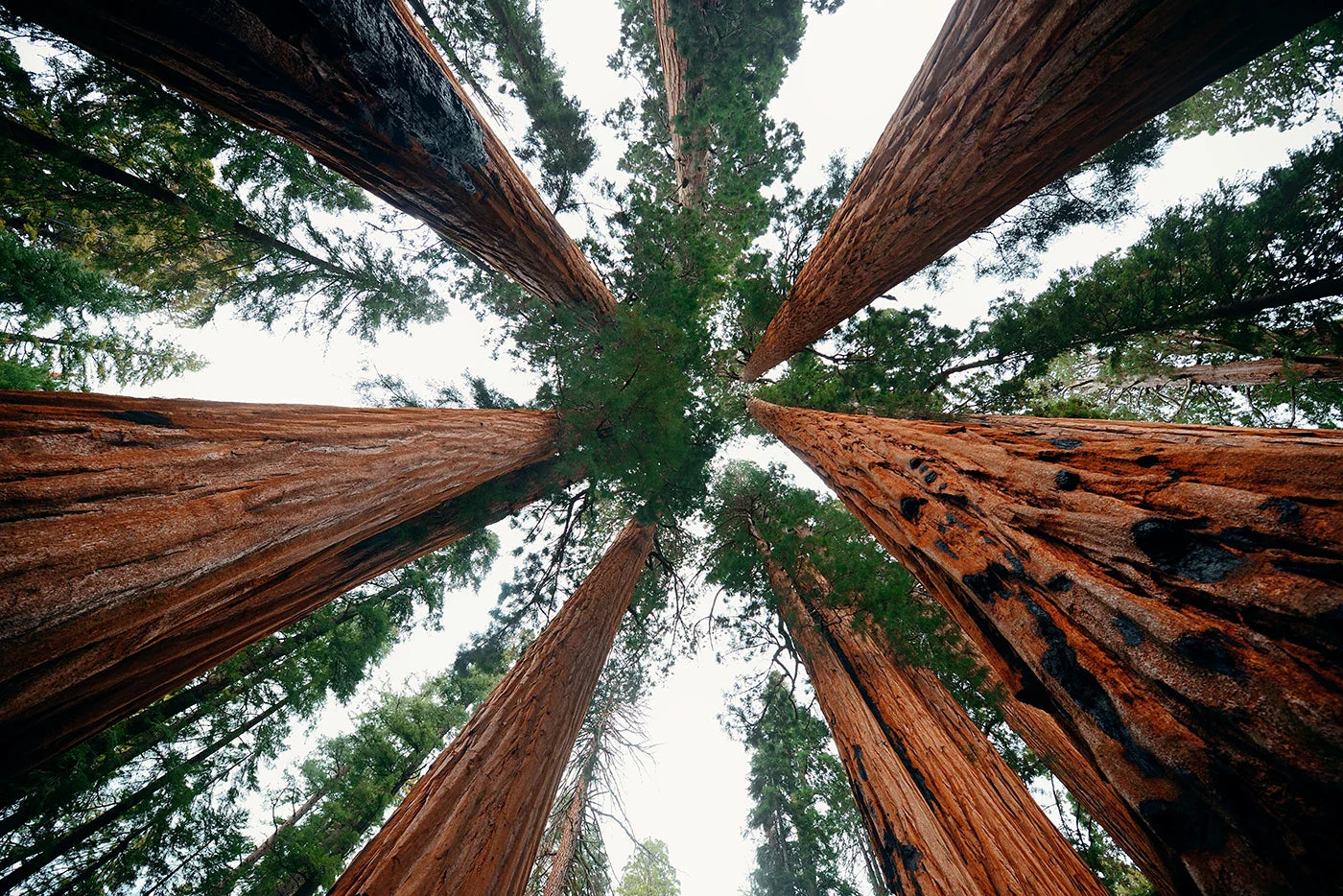
When we lose someone we love, we reach for something that can hold the weight of that loss. A redwood memorial tree does something no other tribute can: it roots that love in one of the oldest, tallest, and most enduring living things on Earth. These trees were ancient when the Roman Empire fell. They will still be growing long after every monument built today has crumbled. Planting a redwood or sequoia in someone's name is not a passing gesture. It is a commitment written in wood and bark, growing deeper with every passing season.
For anyone searching for a way to honor a life that mattered, this guide explores what makes redwoods and sequoias uniquely powerful memorials, the cultural and ecological significance they carry, and how to plant one in coastal California's recovering forests.
Article Highlights:
-
Giant sequoias can live more than 3,200 years, making them among the longest-lived organisms on Earth and one of the most enduring memorials possible
-
Coastal redwoods are the tallest trees on the planet, with root systems that intertwine underground to support one another across centuries
-
Planting a redwood memorial tree supports active reforestation in coastal California forests recovering from historical logging and wildfire
-
Every tribute through A Living Tribute includes a personalized, FSC-certified commemorative card mailed directly to the recipient, starting at $9.99
-
No sympathy gift grows stronger, taller, or more significant with time
What makes giant sequoias and coastal redwoods unlike any other tree
Some facts about these trees are difficult to fully absorb.
The General Sherman Tree in California's Sequoia National Park is estimated to be between 2,300 and 2,700 years old. It contains more than 52,000 cubic feet of wood, making it the largest living organism on Earth by volume. It was already ancient when the first European explorers arrived in North America.
Giant sequoias grow to heights exceeding 300 feet, with trunks up to 26 feet in diameter. Their bark, which can reach three feet thick, is so dense and fire-resistant that many specimens have survived countless wildfires across millennia. Roughly 75,000 giant sequoias remain today, growing in approximately 75 groves along California's Sierra Nevada range.
Coastal redwoods hold a different record: they are the tallest trees on Earth. Some have reached heights above 380 feet. They can live for more than 2,000 years. Their root systems are shallow, rarely more than six to twelve feet deep, yet they spread outward more than 100 feet, intertwining with the roots of neighboring trees. That underground network is how they support each other through centuries of storms, drought, and fire.
No other tree on Earth carries this weight of time.
Giant sequoia vs. coastal redwood: understanding the difference
Giant sequoias (Sequoiadendron giganteum) grow inland in California's Sierra Nevada mountains and are the largest trees by volume. Coastal redwoods (Sequoia sempervirens) grow along California's Pacific coast and are the tallest trees on Earth. Both can live for more than 2,000 years. Both belong to the same plant family. Both represent a kind of permanence that no human structure can match. A Living Tribute's redwood seedlings are planted in coastal California, in forests spanning the Santa Cruz Mountains, Mendocino, Big Sur, and the Usal Redwood Forest.
A memorial that grows stronger than any monument
The flowers sent after a loss are beautiful. They are also gone within a week. Plaques weather over decades. Even stone monuments eventually erode.
A redwood memorial tree grows in the opposite direction.
In its first year, a young seedling establishes roots and begins reaching toward the light. In a decade, it provides shade and early habitat. In a century, it shelters the kinds of species, owls, salmon, and the elusive Pacific Fisher, that depend on old-growth forest structure. In a thousand years, if the conditions hold, it may still be standing.
Consider what that means in practice. When a family in northern California recently planted a grove of redwood seedlings in memory of a grandmother who had spent her life hiking those same coastal hills, they chose not a marker or a plaque, but something she had always said deserved protecting. The seedlings planted that season are now part of a recovering forest. They will still be growing when her great-grandchildren's children are born.
A tree planted today in someone's memory could still be growing in the year 5000. That is not a metaphor. It is simply what these trees do.
For those searching for a tribute that truly reflects the magnitude of a life, there is something honest and profound about choosing the one living thing on Earth that genuinely outlasts everything else. Our complete guide to memorial tree planting covers the full range of living tribute options, but for a tribute that carries real geological weight, a redwood memorial tree stands apart.
The cultural legacy of California's ancient giants
Long before European settlers arrived in California, the Yurok and other tribes of the Sierra Nevada and coastal ranges regarded these trees with deep reverence. They were not resources. They were living ancestors. Fallen trees could be used for homes and canoes, but living trees were protected out of respect, treated with the same regard given to elders who had survived what younger generations could not.
John Muir, who spent much of his life walking among these forests, called the giant sequoia "the noblest tree-species in the world." His writing about these trees helped spark the American conservation movement and led directly to the creation of Sequoia National Park in 1890. Two of the first three national parks in U.S. history were established specifically to protect these trees. They were, in Muir's framing, America's cathedrals.
That legacy continues. The General Grant Tree in Sequoia and Kings Canyon National Parks has been honored as "the Nation's Christmas Tree" for more than a century. Communities have gathered around it each December for over 100 consecutive years. These are not simply trees people admire from a distance. They are trees people bring their grief and their gratitude to. Trees that have served as gathering places for human memory across many generations.
Planting one in someone's name continues that tradition.
The ecological power of a redwood memorial tree
Honoring someone with a redwood memorial tree does something beyond the personal. It contributes to the restoration of one of the most carbon-dense and biodiverse ecosystems on Earth.
Mature coastal redwood forests store more carbon per acre than almost any other forest ecosystem on the planet. A single mature giant sequoia can hold over 1,000 tons of carbon in its trunk and root system alone. These forests filter rainwater, stabilize hillsides, and support the layered canopy structure that rare species require to survive. Salmon runs, spotted owls, and the Pacific Fisher all depend on the moisture and complexity of intact redwood groves.
The need for reforestation is real and ongoing. Approximately 75 percent of California's old-growth redwood forests were logged in the 19th and early 20th centuries. The forests where A Living Tribute plants redwood seedlings, including the Santa Cruz Mountains, Mendocino, Big Sur, and the Usal Redwood Forest, are recovering landscapes. Professional tree planters working under the supervision of the U.S. Forest Service place native species seedlings where healing and renewal of these forests are needed most. Young saplings planted in these areas are helping rebuild what was lost.
This is what makes a redwood memorial tree unlike any other tribute: it honors a person and helps restore a landscape that has been waiting to recover. The article on how memorial trees fight climate change goes deeper into the science of why planted trees matter at this scale. For information about the specific conservation organizations behind these plantings, the conservation partnerships page details how every order connects to verified reforestation efforts.
How to plant a redwood tree in memory of someone
Planting a redwood tree in memory of someone through A Living Tribute takes only a few minutes and is completed entirely online.
-
Choose your tribute. Select the redwood tree planting option and indicate whether the tribute is in memory, in honor, or in celebration.
-
Personalize the certificate. Enter the honoree's name, your own name, and a personal message.
-
Select your delivery format. Choose between a digital E-Certificate delivered instantly or a physical commemorative card mailed directly to the recipient.
-
Provide the recipient's address. The card is sent directly to the family or honored person, wherever they are.
-
The rest is handled. Seedlings are planted by professional tree planters in coastal California, typically during the optimal planting seasons for each forest site.
Each order includes a personalized, FSC-certified, acid-free commemorative card, processed within one to two business days and delivered by USPS First Class Mail or FedEx. Over 900,000 trees have been planted since 2014 through A Living Tribute's verified conservation partnerships.
There are no physical markers at the planting site. This is standard for natural forest restoration, and the certificate confirms the planting region and forest. For answers to common questions about the process, visit our FAQs Page.
To plant a redwood tree in memory of someone you love, visit the redwood tribute page.
Frequently asked questions
Question: How long does a coastal redwood live?
Answer: Coastal redwoods (Sequoia sempervirens) can live for more than 2,000 years. Giant sequoias can live even longer, with the oldest known specimen estimated at more than 3,200 years old, according to the U.S. National Park Service. Both species are among the longest-lived organisms on Earth, which is part of what makes them such a meaningful choice for a lasting memorial.
Question: Where are the redwood memorial trees planted?
Answer: A Living Tribute plants redwood seedlings in coastal California forests, including the Santa Cruz Mountains, Redwood Valley and Mendocino, Big Sur, and the Usal Redwood Forest. These forests are actively recovering from historical logging and wildfire, and new seedlings contribute directly to that restoration.
Question: Can I plant a redwood tree in memory of a pet?
Answer: . The redwood memorial tribute can be personalized to honor a beloved animal companion. Many families choose a redwood for a pet because the enduring scale of these trees reflects the lasting nature of the bond. The personalized certificate includes the pet's name and your message.
Question: What is included with a redwood memorial tree tribute?
Answer: Every redwood memorial tree tribute includes a seedling planted in coastal California, a personalized commemorative card with the honoree's name and your message, and either a digital E-Certificate or a physical mailed card. Processing takes one to two business days.
Question: Can I plant a redwood tree in a California forest?
Answer: Yes. A Living Tribute plants redwood seedlings in active reforestation sites across coastal California, including the Santa Cruz Mountains, Redwood Valley and Mendocino, Big Sur, and the Usal Redwood Forest. These are real working forests, not symbolic locations. Every seedling is planted by professional crews at the sites where restoration is needed most.
Question: What makes redwood trees significant for a memorial?
Answer: Coastal redwoods and giant sequoias are the longest-lived and most massive trees on Earth. A sequoia memorial tree planted today could still be growing more than 3,000 years from now. For a tribute meant to outlast any temporary gesture, no other living thing on Earth carries this weight of time. Their cultural history, from the reverence of indigenous peoples to the national parks created to protect them, adds another layer of meaning that flowers or plaques cannot hold.
Honoring a life with a redwood memorial tree
There are many ways to honor someone who has passed away. Most of them fade.
A redwood memorial tree does not fade. It grows. It deepens its roots. It survives fires that reduce stone to ash. It shelters species that will not be born for another century. Long after every card has yellowed and every arrangement has wilted, the tree planted in someone's memory is still reaching toward the sky.
The Yurok knew this. John Muir knew this. The communities who have gathered around the General Grant Tree for more than 100 years knew this.
When you plant a redwood tree in memory of someone you love, you are joining a long line of people who understand that some lives deserve more than a temporary gesture. They deserve something that grows with time. Something rooted. Something that endures.
Plant a redwood tree in their memory. Let it grow for generations.
Redwood and Sequoia Memorial Trees: Honoring a Life With One of Nature's Greatest Giants
-
-
 Read More
Meaningful father's day tribute ideas include planting a tree in his name, sharing his recipes with the next generation, and honoring the places and causes he cared about most. The best tributes for a dad who has passed are not gestures that end when the day does. They are the kind that keep growing.
Father's Day arrives every year carrying its own particular weight. For those who have lost a father, the third Sunday in June can feel like a day built for presence, and presence is exactly what is missing. But the truest tributes do not require him to be in the room. They ask only that you show up for what he left behind.
A father's love is a lot like roots. You cannot always see them, but everything that grows above ground depends on them. The values he passed down, the habits his children carry forward without realizing it, the stories that surface in someone's memory years later: these are the branches he set in motion. Some grow in places he never expected.
Here are 10 father's day tribute ideas for anyone who wants to honor that legacy, whether they are marking a loss or simply giving their dad something that will outlast the week.
Father’s Day Tribute Takeaways
-
Planting a tree in a U.S. National Forest in your father's name creates a living tribute that grows the way his influence does, for generations
-
These 10 ideas serve both bereaved readers marking a loss and gift-givers honoring a living father's achievements
-
A personalized commemorative certificate can be sent directly to the recipient anywhere in the country, making the tribute accessible from anywhere
-
Every tree planted through A Living Tribute supports verified reforestation through partnerships with the U.S. Forest Service and the National Forest Foundation (a partner since 2014)
-
Trees are cared for by professional foresters for three to five years after planting, helping ensure lasting ecological impact alongside lasting personal tribute
Why roots are the right metaphor for a father's legacy
Roots are invisible. They hold everything in place, but you rarely think about them until you need to.
A father's love works the same way. It shapes the structure of a family before anyone fully understands what it was doing. And when he is gone, what remains are the branches he grew: the children, the values, the quiet ways of living that persist from one generation to the next.
Planting a tree in his honor is the most literal version of that metaphor. A tree grows through seasons he will not see. It contributes to a forest that will stand long after any ceremony has ended. It is a tribute that works the way his influence did: slowly, quietly, and with real and lasting effect.
10 Father's Day tribute ideas that honor his legacy
1. Plant a tree in a U.S. National Forest in his name
A tree planted in a national forest grows in the same federally protected land that generations of Americans have worked to preserve. It is not symbolic. It is placed by contracted professional tree planters, maintained for three to five years after planting, and it joins a forest that will continue growing for decades.
Through A Living Tribute, a personalized commemorative certificate is included with every tribute. It carries his name, your message, and details about where the tree is planted. It can be sent by email for immediate delivery or mailed as a keepsake card on heavy card stock, directly to whoever should receive it.
Plant a tree for Father's Day in a U.S. National Forest. Give something that keeps growing long after the day has passed.
2. Cook his recipe and share the story behind it
Food carries memory in a way that almost nothing else does. The smell of something he used to make, the dish he cooked on special occasions, the way he improvised and called it "the secret ingredient."
Gather the people who loved him. Make the thing he made. And while you are there, tell the story of where it came from. That is the kind of inheritance that does not require a will.
3. Write him a letter you never sent
Some things do not get said in time. That does not mean they cannot be said now.
Writing a letter to someone who has passed is something many people find unexpectedly relieving. It is not about believing they will receive it. It is about giving form to what was real.
Elena lost her father without warning the summer she turned 38. There had been things she had been meaning to say for years, the kind of things that feel easier to defer than to speak. She wrote him a letter on the first Father's Day after he passed. Three pages. She said it was the first one in a year that had not felt only like absence. The letter is in a drawer in her kitchen. She reads it some years.
Put yours somewhere meaningful, or let it go. Either way, the writing is for you.
4. Create a memory book with family
Memory is not a solo act. Ask the people in his orbit to contribute one story, one photograph, one thing they want the next generation to know about him. Gather them into something physical.
The act of collecting these stories often surfaces details no single person held alone. Cousins remember things siblings forgot. Old friends carry versions of him that his children never knew. A memory book is also a way of letting others feel included in the tribute.
5. Spend time in the place he loved most
A lake where he fished. A park where he walked the dog. A workbench in a garage. The bleachers at the baseball field where he cheered for years.
Presence in place is a form of tribute. You do not need to do anything particular when you arrive. Just go. Bring people who loved him, or go alone. Let the place hold what it already holds.
6. Send a living tribute to someone who is grieving
Father's Day carries weight for a lot of people. A friend whose dad passed this year. A colleague who lost her father to a long illness. Someone in your family who is observing the day quietly and alone.
When Marcus's colleague lost his father in December, Marcus found himself uncertain what to do when Father's Day arrived six months later. He planted a tree in his colleague's father's name and sent the personalized certificate directly to the family's home. His colleague kept it on his desk for weeks. He said it was the first time since the funeral that anyone had stopped to acknowledge what the day meant.
If you know someone who is grieving a father this season, plant a tree in their father's honor and send the personalized certificate to them directly. It acknowledges the loss in a form that will keep growing.
7. Share a memory publicly in his honor
A photograph and a specific memory, written out clearly, is a gift to the people who knew him and a record for those who did not.
You do not need the right words. You only need to be specific. The details that feel too ordinary to write down are often the ones that hold the most weight. What he said when something went wrong. How he laughed. What he did on a Saturday morning. Those are the things that make a person real to someone who never met him.
8. Volunteer for a cause he cared about
Service as tribute mirrors something true about how a lot of fathers lived. If he gave time to a community, an organization, or simply the people around him, spending part of Father's Day in that spirit is a form of continuation.
Environmental causes, veterans organizations, local food banks, youth sports: find the one that fits who he was, and give a few hours in his name.
9. Honor a father figure who shaped you
Father's Day belongs to stepfathers, grandfathers, uncles who stepped in, coaches who stayed longer than they had to, and every person who filled that role without carrying the title. If someone shaped the way you grew, this is a day to acknowledge it directly.
Plant a tree in his honor. Write the letter. Make the call you have been putting off. The people who parent without recognition often go the longest without hearing what it meant.
10. Give yourself permission to observe the day gently
For those in fresh grief, or in complicated grief, or in any grief that does not resolve cleanly: no tribute is required. You do not need to perform something.
The feeling itself is a form of recognition. The fact that the day carries weight is evidence that something real was there.
Rest in that if that is what the day asks for. The other tributes will be there when you are ready.
What a living tribute adds that other gestures cannot
Most Father's Day tributes are built for the moment. A card is read and set aside. Flowers last the week. Dinner ends.
A tree planted in a U.S. National Forest grows through every Father's Day that follows. In ten years, it contributes shade and oxygen to a recovering forest. In decades, it shelters wildlife in a landscape that needed it. It honors who he was and helps restore the land generations of Americans have worked to protect. That is the dual work a living tribute does: it holds a personal legacy and it heals an ecological one, at the same time.
A Living Tribute plants trees through partnerships with the U.S. Forest Service, the National Forest Foundation (a Tree Planting Partner since 2014), and American Forests. Every tree is planted by contracted professional crews working in areas recovering from wildfire, disease, or other natural disturbances. Over one million acres of National Forest land currently need replanting. Every tribute placed through our conservation partnerships addresses that need directly.
The personalized certificate arrives with his name on it. That piece of paper becomes a keepsake. The tree becomes the legacy.
How to send a Father's Day tree tribute
Sending a tribute takes only a few minutes. The entire process is online, which makes it accessible to anyone honoring a father from anywhere.
-
Choose a tribute. Browse memorial tree ideas for every kind of tribute or go directly to the complete guide to memorial tree planting to understand what the process involves.
-
Personalize the certificate. Add his name, your message, and anything else you want the recipient to see when the card arrives.
-
Choose delivery. Send a digital certificate by email for immediate delivery, or have a personalized card mailed directly to the recipient's address.
-
The tree is planted. Trees are typically planted during spring and fall planting windows in U.S. National Forests where reforestation is most needed, under the supervision of professional forestry crews and conservation partners.
To ensure a mailed card arrives before Father's Day on June 21, send by mid-May.
Your father is in every branch your family grew
Father's Day asks us to name that. To cook what he cooked, go where he went, plant something that will grow the way his influence did: slowly, steadily, and further than he could have predicted.
That is what a living tribute is. Not a transaction. Not a gesture that fades when the week ends. A tree in a national forest, tended by professional foresters, growing in the same land a family calls home.
Plant a tree in his name this Father's Day. Honor a life that shaped yours. And help restore the forests of the country he loved.
Celebrating Your Dad: Tributes for the Father Who Shaped You
-
-
 Read More
We understand how difficult it is to lose someone you love and can offer a gentle way to honor their memory, bringing hope for generations to come.
The journey of a memorial tree begins the moment you place your order. It grows into a thriving forest giant that restores damaged landscapes and honors your loved one as the years pass.
The Journey of Your Memorial Tree at a Glance
From your thoughtful order to a flourishing tree, here’s a simple overview of the process:
-
A Meaningful Tribute: You personalize a certificate to honor your loved one.
-
Professional Planting: Expert crews plant a native seedling in a U.S. National Forest where it's needed most.
-
A Growing Legacy: The tree takes root, becoming part of a restored, protected ecosystem.
-
Lasting Impact: Your tribute helps heal the planet and stands as a living memorial for generations.
What Is a Memorial Tree?
A memorial tree is a living tribute planted in honor or memory of someone special. After you order, professional crews plant it in a U.S. National Forest where reforestation is needed most, creating a legacy that grows for generations.
Memorial trees offer lasting comfort that sympathy flowers cannot provide. While flowers wilt within days, your tribute takes root in the earth and becomes part of a restored forest.
The Planting Journey
When Will My Memorial Tree Be Planted?
Professional planting crews plant your memorial tree during optimal seasons, giving the seedlings the best chance to survive. These windows typically happen in spring or fall, depending on local climate conditions. Learn more about planting a memorial tree in your state.
Planting Seasons and Timelines
Spring and fall are the primary planting seasons across U.S. National Forests. Crews plant when soil moisture and temperatures support root development, giving young trees the strongest start.
Why Planting Timing Varies by Region
Different forests have different climates, so planting windows shift based on location. Higher-elevation forests usually receive plantings in spring, while lower-elevation areas may be planted in fall.
Where Will My Memorial Tree Be Planted?
A Living Tribute plants trees exclusively in U.S. National Forests through partnerships with the U.S. Forest Service and trusted conservation organizations. Your memorial tree goes to areas recovering from wildfire, disease, or deforestation.
U.S. National Forest Planting Locations
National Forests span the country from Arizona to Montana, offering vast landscapes where memorial trees contribute to healing damaged ecosystems. These federally protected lands ensure your tribute supports verified reforestation efforts.
Wildfire Recovery and Restoration Zones
Many memorial trees are planted in areas recovering from devastating wildfires. These zones need extensive reforestation to rebuild habitats, stabilize soil, and restore the forest canopy.
Who Will Plant My Memorial Tree?
Professional tree planters work under the supervision of the U.S. Forest Service to plant memorial trees. These trained crews understand proper planting techniques that give seedlings the best chance to survive.
For certain state and community-level projects, volunteers and members of the public may assist in planting efforts. These community events bring people together to restore local forests while honoring loved ones.
Which Trees Will Be Planted?
Native tree species are carefully selected to match the local ecosystem where your memorial tree will grow. Forest managers choose species that naturally thrive in each region, ensuring long-term survival.
Common species include:
-
Ponderosa pine in Western forests recovering from wildfire
-
Douglas-fir across diverse climates in the Pacific Northwest
-
Oak and maple varieties in Eastern and Midwestern forests
The Life of Your Tribute
What Is the Journey of My Memorial Tree?
Your memorial tree begins as a small seedling and grows into a mature forest tree over many years. Understanding this journey helps you appreciate the lasting impact of your tribute.
Seedling Establishment
During the first few years, your memorial tree focuses on developing a strong root system. The young seedling anchors itself in the soil and begins absorbing water and nutrients.
Sapling Development
As the tree grows taller and stronger, it becomes a sapling reaching toward the forest canopy. Over several years, the trunk thickens and branches spread, creating shelter for small animals and birds.
Mature Tree Growth
Eventually, your memorial tree reaches maturity, standing tall among other forest trees. It provides shade, produces seeds for future generations, and supports diverse wildlife.
Long-Term Forest Integration
Over decades, your memorial tree becomes fully integrated into the forest ecosystem. It contributes to the forest canopy, cycles nutrients through the soil, and supports countless organisms.
How Will My Memorial Tree Be Monitored?
Reforestation partners return to planting sites to check on seedling survival and forest health. These post-planting assessments help ensure restoration goals are being met.
Forest Service staff and nonprofit partners conduct survival checks in the years following planting. They assess how many seedlings have successfully established and identify any areas needing additional restoration work.
The U.S. Forest Service provides ongoing management to support the health of restored forests. This includes protecting young trees from disease, managing competing vegetation, and monitoring overall forest conditions.
Your Connection to the Tribute
Can I Visit My Memorial Tree?
Memorial trees become part of vast National Forest landscapes where thousands of trees are planted across many acres. While you can visit the general forest region where your tree was planted, locating a specific seedling is not realistic.
Your tree joins a forest community rather than standing alone, which is part of what makes reforestation so powerful.
Personalized Certificates or Plaques: How Will My Tribute Be Personalized?
While a personal plaque is a beautiful thought, your memorial tree joins a much larger effort. It is planted as part of a coordinated restoration across thousands of acres, making individual markers impractical.
A Living Tribute offers personalized certificates with glass frame displays that honor your loved one beautifully. These certificates include the honoree's name, your personal message, and planting details.
What You Receive After Ordering a Memorial Tree
When you plant a memorial tree, you receive a personalized certificate honoring your loved one. This certificate serves as proof of your tribute and provides details about the reforestation effort.
Each certificate includes:
-
Custom names: The person being honored appears prominently
-
Personal messages: Your heartfelt words of remembrance
-
Planting details: Information about where the tree is planted
Digital certificates are delivered instantly via email, perfect when you need to send condolences quickly. Mailed certificates are printed and shipped to the recipient's address, providing a physical keepsake they can hold and display.
The Lasting Impact
How Do Memorial Trees Help Restore Forests?
Your memorial tree contributes to healing damaged forest ecosystems across the country. Each tree planted helps rebuild what was lost to wildfire, disease, or deforestation.
Memorial trees planted in wildfire recovery zones help restore forest structure and prevent erosion. New trees stabilize soil, reduce runoff, and begin rebuilding the forest canopy.
Growing trees provide shelter, food, and nesting sites for birds, mammals, and countless other species. As your memorial tree matures, it becomes home to wildlife that depends on healthy forests.
A Lasting Legacy: The Better Alternative to Sympathy Flowers
Sympathy flowers can bring comfort for a moment, but they wither within days. A memorial tree offers a different kind of solace, one that grows stronger over time.
Instead of a temporary gesture, your tribute takes root and becomes a permanent part of a healing forest. It’s a living, breathing memorial that honors your loved one with a legacy of growth, restoration, and hope that will last for generations.
Plant a Memorial Tree That Grows for Generations
Your tribute supports real reforestation in U.S. National Forests while honoring someone you love. From the moment you place your order to the day your tree reaches maturity, you're creating a legacy of renewal and hope.
Plant a tree in honor or memory of someone and send a personalized card or certificate that celebrates their life and contributes to forest restoration across the nation.
What Happens After Your Memorial Tree Is Planted?
-
-
 Read More
When a friend needs your support during times of loss, the fear of saying the wrong thing can be paralyzing. It might feel safer to stay silent, but your friend needs your support now more than ever. This guide will help you show up for them with confidence and compassion.
For someone who is grieving, the silence of a friend can feel more painful than any awkward words. Remember, your imperfect presence is far more comforting than a perfect absence. It’s about connection, not perfection.
Why Does Your Support Matter to a Grieving Friend?
When someone loses a loved one, they often feel isolated even when surrounded by people. Your presence and support can provide comfort during one of life’s most difficult experiences. Showing up imperfectly is always better than staying away out of fear.
How Can You Reach Out When a Friend Is Grieving?
Many people hesitate to reach out because they don’t know what to say. The truth is, your friend needs to hear from you even if your words aren’t perfect.
Start with a simple message
Send a text or note that acknowledges their loss without expecting a response. A message like "Thinking of you today" or "I’m so sorry" shows you care without adding pressure.
Call when you are close to them
If you share a close relationship, hearing a familiar voice can bring comfort. A phone call feels more personal than a text and allows them to talk if they need to.
Show up when words feel impossible
Physical presence communicates care when language fails. Bring a meal, sit quietly in their living room, or simply be nearby without needing to fill the silence.
What Are Some Comforting Things to Say?
Sincerity matters far more than eloquence when helping a grieving friend. These phrases acknowledge pain without trying to minimize it:
-
"I’m so sorry for your loss": This simple statement validates what they’re experiencing without offering false comfort.
-
"I’m here for you": Offering ongoing support gives them permission to reach out when ready.
-
"Tell me about them": Inviting them to share memories honors the person who died and shows they won’t be forgotten.
-
"It’s okay to feel however you’re feeling": Grief includes anger, guilt, and numbness alongside sadness.
-
"I don’t know what to say, but I care": Honest vulnerability shows genuine care and removes the pressure to have perfect words.
What Should You Avoid Saying to a Bereaved Friend?
Well-meaning phrases can unintentionally hurt when they minimize pain or make assumptions. Avoid these common statements when supporting a grieving friend:
-
"I know exactly how you feel": Each grief journey is unique to the person and relationship.
-
"They’re in a better place": Statements about faith may not align with your friend’s beliefs and can feel invalidating.
-
"At least they lived a long life": Loss is painful regardless of the person’s age.
-
"You need to stay strong": This pressures people to suppress emotions when they need to express them.
-
"Everything happens for a reason": This can feel like their pain is being rationalized away.
What Are Some Practical Ways to Help?
Concrete actions often mean more than words, especially in the overwhelming early days of loss.
Offer specific help instead of waiting to be asked
Instead of saying, "Let me know if you need anything," it’s more helpful to make specific offers.
Try these specific offers:
-
"I’m bringing dinner Tuesday at 6"
-
"I’ll pick up the kids from school this week"
-
"I’m going to the grocery store. What can I bring you?"
Take care of errands and daily tasks
Everyday tasks can become overwhelming during grief. Offer to help with specific chores like:
-
Doing laundry or washing dishes
-
Walking their dog
-
Cooking a dinner for the family
-
Driving children to activities
-
Mowing the lawn or tidying up the house
Bring meals or arrange food delivery
Nourishment is often forgotten during grief, but eating regularly helps maintain physical health. Coordinate with others to spread out meal deliveries rather than overwhelming them with food on one day.
Help with funeral or memorial planning
Offer to make phone calls, print programs, or handle other logistics. Managing these details while grieving feels impossible.
Show up consistently over time
Support is needed long after the funeral ends. Mark your calendar to check in at regular intervals over the coming weeks and months.
How Can You Be Present Without Saying Much?
Sometimes a friend who is grieving needs companionship without conversation.
Sit with them in comfortable silence
Simply being in the same room provides comfort without requiring words. Your presence reminds them they’re not alone.
Listen without trying to fix anything
Resist the urge to problem-solve or offer solutions. Their grief doesn’t need fixing; it needs witnessing.
Let them lead every conversation
Some days they may want to talk about their loved one, and other days they may need distraction. Follow their cues and let them guide what feels right.
What Are Some Meaningful Ways to Show Sympathy?
Thoughtful gifts can express sympathy when words fall short. Lasting gestures often mean more than temporary ones.
Memorial trees planted in their loved one’s honor
A memorial tree creates a living legacy that grows for generations. Trees planted through A Living Tribute grow in U.S. National Forests through partnerships with the U.S. Forest Service and trusted reforestation organizations.
Each tribute includes a personalized certificate with custom names and messages that can be mailed or delivered electronically. This eco-conscious alternative to flowers honors someone’s memory while helping restore forests.
Personalized sympathy cards and keepsakes
Items with the deceased’s name or a meaningful message become treasured reminders. Certificates can be displayed in glass frames as lasting keepsakes that honor their loved one.
Donations to a cause they cared about
Making a charitable donation in the deceased’s name to an organization they supported honors their values. This creates positive impact from loss.
Comfort items for everyday life
Cozy blankets, journals for processing emotions, or meal delivery subscriptions provide practical comfort during difficult days.
How Can You Offer Long-Term Support?
Grief doesn’t end after the funeral, and many people feel most alone weeks and months later when others have moved on.
Keep checking in after the funeral
The weeks and months following the service are often the loneliest. Set calendar reminders to reach out regularly with calls, texts, or visits.
Remember birthdays and anniversaries
Acknowledging significant dates shows ongoing care. The deceased’s birthday, death anniversary, and holidays can be especially difficult times when your support matters most.
Speak their loved one’s name
Grieving people often fear their loved one will be forgotten. Saying the person’s name and sharing memories brings comfort and keeps their legacy alive.
A Living Tribute That Grows for Generations
Supporting someone who is grieving means showing up with presence, patience, and meaningful gestures that last. When you plant a memorial tree through A Living Tribute, you create a living tribute that honors someone’s memory while helping the environment heal.
Each tree is planted in a U.S. National Forest by professional tree planters working under the supervision of the Forest Service and our nonprofit partners. Your personalized certificate arrives with the recipient’s name and a custom message, offering comfort that grows stronger with time.
Create a living tribute that grows for generations.
Meaningful Gestures That Matter When a Friend is Grieving
-
-
 Read More
For a veterinary practice, the hardest moments often come after the medical care ends. When a beloved pet passes away, extending compassion can feel challenging. A sympathy card is a kind gesture, but many clinics want to offer something more meaningful.
Pet memorial partnerships provide a way to do just that. By partnering with a memorial provider, your clinic can offer lasting tributes that honor the unique bond between pets and their families, providing comfort long after their final visit.
Key Benefits for Your Veterinary Practice
-
Extend compassionate care beyond medical treatment.
-
Strengthen client loyalty and build lasting trust.
-
Differentiate your practice with a values-driven service.
-
Offer a simple, meaningful tribute with minimal effort for your team.
What is a Veterinary Pet Memorial Partnership?
Veterinary pet memorial partnership programs are formal arrangements between veterinary practices and memorial providers that allow clinics to offer meaningful tributes to clients who have lost pets. These partnerships give veterinary teams a compassionate way to support grieving pet owners beyond medical care, creating lasting remembrances that honor the bond between pets and their families.
Why Should Your Practice Offer Pet Memorials?
When a beloved pet passes, families often feel a profound sense of loss that deserves acknowledgment and care. Offering a pet memorial service is an emotionally important way for veterinary practices to honor the human-animal bond and support their community.
Supporting Grieving Pet Owners With Compassion
Memorial programs help veterinary staff acknowledge the deep connection between pets and their families. A thoughtful gesture like planting a tree or creating a personalized tribute shows families that their grief is seen and respected.
Strengthening Long-Term Client Relationships
Offering meaningful gestures like a memorial tribute builds trust and loyalty with clients. Families remember the kindness shown during their hardest moments, often deepening their connection to the practice for years to come.
Differentiating Your Veterinary Practice
Memorial partnerships set a practice apart by demonstrating a commitment to values-driven, compassionate care. In a field where many clinics offer similar medical services, a thoughtful memorial program can become a defining feature that honors pets as the cherished family members they are.
What Memorial Options Can You Offer Clients?
Veterinary practices can choose from several memorial program types to find the best fit for their clinic and clients:
Memorial Tree Planting Programs
Memorial tree planting programs create living tributes that grow for generations. Organizations like A Living Tribute plant memorial trees in U.S. National Forests through trusted reforestation partnerships, offering an eco-friendly, lasting alternative to sympathy flowers. Families receive a personalized certificate with their pet's name and a custom message to commemorate the tribute.
University and Academic Memorial Programs
University and academic memorial programs are donation-based partnerships through veterinary colleges. These programs appeal to clients who want to support the future of animal care while honoring their pet.
Donation-Based Memorial Funds
Through donation-based memorial funds, memorial gifts support causes like animal welfare organizations or pet loss support services. Many clients find comfort in knowing their pet's memory contributes to helping other animals in need.
Traditional Memorial Products and Keepsakes
Some partners offer physical memorial items, including cremation services and paw print keepsakes. These tangible remembrances provide families with something they can hold or display at home.
How Do Pet Memorial Partnerships Work?
Getting started with a pet memorial partnership is a simple and supportive process for your vet clinic:
1. Choose Your Partner and Enroll
Getting started is as simple as choosing a memorial provider that aligns with your clinic's values. Enrollment typically involves a quick online application to establish your partnership.
2. Receive Your Welcome Kit and Resources
After enrolling, you'll receive everything you need to get started, including client brochures, communication guides, and other educational materials to help your team introduce the program with confidence and compassion.
3. Offer Memorial Options During End-of-Life Conversations
Veterinary teams can introduce memorial options with sensitivity during end-of-life conversations, either before or after a pet's passing. The key is to present the option gently, allowing families to choose what feels right for them.
4. Create Personalized Tributes for Grieving Clients
Tributes are customized with the pet's name, a personal message, and other meaningful details. Families receive a personalized certificate that arrives by mail or email, serving as a lasting reminder of their pet's life and the love they shared.

Why Choose a Memorial Tree Program for Your Veterinary Clinic?
Memorial tree planting programs combine emotional significance with environmental impact, creating tributes that heal both hearts and forests.
Eco-Friendly Alternative to Sympathy Flowers
Unlike sympathy flowers that wilt and are discarded, memorial trees contribute to sustainability through reforestation efforts in U.S. National Forests. Each tree planted helps restore ecosystems damaged by wildfire, disease, or deforestation. This eco-conscious approach resonates with clients who value sustainability and want their tribute to make a lasting difference.
Lasting Tributes That Grow for Generations
A tree creates a living legacy that endures for generations, serving as a powerful tribute. While flowers fade within days, a memorial tree can stand for decades, offering a sense of permanence and renewal.
Simple Process for Busy Veterinary Teams
The process is designed for busy veterinary teams, with easy online ordering and minimal paperwork. Most programs handle all the details, from planting coordination to certificate delivery, allowing your staff to focus on patient care.
What Resources Do Memorial Programs Provide?
Quality memorial programs provide support materials to help partner practices implement the service successfully:
-
Client Communication Templates: Proven language and scripts help staff discuss memorial options with compassion and confidence during sensitive conversations.
-
Educational Materials: Brochures about pet loss and grief validate the depth of pet loss and offer guidance on coping.
-
Personalized Certificates: Certificate options often include framed displays that serve as beautiful keepsakes for pet owners to display at home.
Organizations like A Living Tribute offer certificates with glass frame displays that honor a pet's memory with dignity and care.
How Can You Start a Pet Memorial Partnership?
Getting started with a pet memorial partnership is a simple process that can begin today.
1. Choose a Memorial Program That Reflects Your Values
Select a memorial partner whose program aligns with your practice's commitment to compassion, client care, and sustainability. Consider what matters most to your clients and your team when evaluating options.
2. Train Your Team on Compassionate Memorial Conversations
Prepare your staff to discuss memorial options with the sensitivity and empathy required during end-of-life care. Role-playing conversations and reviewing communication templates can help your team feel more comfortable presenting these options naturally.
3. Integrate Memorial Options Into Your End-of-Life Services
Incorporate the memorial offering naturally into your existing euthanasia and aftercare protocols. This might mean adding a mention of memorial options to your end-of-life care checklist or including information in sympathy cards.
How Do Living Tributes Honor Beloved Pets?
Creating a lasting tribute for a beloved pet can be a powerful part of the healing process for a grieving family. A Living Tribute's memorial tree program offers a meaningful option for veterinary partners looking to provide this compassionate service.
When you plant a tree in honor or memory of a beloved pet, you create a living legacy that restores forests and brings comfort to those who are grieving. Plant a tree in their memory and help forests heal for generations to come.
How Vets Can Support Grieving Clients with Pet Memorial Partnerships
-
-
 Read More
Memorial Day tree planting offers one of the most lasting ways to honor a veteran or fallen hero. A tree planted in a U.S. National Forest grows for generations, placing a person's legacy in the land they gave their lives to defend.
Memorial Day asks something of us. It asks us to stop in the middle of an ordinary week and remember that the freedoms we carry were not free. For Gold Star families, for veterans who served alongside those who did not come home, for friends and communities touched by military loss, that weight is not something a fleeting gesture can hold.
But some gestures come closer than others.
A living tribute, planted in soil that federal foresters tend and protect, growing stronger with each passing season, gives something that words cannot. This guide explores how to honor veterans and fallen heroes with memorial tree planting, why national forest planting carries a meaning no other tribute quite reaches, and other thoughtful ways to mark the service of those who gave everything.

Key Takeaways:
-
Memorial Day tree planting places a living tribute in U.S. National Forests, honoring veterans by helping restore the very land they swore to protect
-
A Living Tribute plants trees through partnerships with the U.S. Forest Service, the National Forest Foundation, and American Forests, making every tribute a verified contribution to reforestation
-
A personalized commemorative certificate can be sent directly to the veteran's family, even from across the country or around the world
-
Trees can be planted individually or as group tributes by organizations, veterans posts, and communities honoring shared loss
-
Other meaningful ways to honor veterans include attending ceremonies, writing to Gold Star families, and observing the National Moment of Remembrance at 3 p.m. on Memorial Day
Why a memorial tree is a fitting tribute to a fallen hero
Memorial day tree planting honors someone who has passed away by placing a living, growing tribute in the landscape they spent their life serving. Unlike flowers that fade quickly, a tree grows stronger with each passing season. Decades from now, the shade it provides and the wildlife it shelters will still carry the weight of what was given.
There is something particular about planting in a U.S. National Forest. These are not private lands or symbolic gardens. They are federally protected landscapes, managed by the U.S. Forest Service, covering over 193 million acres of the country those armed force members swore to defend. To honor a fallen hero by helping restore the national forests that define this country is to give something back to the land itself.
A living tribute planted in these forests does not require a plaque or a physical marker. The forest grows on its own. The trees tend to one another. And somewhere in that canopy, the tribute endures, year after year, season after season, long after any ceremony has passed.
When Margaret lost her son to combat, she wanted something that would still be growing on the next anniversary, and the one after that. She had received flowers, cards, and condolences. None of them lasted the month. She planted a tree in a national forest in the state where he had grown up, and when the certificate arrived, his name was on it. The forest, she said, felt right. He had always loved wild places.
Planting a tree in U.S. National Forests: what it means for a veterans tribute
Through A Living Tribute, trees planted in memory or in honor of a veteran are placed in U.S. National Forests through verified partnerships with the U.S. Forest Service, the National Forest Foundation (a partner since 2014), and American Forests. These are not symbolic gestures. Trees are planted by contracted professional crews, maintained for three to five years after planting, and placed in areas recovering from wildfire, disease, or other natural disturbances.
Over one million acres of National Forest land currently need replanting. Every tree planted through A Living Tribute helps address that need while permanently honoring the person in whose memory it grows. The tribute does two things at once: it honors a life that mattered, and it restores the forests of the country that life was given to protect.
The recipient, whether a Gold Star family, a spouse, or a close friend, receives a personalized commemorative certificate with the veteran's name, a custom message, and details about the planting. It can be sent digitally for immediate delivery or mailed as a keepsake card on heavy card stock. Someone honoring a fallen servicemember from across the country can send a meaningful tribute directly to the family without needing to be present.
Plant a tree in honor of a veteran in a U.S. National Forest, and the tribute reaches further than any flower arrangement ever could.
Other thoughtful ways to honor veterans and fallen heroes on Memorial Day
Memorial Day tree planting is not the only way to honor those who served. These additional gestures, simple and meaningful in their own right, create a fuller picture of remembrance. Together, they give shape to a day that deserves more than a moment.
Attend or organize a ceremony
Community memorial services, parades, and wreath-laying ceremonies offer shared spaces of public recognition. If there is no local ceremony, organizing a small gathering with neighbors, veterans, or a community group gives others a place to come together in honor.
Write to a Gold Star family
A handwritten letter, a card, or a personal note to the family of a fallen servicemember acknowledges the loss in a direct and human way. For families who receive few gestures of remembrance in the years that follow a loss, a thoughtful letter carries real weight. You do not need the right words. You only need to show up on the page.
Support a veterans organization
Organizations like the Wounded Warrior Project, the American Legion, and the VFW provide ongoing support to veterans and their families. Donating, volunteering, or simply acknowledging their work on Memorial Day extends the meaning of the day beyond a single gesture.
Visit a national cemetery or veterans memorial
Arlington National Cemetery, the Vietnam Veterans Memorial, and local memorial sites offer places of reflection. The act of showing up, of standing in silence before names and headstones, is itself a form of tribute. Over 250,000 military graves rest at Arlington, marked each Memorial Day with small American flags placed by soldiers of the 3rd U.S. Infantry Regiment. The visit does not need to be elaborate. It only needs to be made.
Observe the National Moment of Remembrance
At 3 p.m. local time on Memorial Day, Americans are invited to pause for one minute of silence in honor of those who gave their lives in service. It is a simple, inclusive act that requires nothing but the willingness to stop and remember.
Each of these tributes honors someone's service in its own way. A living tree, planted through a national forest, adds something the others cannot: a tribute that endures and grows long after the day has passed. Consider pairing a tree planting with another gesture, as an anchor that will still be growing when the ceremonies are over.
What trees symbolize in the context of military service
Trees have carried symbolic meaning in memorial traditions across cultures and centuries. In the context of honoring veterans, certain qualities speak directly to the nature of service itself.
Oak trees represent strength, endurance, and resilience. An oak that weathers decades of storms and grows more deeply rooted over time is a fitting image for the steadfastness of those who served.
Evergreens, present through every season, represent faithfulness and enduring memory. Their unchanging presence through winter has long been associated with life that does not fade, loyalty that does not waver.
Maples and native hardwoods planted in forests recovering from fire or disease carry their own meaning: restoration, renewal, and the ongoing work of rebuilding something worth protecting.
A Living Tribute works with forestry partners to select the best native species for each planting site, based on local ecology and what the forest needs most. Species selection is guided by professional foresters, not product preference, ensuring the highest survival rates and the greatest ecological benefit. The right tree in the right place, tended by professionals, is itself an act of care that mirrors the commitment of those being honored.
How to send a memorial tree tribute for a veteran
Sending a memorial tree tribute for a veteran takes only a few minutes. The entire process is online, which makes it accessible for anyone honoring a military warfighter from across the country or around the world.
Here is how the process works:
-
Choose your tribute. Select a living tribute in honor or memory from A Living Tribute's collection of memorial tree sympathy gifts.
-
Personalize the certificate. Add the veteran's name, their branch of service if you like, and a personal message that reflects what they meant to you or to the family receiving the tribute.
-
Choose delivery. Send a digital certificate by email for immediate delivery, or have a personalized commemorative card mailed directly to the recipient's address.
-
The tree is planted. Trees are typically planted during spring and fall planting windows in U.S. National Forests where reforestation is most needed, under the supervision of the Forest Service and partner conservation organizations.
To learn more about how the process works from planting to certificate delivery, see the complete guide to memorial tree planting.
Honor a veteran's memory this Memorial Day. Plant a tree in their name, in the forests of the country they loved.
Honoring veterans together: community and group tributes
Some losses belong to more than one person. A unit that lost a member. A community that sent its young men and women to war and did not welcome all of them home. A veterans post that gathers each year to remember those who are no longer at the table.
Group memorial tree planting allows organizations, companies, and community groups to plant trees collectively, each participant receiving their own certificate honoring the same person or a shared loss. An American Legion post, a workplace, a congregation, or a school group can plant trees together in tribute to veterans who shaped their community.
Each contributor receives a personalized certificate. These can be sent directly to individual participants or delivered to a single organizer to share at a memorial gathering. For organizations honoring multiple service members or planning a larger program, our conservation partnerships support group planting at any scale.
Frequently asked questions about Memorial Day tree planting for veterans
Question: How do I plant a tree in memory of a veteran?
Answer: You can plant a tree in a U.S. National Forest in memory of a veteran through A Living Tribute. Choose a tribute, personalize the certificate with the veteran's name and a personal message, and select whether to deliver it digitally or by mailed card. Trees are planted by contracted professional crews working with the U.S. Forest Service and partner conservation organizations.
Question: Can I plant a tree in a national forest in someone's honor?
Answer: Yes. A Living Tribute plants trees in U.S. National Forests through verified partnerships with the U.S. Forest Service and the National Forest Foundation. Trees are placed in areas where reforestation is most needed and are cared for by professional foresters for three to five years after planting.
Question: What is a good memorial tree tribute for a fallen soldier?
Answer: A personalized tribute that includes the service member's name, a custom message, and a certificate delivered to the family is a meaningful choice. A Living Tribute's commemorative cards can be mailed directly to the recipient, including Gold Star families, from anywhere in the country.
Question: When should I order a Memorial Day tree tribute?
Answer: Trees are planted at the optimal time for each forest, typically during spring and fall planting seasons. Certificates and tributes can be sent at any time and arrive independently of the planting schedule. Sending a tribute in early May helps ensure the certificate arrives in time for Memorial Day.
Some losses cannot be answered. They can only be honored.
Memorial Day tree planting gives us a way to do that in a form that grows. A tree planted in a U.S. National Forest in memory of a veteran stands in soil those service members protected. It grows quietly, season after season, in forests that will endure long after any ceremony has ended.
The tree does not need a marker. It does not need to be visited. It simply grows, as lasting things do, rooted in the same land that was worth everything to the people who defended it.
Plant a tree in a veteran's memory this Memorial Day. Honor a life that mattered. And help restore the forests of the country they loved.
Memorial Day Tree Planting: Honoring Veterans and Fallen Heroes With Living Tributes
-
-
 Read More
When you honor a loved one with a memorial tree, you want to feel comfort, not uncertainty. How can you be sure your tribute is more than just a promise?
At A Living Tribute, we believe peace of mind comes from proof. That's why we built a verification process to document, track, and confirm every tree planted in a U.S. National Forest. When you can see the impact, you can focus on what truly matters: healing and remembrance.
What Does a 'Verified' Memorial Tree Really Mean?
At A Living Tribute, verified tree planting means every memorial tree is documented, tracked, and confirmed through partnerships with the U.S. Forest Service and independent verification technology. When you plant a tree in someone's honor, you receive proof that your tribute supports real reforestation efforts in U.S. National Forests.
Verification creates accountability and trust during a time when you need reassurance most. It means your gesture has lasting impact, not just symbolic meaning.
Here's what verification includes:
-
Documentation: Written records from our planting partners confirming your contribution
-
Technology: Digital confirmation through the Veritree platform
-
Oversight: U.S. Forest Service supervision of all planting efforts
How A Living Tribute Verifies Every Tree Planted
We've built a transparent process that tracks your memorial tree from the moment you place your order to the day it's planted in a National Forest. Each step involves trusted partners who document and confirm the work.
1. Your Gift Is Documented and Funds Allocated
When you create a memorial tribute, we record your gift and designate your contribution for a specific reforestation project. Every tribute is tracked in our system with details about the honoree, the forest region, and the planting timeline.
2. Reforestation Projects Receive Your Contribution
Your funds flow directly to designated restoration areas in U.S. National Forests. These are forests affected by wildfire, disease, or deforestation where native trees are needed most.
3. Professional Crews Plant Trees Under Forest Service Supervision
Contracted professional tree planters plant memorial trees under the direct supervision of the U.S. Forest Service. These trained crews follow strict guidelines about planting depth, spacing, and seasonal timing to give seedlings the best chance of survival.
For certain community-level projects, volunteers may also assist in planting efforts.
4. Veritree Technology Confirms Each Planting
Veritree is our independent verification partner that uses advanced digital verification to document and confirm tree plantings. This platform tracks planting data, creates transparent records, and provides customers with access to verification information.
5. Verification Records Are Generated and Stored
After planting is complete, digital and physical records are created and stored. These records provide you with assurance that your tribute was fulfilled as promised.
Our National Forest Tree Planting Partners
We work with trusted organizations that make verified planting possible. These partnerships ensure every tree is planted with care, oversight, and environmental integrity.
U.S. Forest Service Collaboration
The U.S. Forest Service oversees all reforestation efforts in National Forests across the country. Our partnership means trees are planted exclusively in federally managed forests through official restoration programs.
The Forest Service determines planting locations, supervises crews, and manages long-term forest health.
Non-Profit Reforestation Organizations
We partner with conservation organizations that coordinate planting projects and connect us with restoration efforts nationwide. These non-profits work directly with the Forest Service to identify areas in need and organize planting campaigns.
Veritree Verification Technology
Veritree provides advanced digital verification that tracks tree planting from start to finish. This independent platform creates transparent records that customers can access, offering proof beyond our word alone.
Partner Type
Role in Verification
U.S. Forest Service
Oversees planting locations and forest management
Non-profit partners
Coordinates reforestation projects
Veritree
Provides digital tracking and confirmation
What Memorial Tree Documentation You Receive
When you plant a memorial tree, you receive tangible proof that honors your loved one and confirms your contribution to forest restoration.
Personalized Memorial Certificate
Your certificate includes the honoree's name, a custom message, and details about where the tree is planted. This personalized keepsake acknowledges your tribute in a meaningful way.
If you'd like a lasting display, we offer a glass frame option that turns your certificate into a beautiful memorial piece.
National Forest Planting Location Details
Each certificate identifies the National Forest region where your tree supports reforestation efforts. This connects your tribute to a real place, giving your gesture geographic meaning.
While individual seedlings are planted across large restoration areas, you'll know which forest your contribution helps heal.
Digital Confirmation and Tracking Access
You receive electronic confirmation after your tribute is created and can access the Veritree platform to view planting verification data. This digital record provides ongoing assurance that your tribute made a real difference.
How to Track Your Memorial Tree Planting
Tracking your memorial tree is simple and gives you peace of mind that your tribute was fulfilled:
-
Your confirmation email contains the planting details and timeline information for your tribute.
-
Visit the Veritree tracking portal using the link provided in your documentation.
-
View planting data and forest restoration updates for the project your tribute supports.
Your Verification Questions, Answered
-
How do I know my tree was planted? You receive a personalized certificate, details on the National Forest project, and access to our digital tracking partner, Veritree, for confirmation.
-
Who plants the trees? Trees are planted by professional crews under the supervision of the U.S. Forest Service and our non-profit partners.
-
Where is my specific tree? While individual seedlings aren't tagged, your certificate confirms the specific U.S. National Forest where your tribute is helping restore a large area affected by events like wildfire.
Why Verified Tree Planting Matters for Lasting Tributes
When you're honoring someone you love, you need to know your gesture is real. Verified tree planting provides emotional peace of mind during grief, offering proof that your tribute creates lasting impact.
Unlike flowers that wither within days, a verified memorial tree grows for generations in a National Forest. You're not just sending sympathy; you're helping heal damaged ecosystems while creating a living legacy.
Verification also means your tribute supports genuine environmental restoration, not vague promises. Every tree planted helps forests recover from wildfire, provides habitat for wildlife, and contributes to cleaner air and water for future generations.
Honor Someone Special with a Verified Memorial Tree
Creating a living tribute is one of the most meaningful ways to honor someone you love. Your memorial tree supports real reforestation efforts in U.S. National Forests, providing comfort through nature's renewal.
Each tribute includes a personalized certificate, verification documentation, and the knowledge that your gesture helps forests heal. It's a lasting alternative to flowers, a gift that grows, and a legacy that endures.
Plant a tree in their memory and help restore the forests that sustain us all.
National Forest Transparency: How We Verify Every Tree
-
-
 Read More
A tree planted in someone's honor grows for decades, creating a living reminder that endures through seasons and years. Whether you choose a local planting or a National Forest tribute, you're creating a legacy that helps both hearts and landscapes heal.
When you plant a memorial tree, you're choosing a gift that brings comfort while making a real difference. Trees absorb carbon, prevent erosion, and provide habitat for birds and other wildlife.
Option 1: Local Memorial Tree Planting
Local memorial tree planting allows you to create a tribute in a community park, church yard, or public space close to home. These programs create a place where family and friends can visit, reflect, and feel connected to the person being honored.
The benefit of a local planting is the ability to return to the site whenever you need a moment of peace. You might walk past the tree on a quiet morning or bring loved ones to sit beneath its branches.
However, local programs often have limited space and may restrict which species can be planted. Maintenance responsibilities can vary, and some programs require ongoing fees or volunteer commitments to ensure the tree's survival.
Where Can You Plant a Local Memorial Tree?
Neighborhood Park Dedications:Many city parks accept donations for memorial trees, often with the option to add a small plaque or marker. These programs typically charge a one-time fee that covers the cost of the tree, planting, and initial care.
Church Yards or Community Spaces:Faith-based organizations and community centers sometimes offer memorial tree programs on their grounds. These settings provide a meaningful backdrop for remembrance, especially if the person being honored had strong ties to that community.
Option 2: National Forest Memorial Tributes
National Forest memorial tree planting supports large-scale reforestation efforts across protected public lands. Trees are planted by professional crews under the supervision of the U.S. Forest Service and trusted conservation partners.
These plantings restore forests damaged by wildfire, disease, or deforestation. Forest Service experts select native species suited to the local ecosystem and ensure each seedling has the best chance of survival.
A Living Tribute plants memorial trees exclusively in U.S. National Forests, ensuring your gift supports verified reforestation efforts. You'll receive a personalized certificate with your loved one's name, a heartfelt message, and details about where the tree will be planted.
How National Forest Tributes Restore Ecosystems
National Forest plantings help recover ecosystems that support native species across the country. These forests provide critical habitat that takes decades to regenerate naturally.
Your memorial tree contributes to that long-term recovery, helping restore landscapes where wildlife can thrive for generations.
Receiving a Personalized Keepsake
Each tribute includes a custom certificate featuring the honoree's name, your personal message, and planting information. Certificates can be mailed to family members or delivered digitally, offering a tangible keepsake that honors your loved one's memory.
You can also choose a framed display option to create a lasting tribute in your home.
Which Is Right for You? A Comparison of Memorial Plantings
Choosing between a local planting and a National Forest tribute depends on what feels most meaningful for you and your family. Both are beautiful ways to honor a life. Here’s a simple comparison to help you decide.
Feature Local Memorial Tree National Forest Tribute Visitation Allows for visits to a specific, designated tree in a local park or community space. Contributes to a large-scale reforestation project; a specific tree is not designated for visitation. Ecological Impact Adds green space and beauty to a single community. Restores thousands of acres of vital habitat in protected forests, supporting entire ecosystems. Care & Survival Varies by program; may require ongoing fees or volunteer effort. Professionally managed by U.S. Forest Service experts to ensure long-term survival and growth. Keepsake Often includes a physical plaque or marker at the site. Includes a personalized certificate (digital or framed) with the honoree's name and planting details. How to Find a Trusted Memorial Tree Partner
Look for memorial tree providers with clear partnerships and transparent planting practices. Verify that they work with recognized organizations like the U.S. Forest Service or established local programs.
A trustworthy memorial tree service will offer easy online ordering, responsive customer support, and clear information about where and how trees are planted. They should also provide personalization options that make your tribute feel meaningful and sincere.
Verify Their Planting Initiatives
Ask whether the provider partners with government agencies or nonprofit conservation groups. A Living Tribute works directly with the U.S. Forest Service and National Forest Foundation to ensure every tree supports verified reforestation efforts.
This transparency builds trust during an already difficult time. You can feel confident knowing your tribute makes a real difference.
Confirm Personalization Options
Personalized certificates with names, dates, and heartfelt messages help your tribute feel unique. Some providers also offer framed displays or photo cards that families can treasure.
These details matter when you're honoring someone special. They transform a simple gesture into something deeply personal and lasting.
The Unique Benefits of National Forest Planting
Professional tree planters work under Forest Service supervision to ensure each seedling is planted correctly and has the best chance of survival. These crews understand soil conditions, native species, and the specific needs of fire-damaged landscapes.
In most cases, memorial trees are planted by contracted professionals working alongside nonprofit partners. For certain community-level projects, volunteers may also assist in the planting efforts.
The key differences include:
-
Professional care: Trained crews plant trees using proven techniques that maximize survival rates.
-
Protected status: National Forests are federally protected lands that will remain forests for future generations.
-
Long-term monitoring: Forest Service staff track restoration progress and adjust planting strategies as needed.
-
Ecological impact: Your tree becomes part of a larger effort to restore entire ecosystems, not just individual trees.
Creating Your Living Tribute
Choosing a memorial tree brings comfort in knowing your gesture will grow and endure. Whether you select a local planting or a National Forest tribute, you're creating something lasting that honors a life and helps the earth heal.
At A Living Tribute, we plant trees in U.S. National Forests through trusted partnerships with conservation organizations. Each tribute includes a personalized certificate that celebrates your loved one's memory while supporting reforestation efforts across the country.
From wildfire recovery in Arizona to habitat restoration in forests nationwide, your tribute helps rebuild landscapes where nature can thrive. Plant a tree in honor or memory of someone and send a personalized card or certificate.
Choosing Memorial Tree Planting Services Near You - Local vs. National Forest Options
-
-
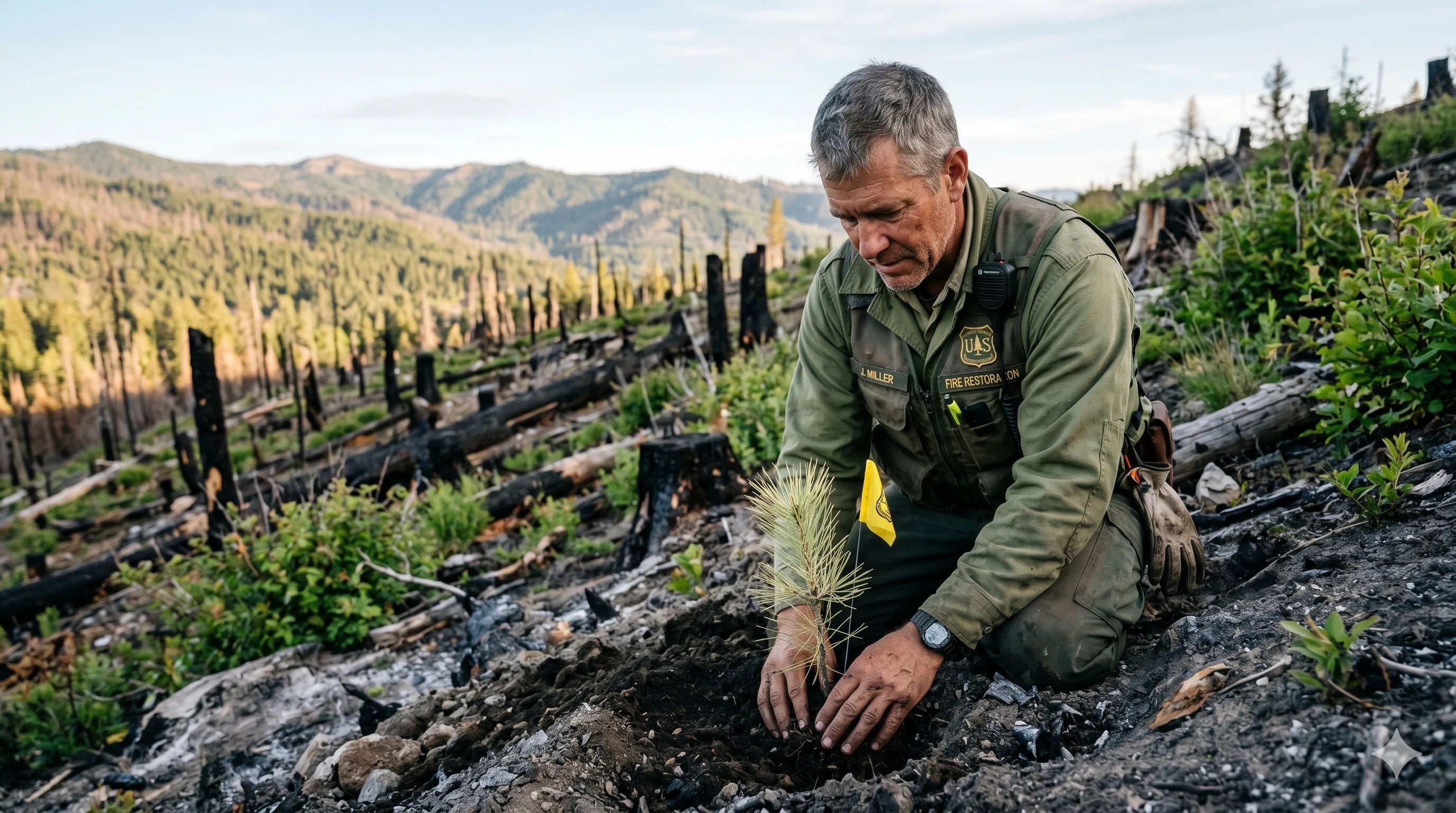 Read More
When someone you love passes away, sympathy flowers offer immediate comfort but fade just as quickly. A memorial tree is different. Planted in their honor, it grows stronger for decades, becoming a living tribute to their impact on the world.
Creating this lasting memorial is a thoughtful process. Each tree is a native species, professionally planted in a U.S. National Forest that needs healing. It’s a gesture that honors your loved one while helping restore landscapes damaged by wildfire, creating a legacy of renewal.
Why Choose a Memorial Tree for a Lasting Legacy?
Planting a tree offers emotional healing during times of grief. Watching something grow and thrive can bring comfort, reminding you that life continues in new forms even after loss.
Memorial trees create a lasting environmental legacy:
-
Forest restoration: Each tree helps restore forests damaged by wildfires and natural disasters
-
Wildlife habitat: Trees provide homes and food sources for birds, insects, and other animals
-
Clean air and water: Growing trees filter pollutants and protect watersheds for future generations
They serve as a lasting, meaningful alternative to traditional sympathy flowers. While bouquets wither quickly, a memorial tree stands as a living reminder of someone's life and the love they inspired.
How Your Memorial Tree Is Planted with Care
When you plant a memorial tree through A Living Tribute, professional foresters handle every detail with care. We ensure every step is handled with care, from selecting the right tree to planting it in a National Forest where it's needed most.
1. Selecting the Right Native Species
Professional planters handle tree species selection based on the forest's specific needs. Native species like ponderosa pine, Douglas-fir, and white spruce are chosen because they naturally thrive in their local environment.
These species support reforestation efforts in areas recovering from wildfires or disease. Native trees adapt better to local conditions and provide the most benefit to wildlife and ecosystems.
2. Planting in Forests That Need It Most
Trees are planted in U.S. National Forests where restoration is needed most. Locations are selected based on ecological priorities identified by the U.S. Forest Service and conservation partners.
Your memorial tree becomes part of a larger effort to heal landscapes damaged by fire. These strategic plantings help restore forest health across wide areas.
3. Preparing the Land for Healthy Growth
Trained planters assess soil conditions, sunlight exposure, and drainage before planting begins. They prepare each site to give saplings the strongest foundation for growth.
This careful preparation helps ensure your memorial tree survives and flourishes for years to come. Site preparation is especially important in areas where fire has damaged soil structure.
4. Ensuring Each Sapling Is Planted with Care
Professional planters position saplings with expert care, ensuring roots have room to spread and establish properly. Contracted professional tree planters work under Forest Service supervision, following proven techniques that maximize survival rates.
For certain community-level projects, volunteers may also assist in the planting efforts. Each tree is planted at the right depth and spacing to support long-term forest health.
5. Nurturing Trees Through Their First Year
Newly planted trees receive appropriate watering and protection during their critical establishment period. Sites are monitored to address any early challenges and give each sapling the best possible start.
This early care significantly improves survival rates in challenging post-fire environments. Professional oversight ensures your tribute has the best chance to thrive.
6. Committing to Long-Term Forest Health
Partner organizations continue monitoring forest health long after planting. Your memorial tree becomes part of a thriving, restored ecosystem that benefits wildlife, watersheds, and communities.
This ongoing stewardship ensures your tribute creates lasting environmental value. Forests are checked regularly to track growth and address any emerging needs.
Personalize Your Tribute with a Heartfelt Message

You can honor loved ones with a personalized certificate that includes their name and a heartfelt message. A Living Tribute provides this commemorative keepsake to share with family and friends.
Some families hold a small ceremony when they receive their certificate, gathering to share memories and reflect on the person being honored. You can also display your certificate in a glass frame, creating a beautiful reminder of your living tribute.
The Lasting Impact of Your Memorial Tree
As your memorial tree matures, it provides increasing environmental benefits. Young trees absorb carbon dioxide, produce oxygen, and begin stabilizing soil to prevent erosion.
Over decades, your tree becomes a habitat for wildlife and contributes to watershed health. It helps filter water and reduce flooding risks in surrounding communities.
The tree also serves as a powerful symbol of renewal and remembrance. Just as forests regenerate after fire, your memorial tree represents hope, healing, and the enduring impact of their life.
Honor a Loved One and Help Forests Heal
When you plant a memorial tree, you create something that grows stronger with each passing season. Your tribute helps restore forests, supports wildlife, and honors someone special in a way that truly lasts.
Every tree planted through A Living Tribute makes a difference for both the land and the people who love it. From the White Mountains to the Rockies, memorial trees are being planted across fire-impacted landscapes to restore what was lost.
Plant a tree in honor or memory of someone and send a personalized card or certificate. Create a living tribute that grows for generations.
How Memorial Tree Planting Works: A Step-by-Step Process
-
-
 Read More
Grief has a way of making the familiar world feel foreign, except for one place that remains unchanged. Finding comfort in nature after loss isn't just a coping strategy; it's an instinct woven into the human experience.
The forest doesn't offer advice or platitudes. It offers presence, and sometimes that's exactly what you need most.
Why We Turn to Nature When We Grieve
When you're grieving, nature offers a quiet kind of companionship that words often can't provide. The cycles you see outdoors mirror the emotional journey of loss and renewal you're experiencing. Let's say you’ve lost a cherished animal companion, consider how a pet memorial tree can support you through grief as a living tribute in their honor. Forests, gardens, and even a single potted plant can become anchors of hope during the hardest days.
Nature doesn't rush you or expect anything in return. It simply exists alongside you, reminding you that life continues in new forms even after profound loss.
How to Find Comfort in Nature While Grieving
Spending time outside can ease the weight of grief in gentle, meaningful ways. These simple practices invite you to reconnect with the world around you while honoring your own pace of healing after loss in nature.
1. Take Gentle Walks Among Trees
Forest therapy for grief involves slow walks through wooded areas where you focus on the present moment rather than overwhelming emotions. Notice the texture of tree bark, the sound of leaves rustling, or the way sunlight filters through branches.
2. Create a Small Memorial Garden
Planting flowers, herbs, or shrubs in memory of someone you love gives you a living space to visit and tend. Choose plants that held meaning for them:
-
Their favorite color or scent
-
Something that blooms during a significant time of year
-
Native species that support local wildlife
You can add personalized stones or markers to make the space feel even more connected to their memory.
3. Practice Mindful Breathing in Fresh Air
Find a quiet outdoor spot and focus on taking slow, deep breaths. Inhale the scent of pine, fresh grass, or rain-soaked earth, and exhale the tension you're carrying.
4. Try Meditation or Yoga Outdoors
Eco-therapy for loss combines movement or stillness with the natural world to deepen your sense of peace. Find a peaceful spot in a park, your backyard, or along a quiet trail where you can stretch, breathe, or simply sit in silence.
5. Invite Symbolic Rituals
Creating small rituals in nature can help you honor your loved one in a personal way. Light a candle at sunset, hang wind chimes that remind you of them, or release flower petals into a stream.
Why Memorial Tree Planting Matters
Dedicating a tree transforms grief into something that grows and endures. A tree planted in someone's memory becomes a lasting memorial, offering comfort each time you think of it taking root and reaching toward the sky.
Tree tributes also contribute to reforestation efforts in U.S. National Forests, helping restore areas damaged by wildfire or disease while providing habitat for wildlife. When you choose this form of eco-friendly sympathy gift, you're creating a legacy that benefits both the earth and future generations.
Journaling and Reflection in Nature
Writing about your outdoor experiences can deepen the nature connection and grief healing process. Try journaling under a favorite tree or writing letters to your loved one while sitting in a garden.
Returning to the same outdoor space regularly creates a rhythm of comfort and continuity. Over time, these visits become part of your healing journey, offering moments of peace whenever you need them.
Create a Lasting Legacy with a Memorial Tree
Memorial tree planting in U.S. National Forests is a lasting way to commemorate someone's life. Unlike flowers that fade, a memorial tree grows for decades, contributing to forest restoration in areas that need it most. For a more enduring tribute, a memorial tree offers a lasting alternative to flowers.
At A Living Tribute, we partner with trusted reforestation organizations to plant trees across the country. Our Memorial Tree Gifting Guide explains how you can create a living tribute while supporting forest restoration. Professional tree planters work under Forest Service supervision to ensure each tree is planted where it will thrive and make the greatest environmental impact.
Each tree planting includes a personalized certificate with your loved one's name and a custom message. You can display this keepsake in a glass frame, creating a meaningful reminder of your tribute.
A Path Toward Renewal
While grief can feel isolating, nature stands ready to support you, offering quiet comfort, gentle reminders of renewal, and space to remember and reflect.
Whether you take a walk among trees, create a memorial garden, or dedicate a living tribute, these acts of connection help you find hope even in the hardest moments. Plant a tree in their memory and create a tribute that grows for generations, linking your love for them with the healing of the natural world.
Finding Comfort in Nature After Loss
-


