


National Forest Reforestation Programs: Where Tribute Trees Take Root
America's forests are living treasures that offer peace, clean air, and a home for wildlife, but many of these cherished landscapes have been scarred by wildfires, disease, and a changing climate. These losses leave behind scarred landscapes that may take centuries to recover without human intervention.
National Forest reforestation programs represent nature's second chance, bringing life back to damaged ecosystems through carefully planned tree planting efforts. These vital initiatives reconnect broken landscapes and ensure our children will inherit forests as magnificent as those we've known.
Why national forests need reforestation
America's national forests cover 193 million acres. They filter drinking water for 180 million Americans, shelter thousands of wildlife species, and store carbon that helps stabilize the climate. They are irreplaceable natural systems that communities have depended on for generations.
But they are under extraordinary pressure. Over 1 million acres of National Forest land currently require active replanting, according to the U.S. Forest Service. Without coordinated reforestation, those acres remain barren, unable to filter water, shelter wildlife, or absorb carbon the way a functioning forest does.
Reforestation programs are the organized response to that gap. They rebuild what has been lost. And a memorial tree planted in a National Forest becomes a direct contribution to that recovery, joining the larger effort to restore landscapes that will stand as lasting natural monuments for generations.
What drives large-scale forest loss
Reforestation programs respond to specific, documented causes of forest loss. Understanding these pressures helps explain both the urgency of the work and why each individual tree matters.
Wildfire is the most visible threat. When fire burns through a forest intensely enough, it can sterilize the soil, destroy the seed bank, and eliminate any possibility of natural recovery. Some areas regenerate on their own given time. Many cannot, and those require active planting.
Climate-related drought weakens trees' natural defenses and makes them more vulnerable to pests and disease. The mountain pine beetle, for example, has killed hundreds of millions of trees across the Rocky Mountains, partly because milder winters no longer limit its population naturally.
Invasive pests and fungal diseases, including sudden oak death and white pine blister rust, spread rapidly in stressed forests. They can decimate entire tree populations across a region within a few years.
Severe weather events, including ice storms, hurricanes, and prolonged drought, compound the cumulative damage. Recovery from multiple overlapping stressors is slow without human-led intervention.
Each memorial tree planted in a National Forest responds directly to these pressures. Seedlings selected for reforestation are chosen specifically to thrive in site conditions shaped by these stressors, and to persist through the climate realities of the decades ahead. To understand how memorial trees address climate-related forest loss, read how memorial trees fight climate change.
How national forest reforestation programs work
National forest reforestation programs are coordinated, multi-year efforts led by the U.S. Forest Service and supported by nonprofit conservation partners to restore damaged forest ecosystems. They combine scientific planning, professional labor, and long-term monitoring to replant areas that cannot recover on their own.
Two primary approaches guide reforestation work.
Active tree planting involves professional crews manually planting native seedlings, or saplings, in areas where natural recovery is not possible. Seedlings are grown in Forest Service nurseries, selected for genetic suitability to each planting site, and transported to the forest for planting at the optimal seasonal window, typically spring or fall when soil conditions give young trees the best start.
Natural regeneration allows forests to recover independently where seed sources remain, soil conditions are intact, and conditions support spontaneous regrowth. Forest managers assess each site to determine which approach is appropriate, and some sites benefit from a combination of both.
Both approaches depend on sustainable forestry practices: careful species selection, soil preparation, erosion control measures, and multi-year monitoring to confirm that seedlings establish and grow.
Memorial trees planted through A Living Tribute become part of this system. Seedlings connected to each tribute are planted by contracted professional tree planters working under the supervision of the U.S. Forest Service, within forests managed according to these principles.
Who leads national forest reforestation efforts
No single organization carries this work alone. National forest reforestation is a collaborative mission involving federal agencies, established nonprofit partners, tribal nations, and researchers, all working toward the same goal of forest recovery.
The U.S. Forest Service manages 193 million acres of National Forests and Grasslands and provides scientific oversight for all reforestation activity within them. The agency sets planting standards, contracts professional planting crews, and monitors long-term recovery across every site.
The National Forest Foundation, the official nonprofit partner of the U.S. Forest Service, coordinates community reforestation programs, raises private funds for seedling production, and manages volunteer planting opportunities. A Living Tribute has partnered with the National Forest Foundation since 2014.
American Forests, the nation's oldest conservation organization, supports large-scale restoration projects and advocates for federal reforestation funding. A Living Tribute is an American Forests Major Partner.
Tribal nations contribute traditional ecological knowledge to reforestation planning, providing insight into how forests functioned before industrial disturbance that no scientific model fully replaces.
Universities and research institutions study seedling genetics, climate adaptation, and long-term survival rates to continuously improve reforestation outcomes.
When families plant memorial trees through A Living Tribute, the contribution supports the seedling production, professional planting operations, and monitoring that these partners depend on. Visit our conservation partnerships page for a full overview of the organizations involved in every planting.
Five steps in a national forest reforestation project
Large-scale reforestation is methodical, multi-year work. Here is how a typical project unfolds from initial assessment to measurable forest recovery.
-
Assess the site. Forest managers evaluate soil health, moisture levels, sun exposure, and climate patterns. They study the historical record to understand what species grew there before and why the forest was lost. This assessment determines whether active planting is warranted or whether natural regeneration is viable.
-
Select native species. Scientists and foresters choose species matched to the site's specific conditions, including current climate and anticipated future changes. Native species are preferred for their wildlife support and natural adaptation to regional soil and weather patterns.
-
Prepare the land. Crews clear debris, remove invasive vegetation that would compete with new seedlings, and address soil conditions where necessary. Erosion control measures are installed on steep slopes before planting begins.
-
Plant the seedlings. Professional crews space seedlings according to scientific guidelines designed to give each tree the soil, light, and moisture it needs to establish. Planting typically occurs in spring or fall, when conditions optimize seedling survival.
-
Monitor and maintain. Forest managers track survival rates, growth, and threats from pests or disease for several years following planting. Areas with low survival are typically replanted. Long-term monitoring extends three to five years or more, helping ensure the investment in each site translates to genuine, lasting forest recovery.
Real forest recovery in action
The urgency of national forest reforestation plays out across specific landscapes that millions of Americans know and love.
The Lake Fire in California's San Bernardino National Forest burned over 31,000 acres in 2020, leaving vast stretches unable to regenerate on their own. Active reforestation efforts are helping restore a landscape that serves as critical habitat and watershed protection for communities throughout Southern California.
Recovery work in the Lake Tahoe Basin following successive severe fire seasons has required planting tens of thousands of native conifers to rebuild forest structure in one of the most ecologically and culturally significant landscapes in the West.
In Arizona and Colorado, ponderosa pine forests devastated by consecutive wildfire seasons are being restored through coordinated planting programs that prioritize fire-resilient, climate-adapted species designed to withstand conditions decades from now.
Each of these recoveries depends on sustained funding, professional expertise, and the cumulative contribution of organizations and individuals who believe forests are worth restoring. Memorial trees planted through A Living Tribute contribute to this work in real forests, at documented planting sites, verified through our partnership with veritree.
For a deeper look at the memorial tree planting process from selection to forest growth, read our complete guide to memorial tree planting.
How you can support national forest reforestation
There are several ways to contribute directly to national forest reforestation.
Plant a memorial tree. The most personal way to support reforestation is to honor someone who has passed away with a tree planted in a U.S. National Forest. Through A Living Tribute, memorial tree planting supports professional reforestation programs through our partnerships with the National Forest Foundation and American Forests. A personalized certificate is included with every tribute, delivered directly to you or to the recipient. Plant a memorial tree in a National Forest and give a tribute that grows with time and meaning.
Recommended Reading
The Blog-
 Read More
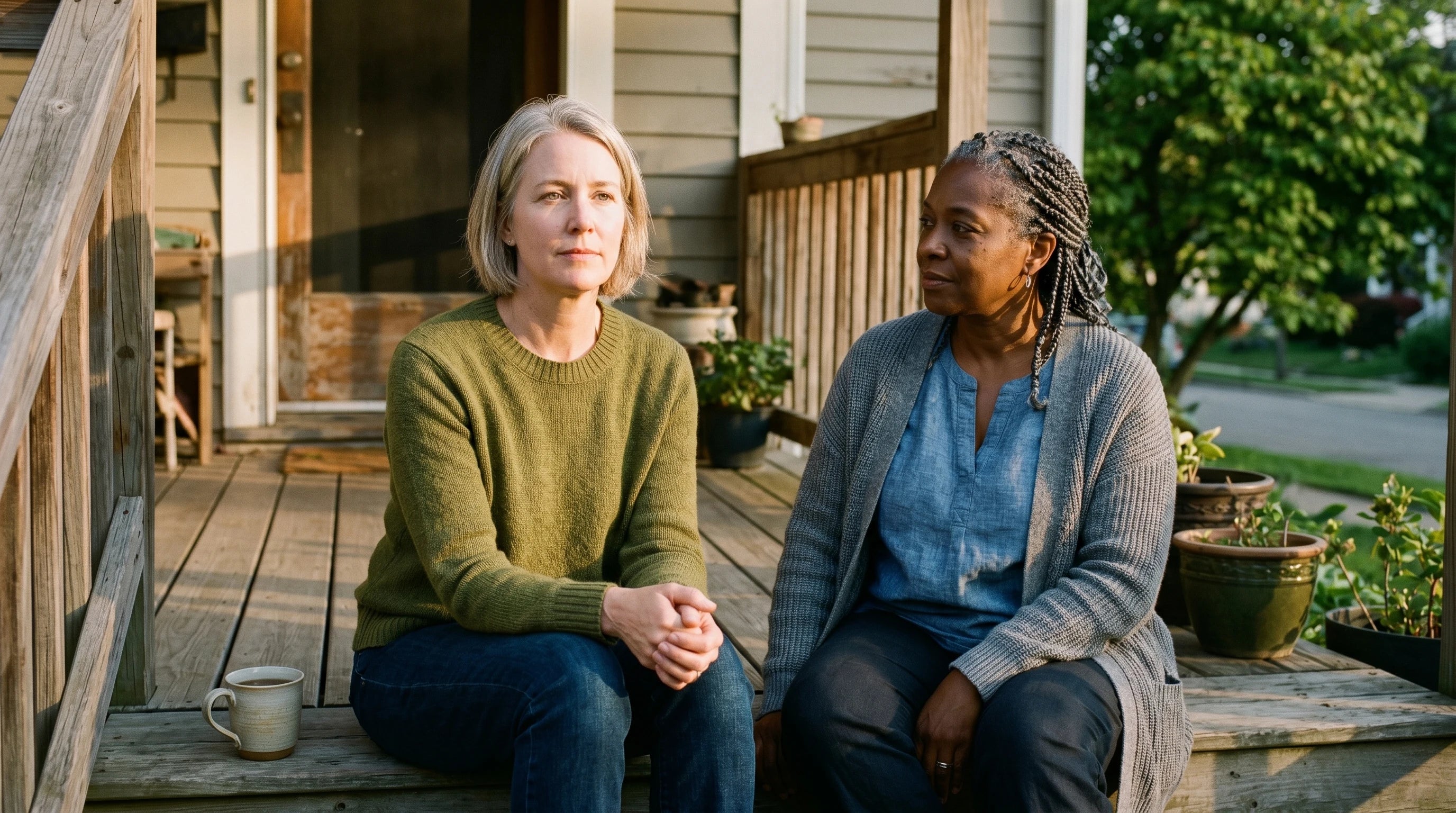
When a friend needs your support during times of loss, the fear of saying the wrong thing can be paralyzing. It might feel safer to stay silent, but your friend needs your support now more than ever. This guide will help you show up for them with confidence and compassion.
For someone who is grieving, the silence of a friend can feel more painful than any awkward words. Remember, your imperfect presence is far more comforting than a perfect absence. It’s about connection, not perfection.
Why Does Your Support Matter to a Grieving Friend?
When someone loses a loved one, they often feel isolated even when surrounded by people. Your presence and support can provide comfort during one of life’s most difficult experiences. Showing up imperfectly is always better than staying away out of fear.
How Can You Reach Out When a Friend Is Grieving?
Many people hesitate to reach out because they don’t know what to say. The truth is, your friend needs to hear from you even if your words aren’t perfect.
Start with a simple message
Send a text or note that acknowledges their loss without expecting a response. A message like "Thinking of you today" or "I’m so sorry" shows you care without adding pressure.
Call when you are close to them
If you share a close relationship, hearing a familiar voice can bring comfort. A phone call feels more personal than a text and allows them to talk if they need to.
Show up when words feel impossible
Physical presence communicates care when language fails. Bring a meal, sit quietly in their living room, or simply be nearby without needing to fill the silence.
What Are Some Comforting Things to Say?
Sincerity matters far more than eloquence when helping a grieving friend. These phrases acknowledge pain without trying to minimize it:
-
"I’m so sorry for your loss": This simple statement validates what they’re experiencing without offering false comfort.
-
"I’m here for you": Offering ongoing support gives them permission to reach out when ready.
-
"Tell me about them": Inviting them to share memories honors the person who died and shows they won’t be forgotten.
-
"It’s okay to feel however you’re feeling": Grief includes anger, guilt, and numbness alongside sadness.
-
"I don’t know what to say, but I care": Honest vulnerability shows genuine care and removes the pressure to have perfect words.
What Should You Avoid Saying to a Bereaved Friend?
Well-meaning phrases can unintentionally hurt when they minimize pain or make assumptions. Avoid these common statements when supporting a grieving friend:
-
"I know exactly how you feel": Each grief journey is unique to the person and relationship.
-
"They’re in a better place": Statements about faith may not align with your friend’s beliefs and can feel invalidating.
-
"At least they lived a long life": Loss is painful regardless of the person’s age.
-
"You need to stay strong": This pressures people to suppress emotions when they need to express them.
-
"Everything happens for a reason": This can feel like their pain is being rationalized away.
What Are Some Practical Ways to Help?
Concrete actions often mean more than words, especially in the overwhelming early days of loss.
Offer specific help instead of waiting to be asked
Instead of saying, "Let me know if you need anything," it’s more helpful to make specific offers.
Try these specific offers:
-
"I’m bringing dinner Tuesday at 6"
-
"I’ll pick up the kids from school this week"
-
"I’m going to the grocery store. What can I bring you?"
Take care of errands and daily tasks
Everyday tasks can become overwhelming during grief. Offer to help with specific chores like:
-
Doing laundry or washing dishes
-
Walking their dog
-
Cooking a dinner for the family
-
Driving children to activities
-
Mowing the lawn or tidying up the house
Bring meals or arrange food delivery
Nourishment is often forgotten during grief, but eating regularly helps maintain physical health. Coordinate with others to spread out meal deliveries rather than overwhelming them with food on one day.
Help with funeral or memorial planning
Offer to make phone calls, print programs, or handle other logistics. Managing these details while grieving feels impossible.
Show up consistently over time
Support is needed long after the funeral ends. Mark your calendar to check in at regular intervals over the coming weeks and months.
How Can You Be Present Without Saying Much?
Sometimes a friend who is grieving needs companionship without conversation.
Sit with them in comfortable silence
Simply being in the same room provides comfort without requiring words. Your presence reminds them they’re not alone.
Listen without trying to fix anything
Resist the urge to problem-solve or offer solutions. Their grief doesn’t need fixing; it needs witnessing.
Let them lead every conversation
Some days they may want to talk about their loved one, and other days they may need distraction. Follow their cues and let them guide what feels right.
What Are Some Meaningful Ways to Show Sympathy?
Thoughtful gifts can express sympathy when words fall short. Lasting gestures often mean more than temporary ones.
Memorial trees planted in their loved one’s honor
A memorial tree creates a living legacy that grows for generations. Trees planted through A Living Tribute grow in U.S. National Forests through partnerships with the U.S. Forest Service and trusted reforestation organizations.
Each tribute includes a personalized certificate with custom names and messages that can be mailed or delivered electronically. This eco-conscious alternative to flowers honors someone’s memory while helping restore forests.
Personalized sympathy cards and keepsakes
Items with the deceased’s name or a meaningful message become treasured reminders. Certificates can be displayed in glass frames as lasting keepsakes that honor their loved one.
Donations to a cause they cared about
Making a charitable donation in the deceased’s name to an organization they supported honors their values. This creates positive impact from loss.
Comfort items for everyday life
Cozy blankets, journals for processing emotions, or meal delivery subscriptions provide practical comfort during difficult days.
How Can You Offer Long-Term Support?
Grief doesn’t end after the funeral, and many people feel most alone weeks and months later when others have moved on.
Keep checking in after the funeral
The weeks and months following the service are often the loneliest. Set calendar reminders to reach out regularly with calls, texts, or visits.
Remember birthdays and anniversaries
Acknowledging significant dates shows ongoing care. The deceased’s birthday, death anniversary, and holidays can be especially difficult times when your support matters most.
Speak their loved one’s name
Grieving people often fear their loved one will be forgotten. Saying the person’s name and sharing memories brings comfort and keeps their legacy alive.
A Living Tribute That Grows for Generations
Supporting someone who is grieving means showing up with presence, patience, and meaningful gestures that last. When you plant a memorial tree through A Living Tribute, you create a living tribute that honors someone’s memory while helping the environment heal.
Each tree is planted in a U.S. National Forest by professional tree planters working under the supervision of the Forest Service and our nonprofit partners. Your personalized certificate arrives with the recipient’s name and a custom message, offering comfort that grows stronger with time.
Create a living tribute that grows for generations.
Meaningful Gestures That Matter When a Friend is Grieving
-
-
 Read More
For a veterinary practice, the hardest moments often come after the medical care ends. When a beloved pet passes away, extending compassion can feel challenging. A sympathy card is a kind gesture, but many clinics want to offer something more meaningful.
Pet memorial partnerships provide a way to do just that. By partnering with a memorial provider, your clinic can offer lasting tributes that honor the unique bond between pets and their families, providing comfort long after their final visit.
Key Benefits for Your Veterinary Practice
-
Extend compassionate care beyond medical treatment.
-
Strengthen client loyalty and build lasting trust.
-
Differentiate your practice with a values-driven service.
-
Offer a simple, meaningful tribute with minimal effort for your team.
What is a Veterinary Pet Memorial Partnership?
Veterinary pet memorial partnership programs are formal arrangements between veterinary practices and memorial providers that allow clinics to offer meaningful tributes to clients who have lost pets. These partnerships give veterinary teams a compassionate way to support grieving pet owners beyond medical care, creating lasting remembrances that honor the bond between pets and their families.
Why Should Your Practice Offer Pet Memorials?
When a beloved pet passes, families often feel a profound sense of loss that deserves acknowledgment and care. Offering a pet memorial service is an emotionally important way for veterinary practices to honor the human-animal bond and support their community.
Supporting Grieving Pet Owners With Compassion
Memorial programs help veterinary staff acknowledge the deep connection between pets and their families. A thoughtful gesture like planting a tree or creating a personalized tribute shows families that their grief is seen and respected.
Strengthening Long-Term Client Relationships
Offering meaningful gestures like a memorial tribute builds trust and loyalty with clients. Families remember the kindness shown during their hardest moments, often deepening their connection to the practice for years to come.
Differentiating Your Veterinary Practice
Memorial partnerships set a practice apart by demonstrating a commitment to values-driven, compassionate care. In a field where many clinics offer similar medical services, a thoughtful memorial program can become a defining feature that honors pets as the cherished family members they are.
What Memorial Options Can You Offer Clients?
Veterinary practices can choose from several memorial program types to find the best fit for their clinic and clients:
Memorial Tree Planting Programs
Memorial tree planting programs create living tributes that grow for generations. Organizations like A Living Tribute plant memorial trees in U.S. National Forests through trusted reforestation partnerships, offering an eco-friendly, lasting alternative to sympathy flowers. Families receive a personalized certificate with their pet's name and a custom message to commemorate the tribute.
University and Academic Memorial Programs
University and academic memorial programs are donation-based partnerships through veterinary colleges. These programs appeal to clients who want to support the future of animal care while honoring their pet.
Donation-Based Memorial Funds
Through donation-based memorial funds, memorial gifts support causes like animal welfare organizations or pet loss support services. Many clients find comfort in knowing their pet's memory contributes to helping other animals in need.
Traditional Memorial Products and Keepsakes
Some partners offer physical memorial items, including cremation services and paw print keepsakes. These tangible remembrances provide families with something they can hold or display at home.
How Do Pet Memorial Partnerships Work?
Getting started with a pet memorial partnership is a simple and supportive process for your vet clinic:
1. Choose Your Partner and Enroll
Getting started is as simple as choosing a memorial provider that aligns with your clinic's values. Enrollment typically involves a quick online application to establish your partnership.
2. Receive Your Welcome Kit and Resources
After enrolling, you'll receive everything you need to get started, including client brochures, communication guides, and other educational materials to help your team introduce the program with confidence and compassion.
3. Offer Memorial Options During End-of-Life Conversations
Veterinary teams can introduce memorial options with sensitivity during end-of-life conversations, either before or after a pet's passing. The key is to present the option gently, allowing families to choose what feels right for them.
4. Create Personalized Tributes for Grieving Clients
Tributes are customized with the pet's name, a personal message, and other meaningful details. Families receive a personalized certificate that arrives by mail or email, serving as a lasting reminder of their pet's life and the love they shared.

Why Choose a Memorial Tree Program for Your Veterinary Clinic?
Memorial tree planting programs combine emotional significance with environmental impact, creating tributes that heal both hearts and forests.
Eco-Friendly Alternative to Sympathy Flowers
Unlike sympathy flowers that wilt and are discarded, memorial trees contribute to sustainability through reforestation efforts in U.S. National Forests. Each tree planted helps restore ecosystems damaged by wildfire, disease, or deforestation. This eco-conscious approach resonates with clients who value sustainability and want their tribute to make a lasting difference.
Lasting Tributes That Grow for Generations
A tree creates a living legacy that endures for generations, serving as a powerful tribute. While flowers fade within days, a memorial tree can stand for decades, offering a sense of permanence and renewal.
Simple Process for Busy Veterinary Teams
The process is designed for busy veterinary teams, with easy online ordering and minimal paperwork. Most programs handle all the details, from planting coordination to certificate delivery, allowing your staff to focus on patient care.
What Resources Do Memorial Programs Provide?
Quality memorial programs provide support materials to help partner practices implement the service successfully:
-
Client Communication Templates: Proven language and scripts help staff discuss memorial options with compassion and confidence during sensitive conversations.
-
Educational Materials: Brochures about pet loss and grief validate the depth of pet loss and offer guidance on coping.
-
Personalized Certificates: Certificate options often include framed displays that serve as beautiful keepsakes for pet owners to display at home.
Organizations like A Living Tribute offer certificates with glass frame displays that honor a pet's memory with dignity and care.
How Can You Start a Pet Memorial Partnership?
Getting started with a pet memorial partnership is a simple process that can begin today.
1. Choose a Memorial Program That Reflects Your Values
Select a memorial partner whose program aligns with your practice's commitment to compassion, client care, and sustainability. Consider what matters most to your clients and your team when evaluating options.
2. Train Your Team on Compassionate Memorial Conversations
Prepare your staff to discuss memorial options with the sensitivity and empathy required during end-of-life care. Role-playing conversations and reviewing communication templates can help your team feel more comfortable presenting these options naturally.
3. Integrate Memorial Options Into Your End-of-Life Services
Incorporate the memorial offering naturally into your existing euthanasia and aftercare protocols. This might mean adding a mention of memorial options to your end-of-life care checklist or including information in sympathy cards.
How Do Living Tributes Honor Beloved Pets?
Creating a lasting tribute for a beloved pet can be a powerful part of the healing process for a grieving family. A Living Tribute's memorial tree program offers a meaningful option for veterinary partners looking to provide this compassionate service.
When you plant a tree in honor or memory of a beloved pet, you create a living legacy that restores forests and brings comfort to those who are grieving. Plant a tree in their memory and help forests heal for generations to come.
How Vets Can Support Grieving Clients with Pet Memorial Partnerships
-
-
 Read More
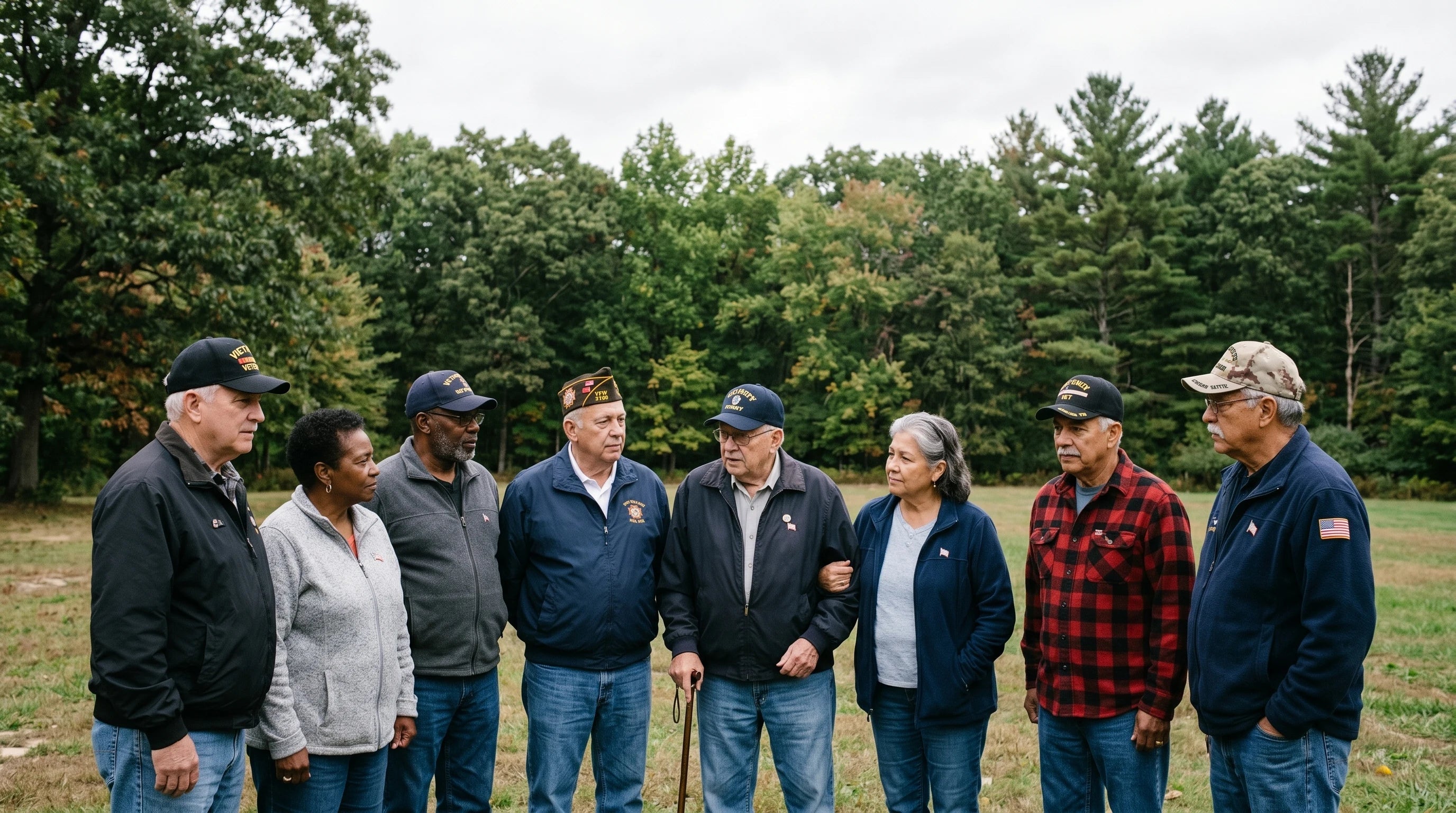
Memorial Day tree planting offers one of the most lasting ways to honor a veteran or fallen hero. A tree planted in a U.S. National Forest grows for generations, placing a person's legacy in the land they gave their lives to defend.
Memorial Day asks something of us. It asks us to stop in the middle of an ordinary week and remember that the freedoms we carry were not free. For Gold Star families, for veterans who served alongside those who did not come home, for friends and communities touched by military loss, that weight is not something a fleeting gesture can hold.
But some gestures come closer than others.
A living tribute, planted in soil that federal foresters tend and protect, growing stronger with each passing season, gives something that words cannot. This guide explores how to honor veterans and fallen heroes with memorial tree planting, why national forest planting carries a meaning no other tribute quite reaches, and other thoughtful ways to mark the service of those who gave everything.

Key Takeaways:
-
Memorial Day tree planting places a living tribute in U.S. National Forests, honoring veterans by helping restore the very land they swore to protect
-
A Living Tribute plants trees through partnerships with the U.S. Forest Service, the National Forest Foundation, and American Forests, making every tribute a verified contribution to reforestation
-
A personalized commemorative certificate can be sent directly to the veteran's family, even from across the country or around the world
-
Trees can be planted individually or as group tributes by organizations, veterans posts, and communities honoring shared loss
-
Other meaningful ways to honor veterans include attending ceremonies, writing to Gold Star families, and observing the National Moment of Remembrance at 3 p.m. on Memorial Day
Why a memorial tree is a fitting tribute to a fallen hero
Memorial day tree planting honors someone who has passed away by placing a living, growing tribute in the landscape they spent their life serving. Unlike flowers that fade quickly, a tree grows stronger with each passing season. Decades from now, the shade it provides and the wildlife it shelters will still carry the weight of what was given.
There is something particular about planting in a U.S. National Forest. These are not private lands or symbolic gardens. They are federally protected landscapes, managed by the U.S. Forest Service, covering over 193 million acres of the country those armed force members swore to defend. To honor a fallen hero by helping restore the national forests that define this country is to give something back to the land itself.
A living tribute planted in these forests does not require a plaque or a physical marker. The forest grows on its own. The trees tend to one another. And somewhere in that canopy, the tribute endures, year after year, season after season, long after any ceremony has passed.
When Margaret lost her son to combat, she wanted something that would still be growing on the next anniversary, and the one after that. She had received flowers, cards, and condolences. None of them lasted the month. She planted a tree in a national forest in the state where he had grown up, and when the certificate arrived, his name was on it. The forest, she said, felt right. He had always loved wild places.
Planting a tree in U.S. National Forests: what it means for a veterans tribute
Through A Living Tribute, trees planted in memory or in honor of a veteran are placed in U.S. National Forests through verified partnerships with the U.S. Forest Service, the National Forest Foundation (a partner since 2014), and American Forests. These are not symbolic gestures. Trees are planted by contracted professional crews, maintained for three to five years after planting, and placed in areas recovering from wildfire, disease, or other natural disturbances.
Over one million acres of National Forest land currently need replanting. Every tree planted through A Living Tribute helps address that need while permanently honoring the person in whose memory it grows. The tribute does two things at once: it honors a life that mattered, and it restores the forests of the country that life was given to protect.
The recipient, whether a Gold Star family, a spouse, or a close friend, receives a personalized commemorative certificate with the veteran's name, a custom message, and details about the planting. It can be sent digitally for immediate delivery or mailed as a keepsake card on heavy card stock. Someone honoring a fallen servicemember from across the country can send a meaningful tribute directly to the family without needing to be present.
Plant a tree in honor of a veteran in a U.S. National Forest, and the tribute reaches further than any flower arrangement ever could.
Other thoughtful ways to honor veterans and fallen heroes on Memorial Day
Memorial Day tree planting is not the only way to honor those who served. These additional gestures, simple and meaningful in their own right, create a fuller picture of remembrance. Together, they give shape to a day that deserves more than a moment.
Attend or organize a ceremony
Community memorial services, parades, and wreath-laying ceremonies offer shared spaces of public recognition. If there is no local ceremony, organizing a small gathering with neighbors, veterans, or a community group gives others a place to come together in honor.
Write to a Gold Star family
A handwritten letter, a card, or a personal note to the family of a fallen servicemember acknowledges the loss in a direct and human way. For families who receive few gestures of remembrance in the years that follow a loss, a thoughtful letter carries real weight. You do not need the right words. You only need to show up on the page.
Support a veterans organization
Organizations like the Wounded Warrior Project, the American Legion, and the VFW provide ongoing support to veterans and their families. Donating, volunteering, or simply acknowledging their work on Memorial Day extends the meaning of the day beyond a single gesture.
Visit a national cemetery or veterans memorial
Arlington National Cemetery, the Vietnam Veterans Memorial, and local memorial sites offer places of reflection. The act of showing up, of standing in silence before names and headstones, is itself a form of tribute. Over 250,000 military graves rest at Arlington, marked each Memorial Day with small American flags placed by soldiers of the 3rd U.S. Infantry Regiment. The visit does not need to be elaborate. It only needs to be made.
Observe the National Moment of Remembrance
At 3 p.m. local time on Memorial Day, Americans are invited to pause for one minute of silence in honor of those who gave their lives in service. It is a simple, inclusive act that requires nothing but the willingness to stop and remember.
Each of these tributes honors someone's service in its own way. A living tree, planted through a national forest, adds something the others cannot: a tribute that endures and grows long after the day has passed. Consider pairing a tree planting with another gesture, as an anchor that will still be growing when the ceremonies are over.
What trees symbolize in the context of military service
Trees have carried symbolic meaning in memorial traditions across cultures and centuries. In the context of honoring veterans, certain qualities speak directly to the nature of service itself.
Oak trees represent strength, endurance, and resilience. An oak that weathers decades of storms and grows more deeply rooted over time is a fitting image for the steadfastness of those who served.
Evergreens, present through every season, represent faithfulness and enduring memory. Their unchanging presence through winter has long been associated with life that does not fade, loyalty that does not waver.
Maples and native hardwoods planted in forests recovering from fire or disease carry their own meaning: restoration, renewal, and the ongoing work of rebuilding something worth protecting.
A Living Tribute works with forestry partners to select the best native species for each planting site, based on local ecology and what the forest needs most. Species selection is guided by professional foresters, not product preference, ensuring the highest survival rates and the greatest ecological benefit. The right tree in the right place, tended by professionals, is itself an act of care that mirrors the commitment of those being honored.
How to send a memorial tree tribute for a veteran
Sending a memorial tree tribute for a veteran takes only a few minutes. The entire process is online, which makes it accessible for anyone honoring a military warfighter from across the country or around the world.
Here is how the process works:
-
Choose your tribute. Select a living tribute in honor or memory from A Living Tribute's collection of memorial tree sympathy gifts.
-
Personalize the certificate. Add the veteran's name, their branch of service if you like, and a personal message that reflects what they meant to you or to the family receiving the tribute.
-
Choose delivery. Send a digital certificate by email for immediate delivery, or have a personalized commemorative card mailed directly to the recipient's address.
-
The tree is planted. Trees are typically planted during spring and fall planting windows in U.S. National Forests where reforestation is most needed, under the supervision of the Forest Service and partner conservation organizations.
To learn more about how the process works from planting to certificate delivery, see the complete guide to memorial tree planting.
Honor a veteran's memory this Memorial Day. Plant a tree in their name, in the forests of the country they loved.
Honoring veterans together: community and group tributes
Some losses belong to more than one person. A unit that lost a member. A community that sent its young men and women to war and did not welcome all of them home. A veterans post that gathers each year to remember those who are no longer at the table.
Group memorial tree planting allows organizations, companies, and community groups to plant trees collectively, each participant receiving their own certificate honoring the same person or a shared loss. An American Legion post, a workplace, a congregation, or a school group can plant trees together in tribute to veterans who shaped their community.
Each contributor receives a personalized certificate. These can be sent directly to individual participants or delivered to a single organizer to share at a memorial gathering. For organizations honoring multiple service members or planning a larger program, our conservation partnerships support group planting at any scale.
Frequently asked questions about Memorial Day tree planting for veterans
Question: How do I plant a tree in memory of a veteran?
Answer: You can plant a tree in a U.S. National Forest in memory of a veteran through A Living Tribute. Choose a tribute, personalize the certificate with the veteran's name and a personal message, and select whether to deliver it digitally or by mailed card. Trees are planted by contracted professional crews working with the U.S. Forest Service and partner conservation organizations.
Question: Can I plant a tree in a national forest in someone's honor?
Answer: Yes. A Living Tribute plants trees in U.S. National Forests through verified partnerships with the U.S. Forest Service and the National Forest Foundation. Trees are placed in areas where reforestation is most needed and are cared for by professional foresters for three to five years after planting.
Question: What is a good memorial tree tribute for a fallen soldier?
Answer: A personalized tribute that includes the service member's name, a custom message, and a certificate delivered to the family is a meaningful choice. A Living Tribute's commemorative cards can be mailed directly to the recipient, including Gold Star families, from anywhere in the country.
Question: When should I order a Memorial Day tree tribute?
Answer: Trees are planted at the optimal time for each forest, typically during spring and fall planting seasons. Certificates and tributes can be sent at any time and arrive independently of the planting schedule. Sending a tribute in early May helps ensure the certificate arrives in time for Memorial Day.
Some losses cannot be answered. They can only be honored.
Memorial Day tree planting gives us a way to do that in a form that grows. A tree planted in a U.S. National Forest in memory of a veteran stands in soil those service members protected. It grows quietly, season after season, in forests that will endure long after any ceremony has ended.
The tree does not need a marker. It does not need to be visited. It simply grows, as lasting things do, rooted in the same land that was worth everything to the people who defended it.
Plant a tree in a veteran's memory this Memorial Day. Honor a life that mattered. And help restore the forests of the country they loved.
Memorial Day Tree Planting: Honoring Veterans and Fallen Heroes With Living Tributes
-
